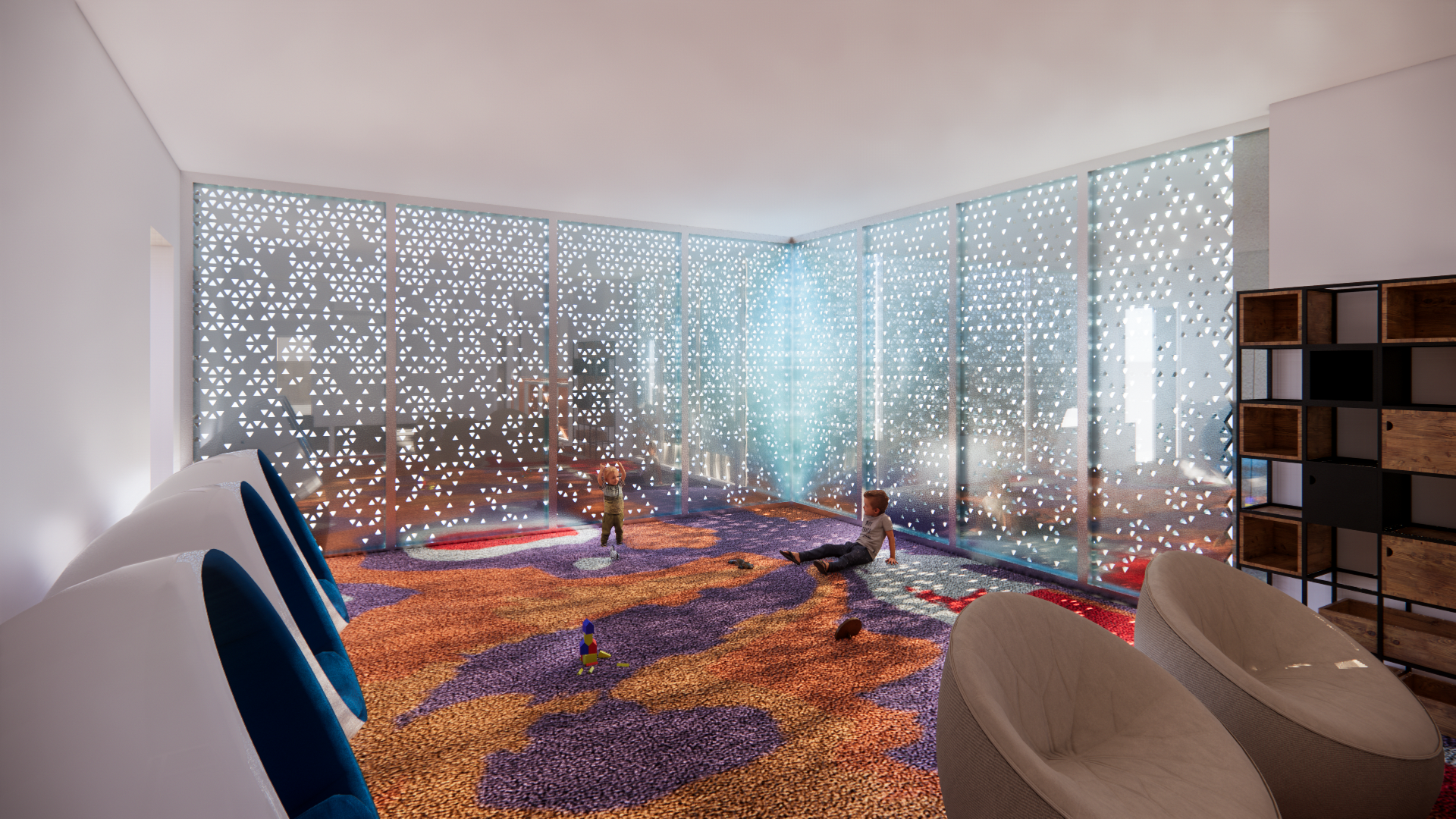


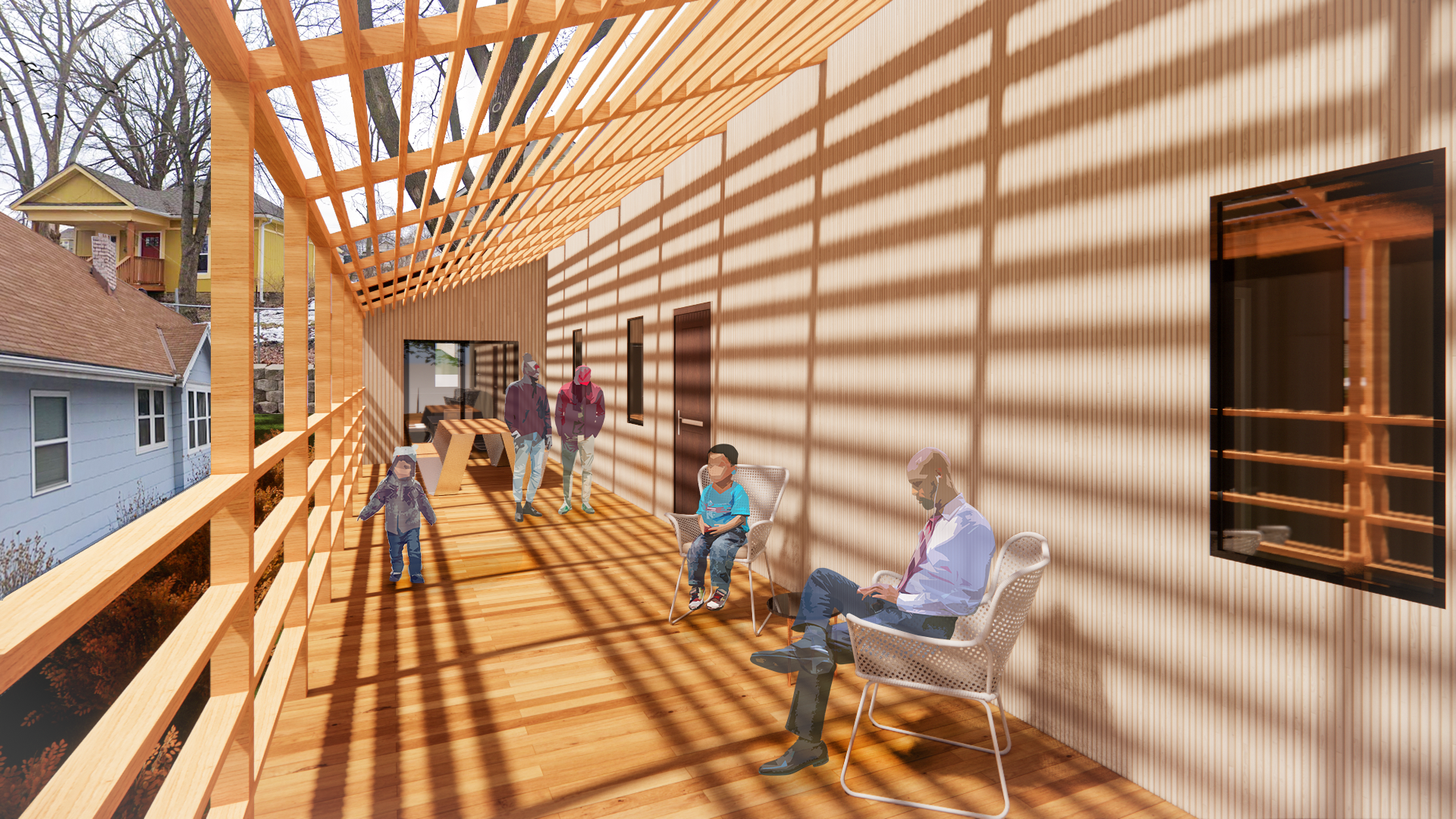
Back Patio
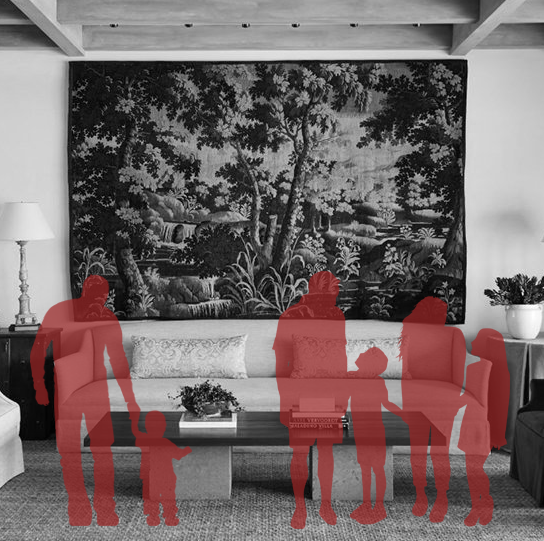
The Comfort of a Home
Designing the modern identity of an ideal home is realized through the integration of intimate spaces in order to create convince and privacy for the users' overall comfort. Comfort is a verbal invention that is difficult to describe by anything other than qualitative information. Creating the true sense of “home” from the house requires a foundation of comfort for the users of the space to facilitate the opportunities for memories and experiences to enhance the house into a “home.” The home must be able to serve modern activities with modern amenities through modern scaled rooms. Technological and cultural development has led to a change in the complex conceptual understanding of comfort within the home. There are many key features required to create a functional home; convenience, efficiency, leisure, ease, pleasure, domesticity, intimacy, and privacy. All of these key features of a home create the luxury of comfort for the user by avoiding discomfort. While modern homes have focused on more intimate spaces, the concept of comfort within a house must allow for flexibility in order to serve differing perspectives on what the user’s home should be. Ultimately, the overall comfort for the users experiencing the space will not have a qualitative definition as comfort is based on human experience and emotions, and requires unique flexibility to create the coziness of a home.
The Net Positive Studio is a unique studio offered during 4th-year in the architecture department at Kansas State University. As a studio, we partner with local non-profit organizations in the area and offer our design services for no cost. Our group partnered with the Mattie Rhodes Center in Kansas City. The goal of the studio is to showcase how affordable housing can be not only cost-effective but also good design and even net-zero to help minimize living costs for the resident. Our group's focus was on the region of Northeast Kansas City. The group did very extensive research into understanding our client's homes as much as we could to better serve them through the built environment.
Research
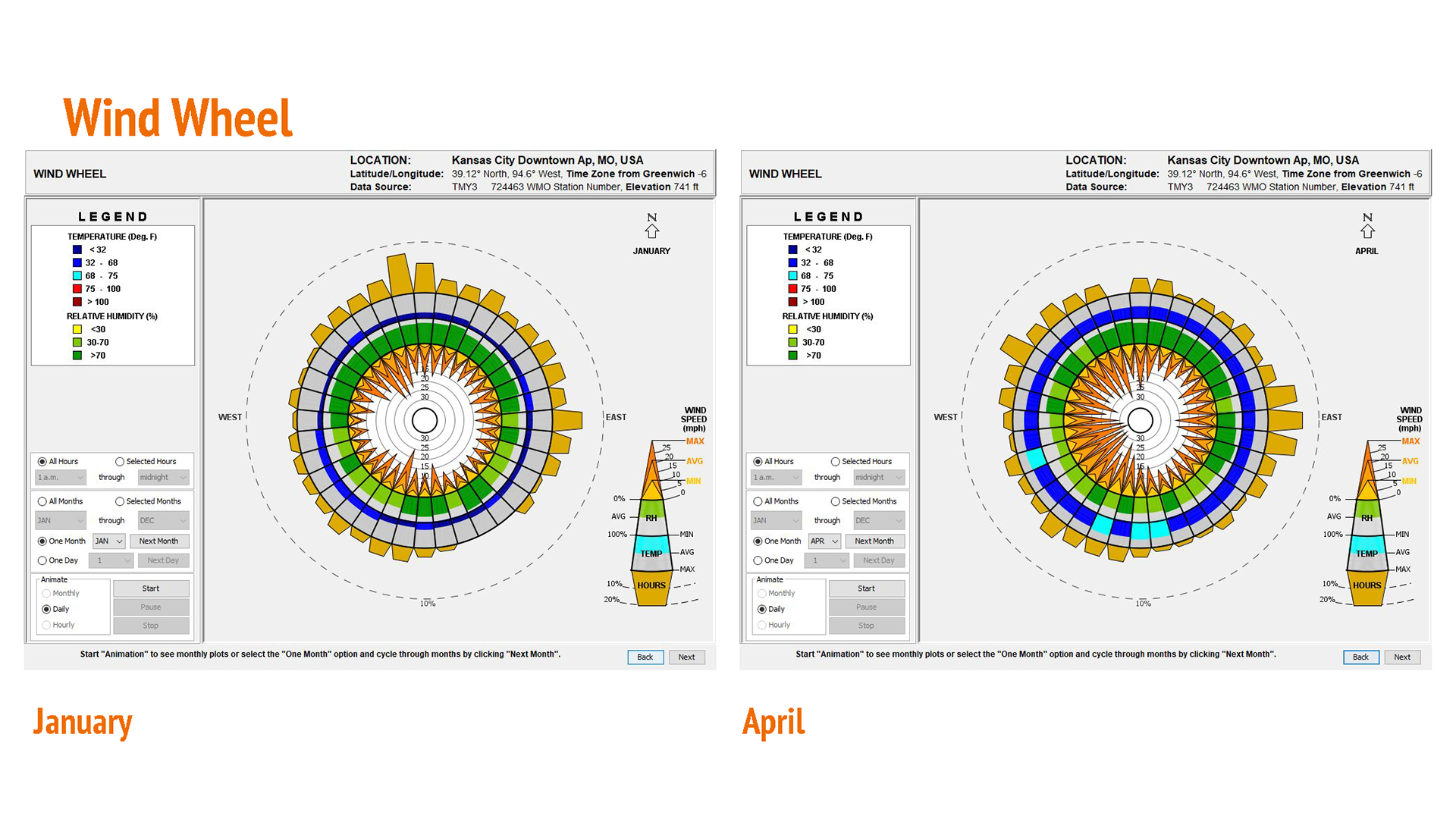
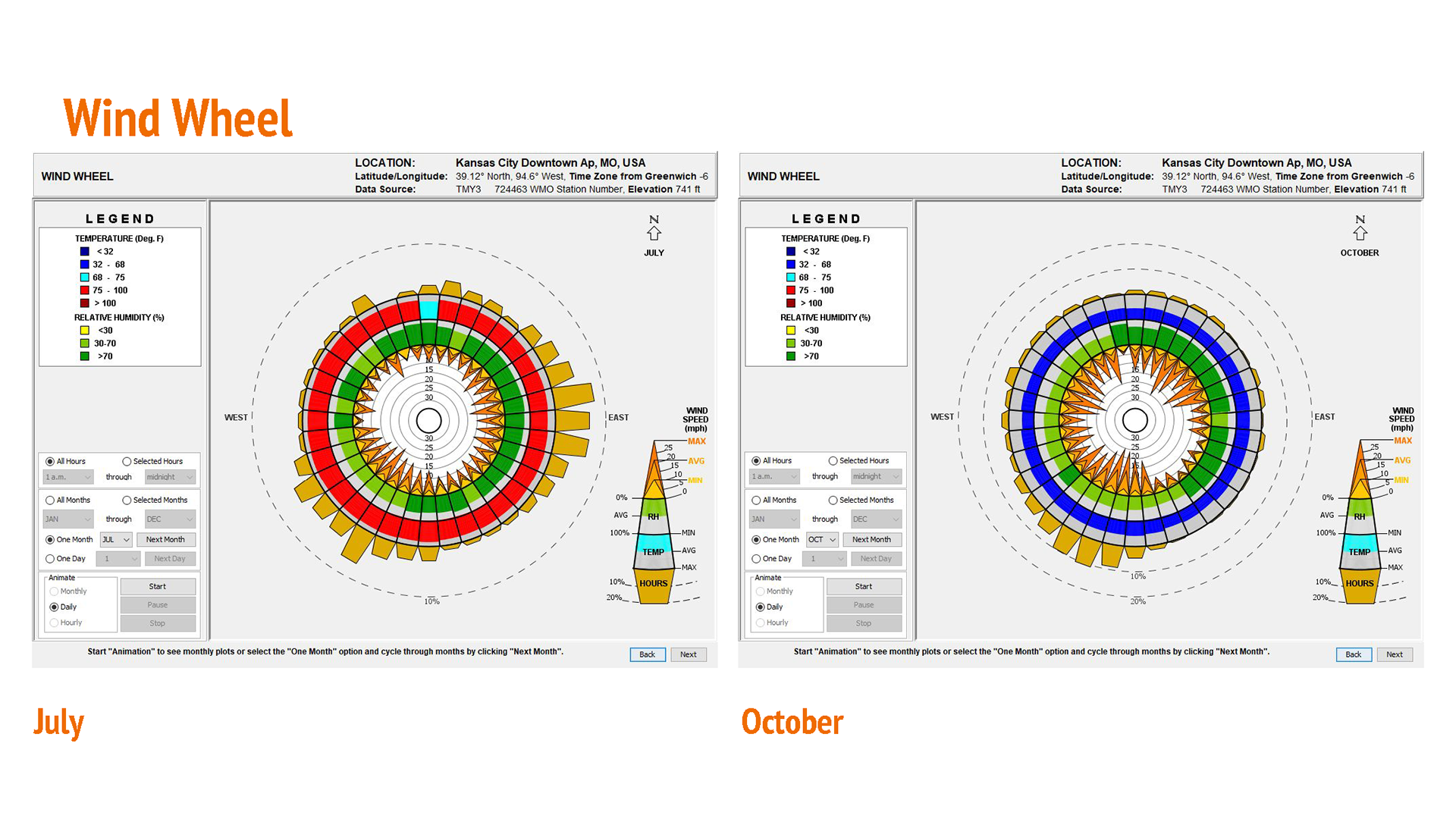
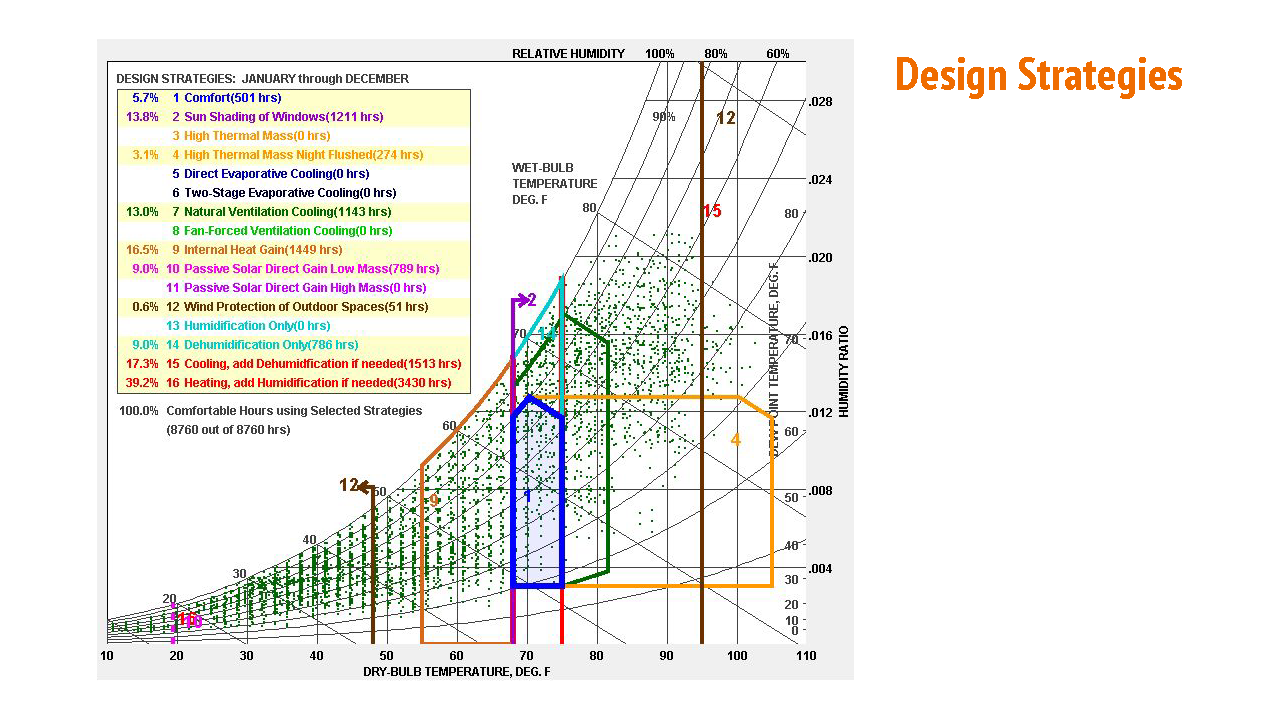
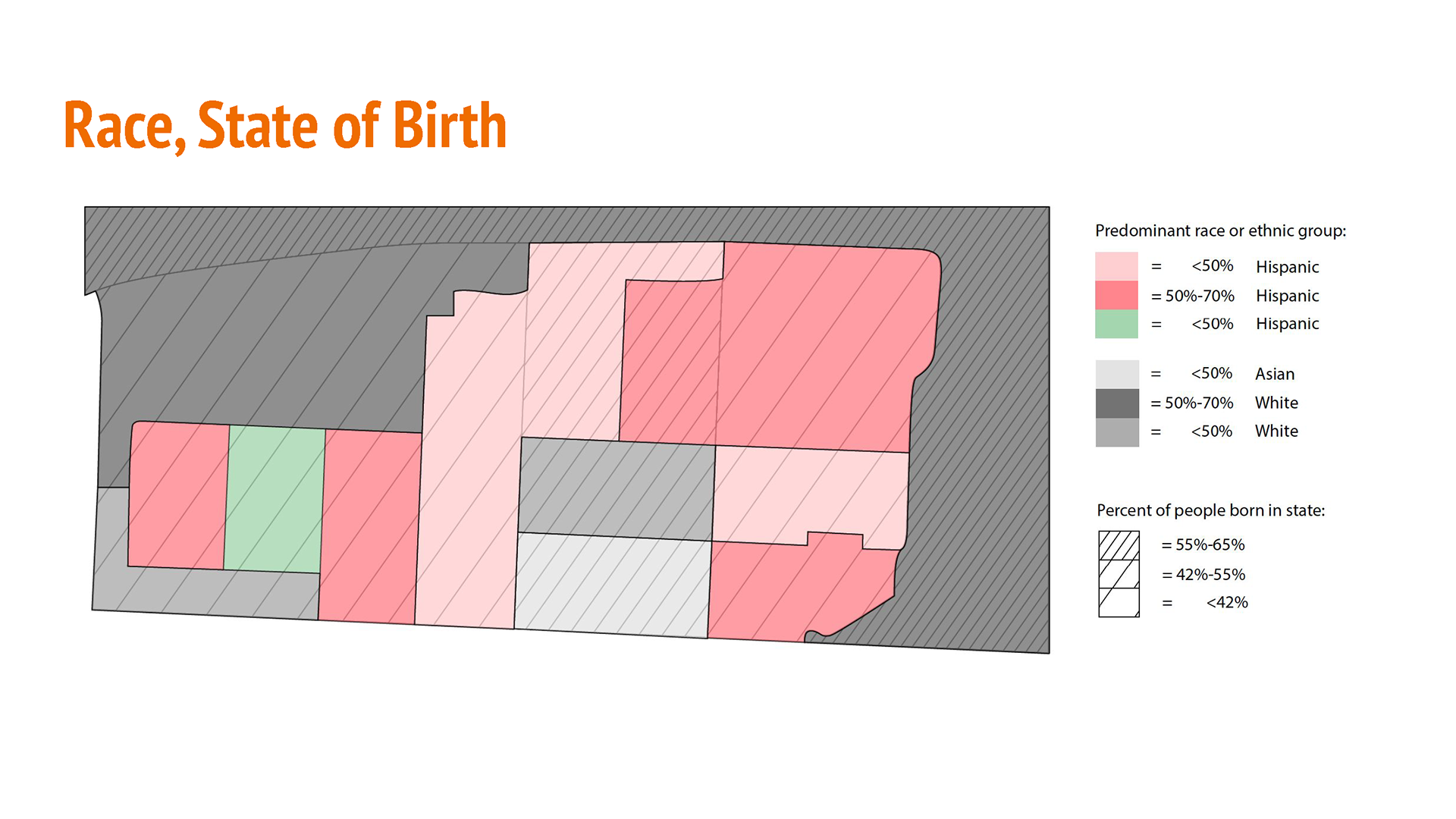
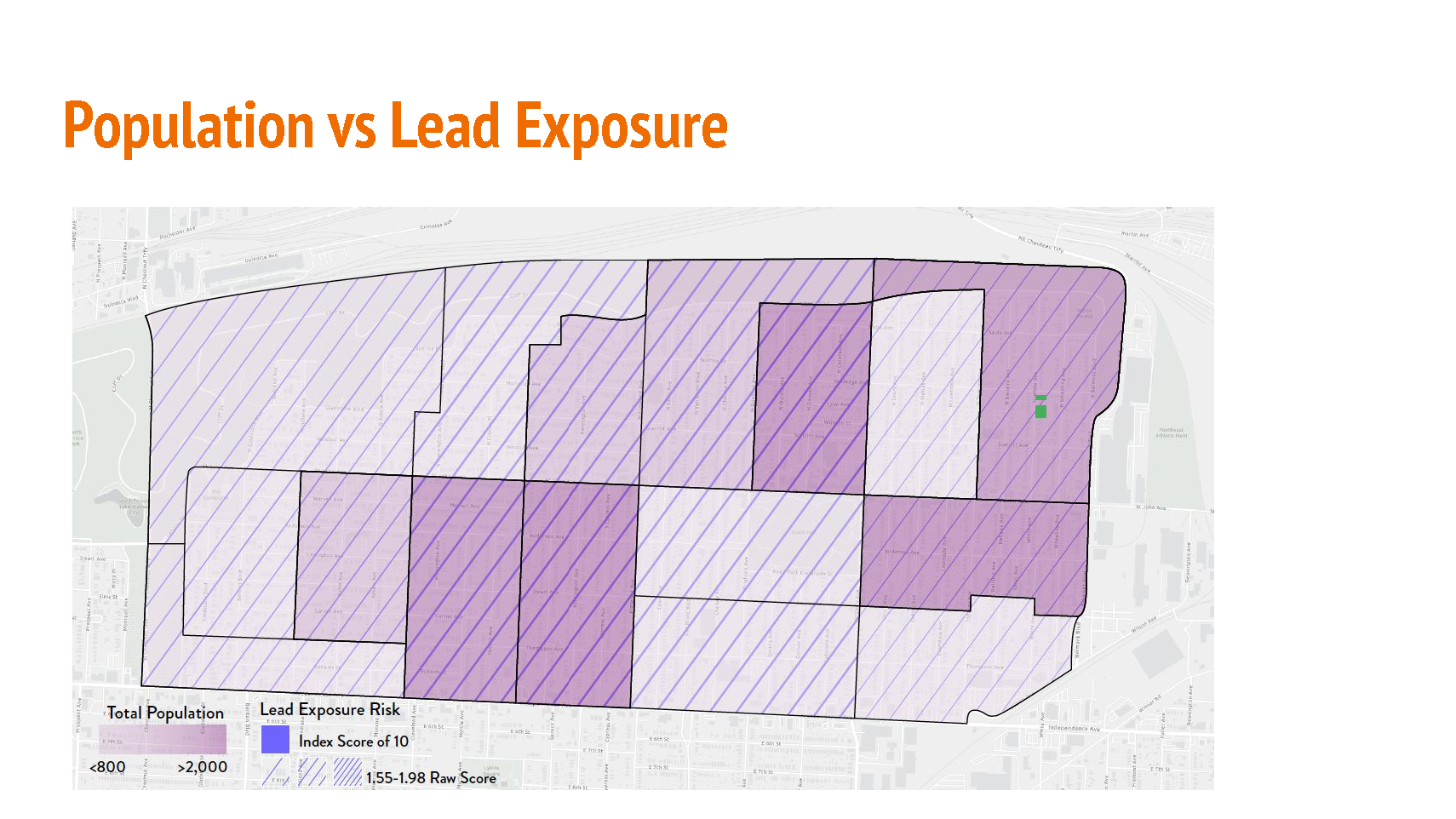
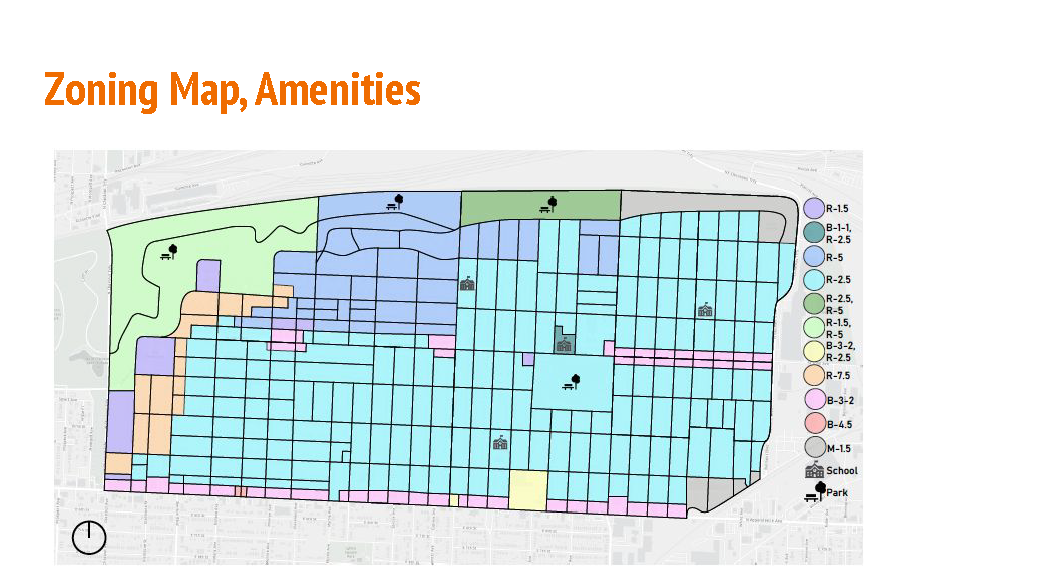
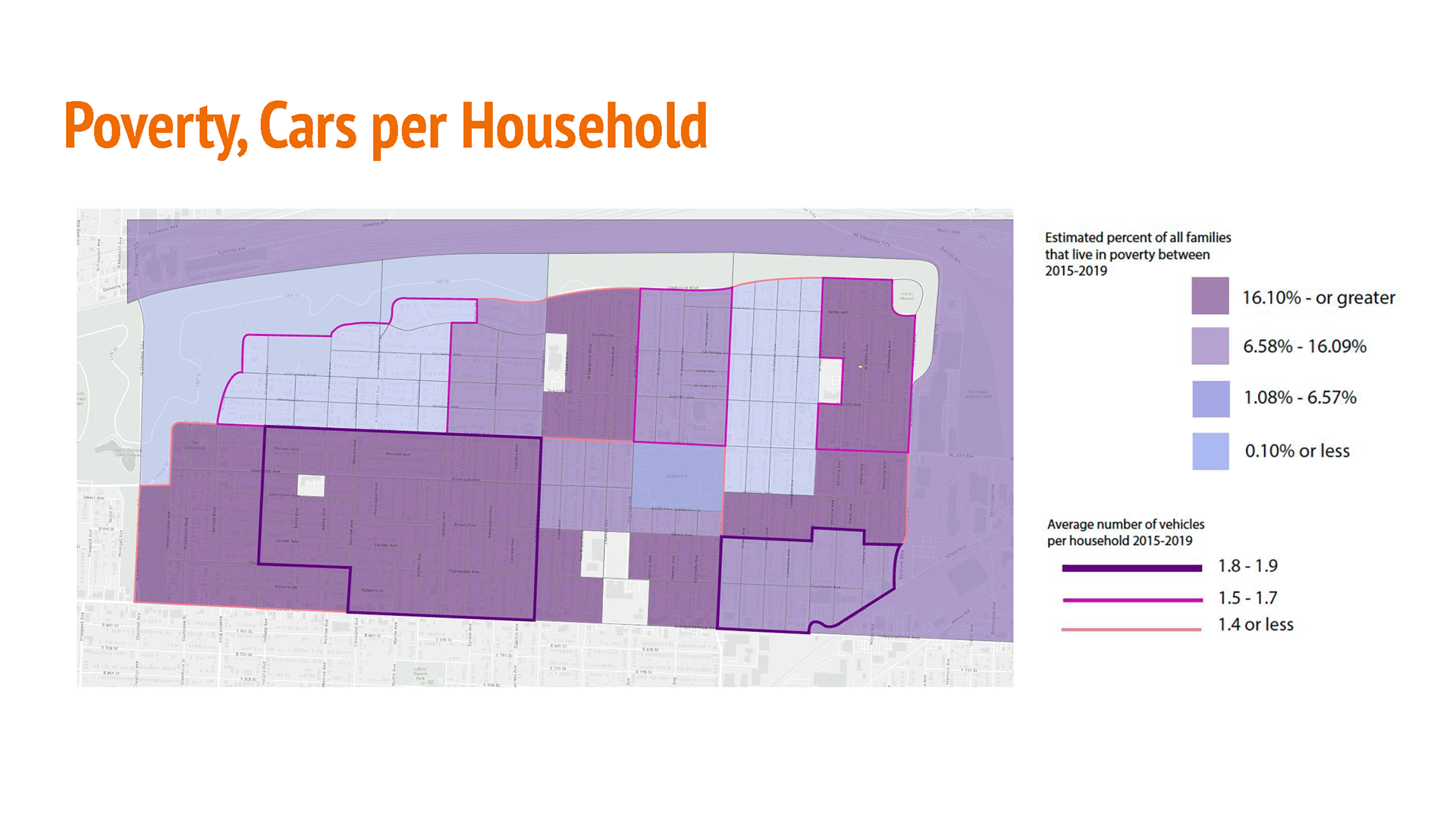
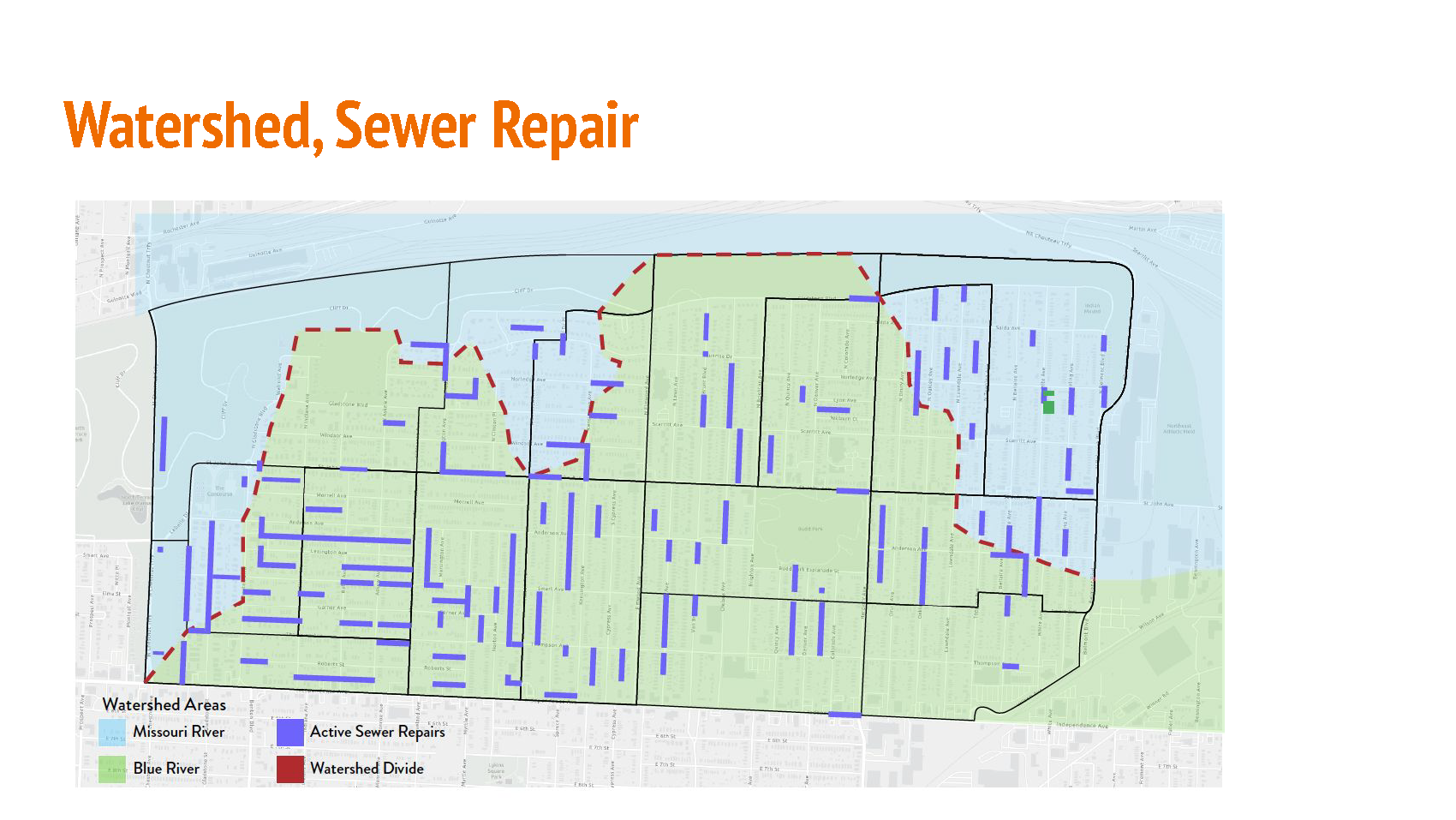
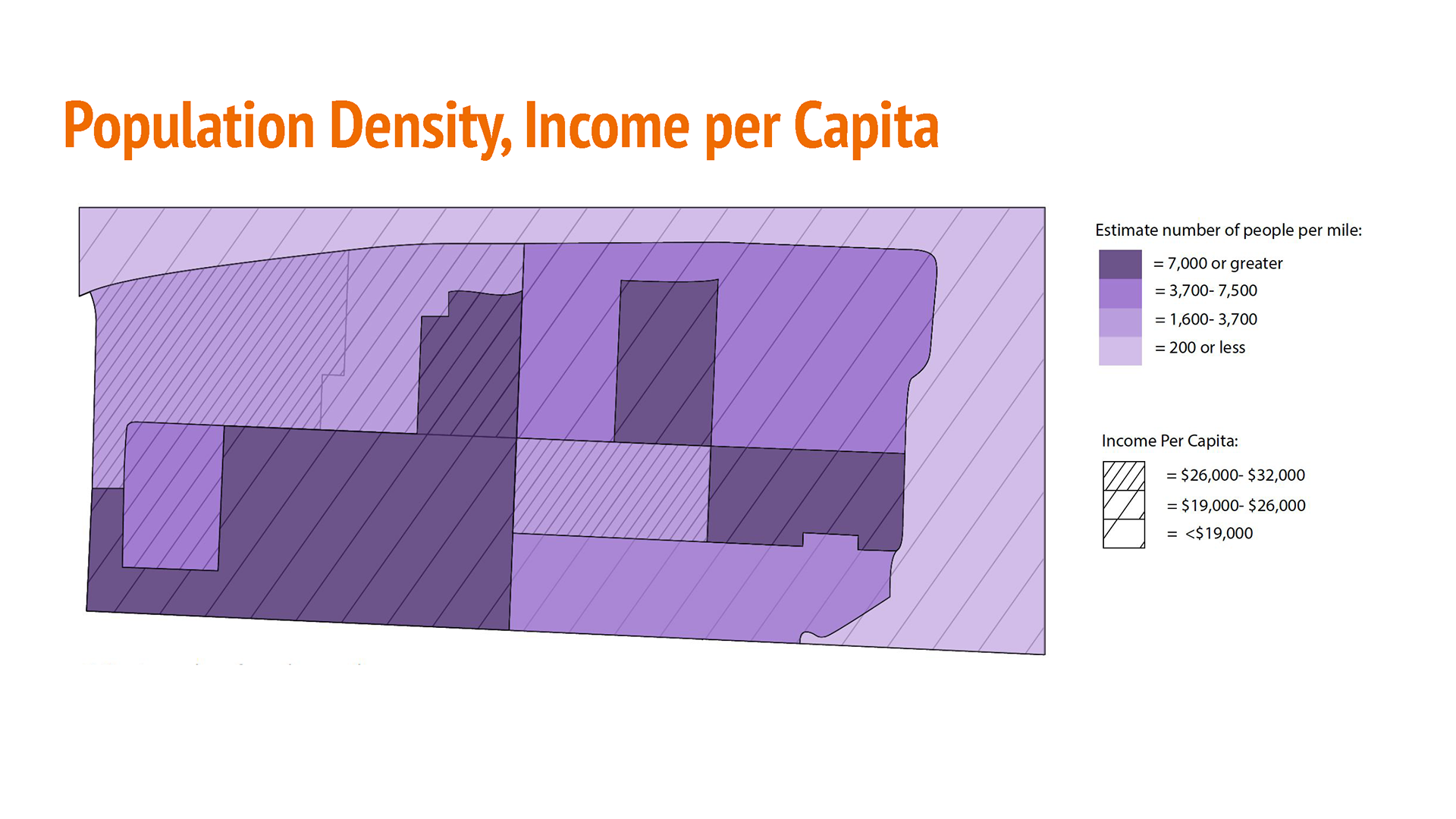
Our group of 6 collectively did this research, I focused on the zoning map, and amenities.
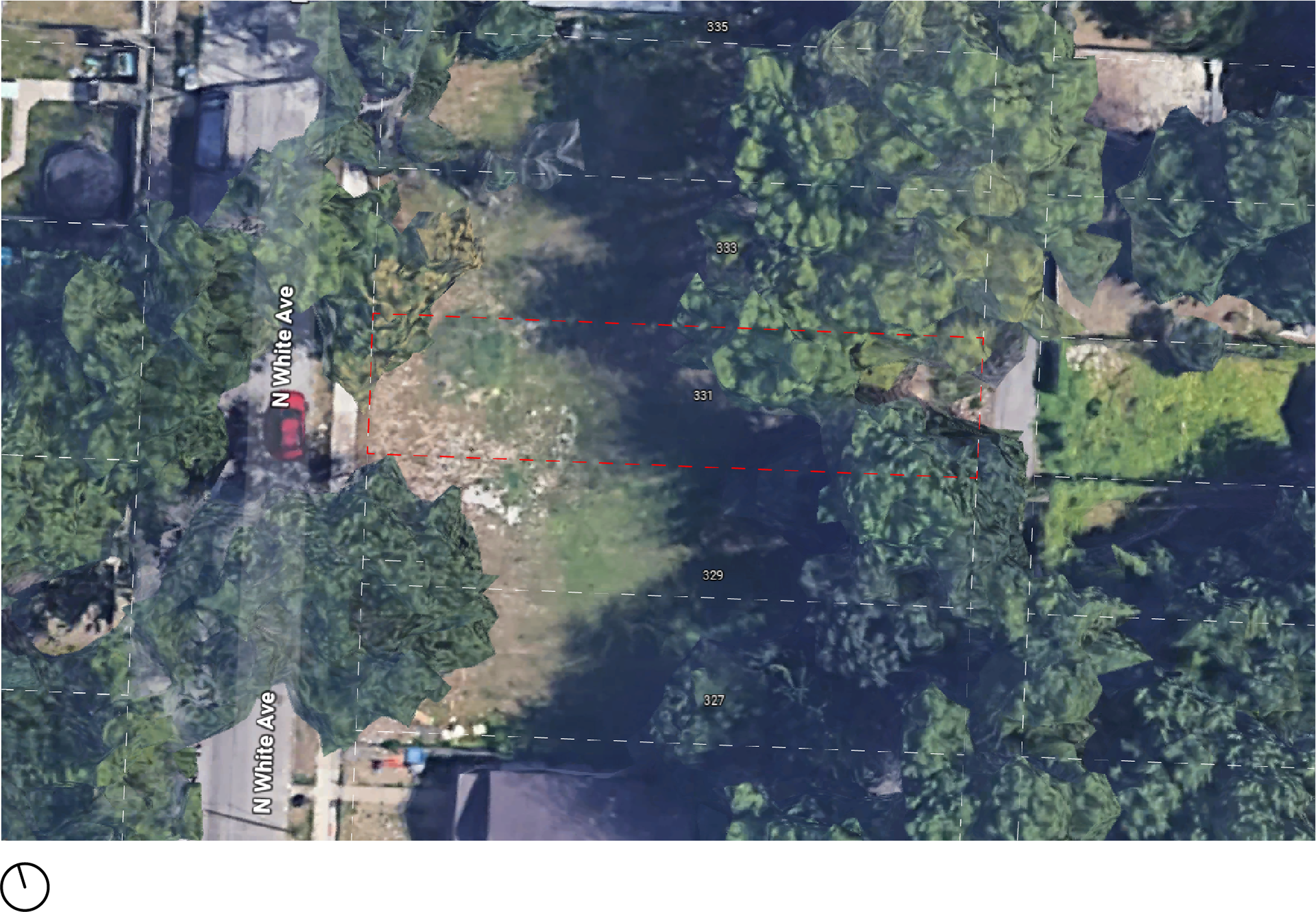
Existing Site
When we were introduced to the site in Northeast Kansas City, we were intrigued with the opportunity to bring energy to a community that needs signs of investment. In the neighborhood, no new houses have been built in over 50 years, except for the original NET + Studio. Walking around the neighborhood, the number of front porches was significant enough to grab your attention and realize it was a major initiator for social interaction. The neighborhood needs to celebrate life in the area among the numerous boarded-up houses and empty lots. This led to the realization that the identity of the home can create a foundation for a successful life with proper community outreach while also creating a personal connection to the intimacy of a home as well. This site visit really helped identify the needs of the people and be aware of the importance of the extension of public spaces but also focus on the protection and privacy a home needs to offer as well.
Spatial Massing
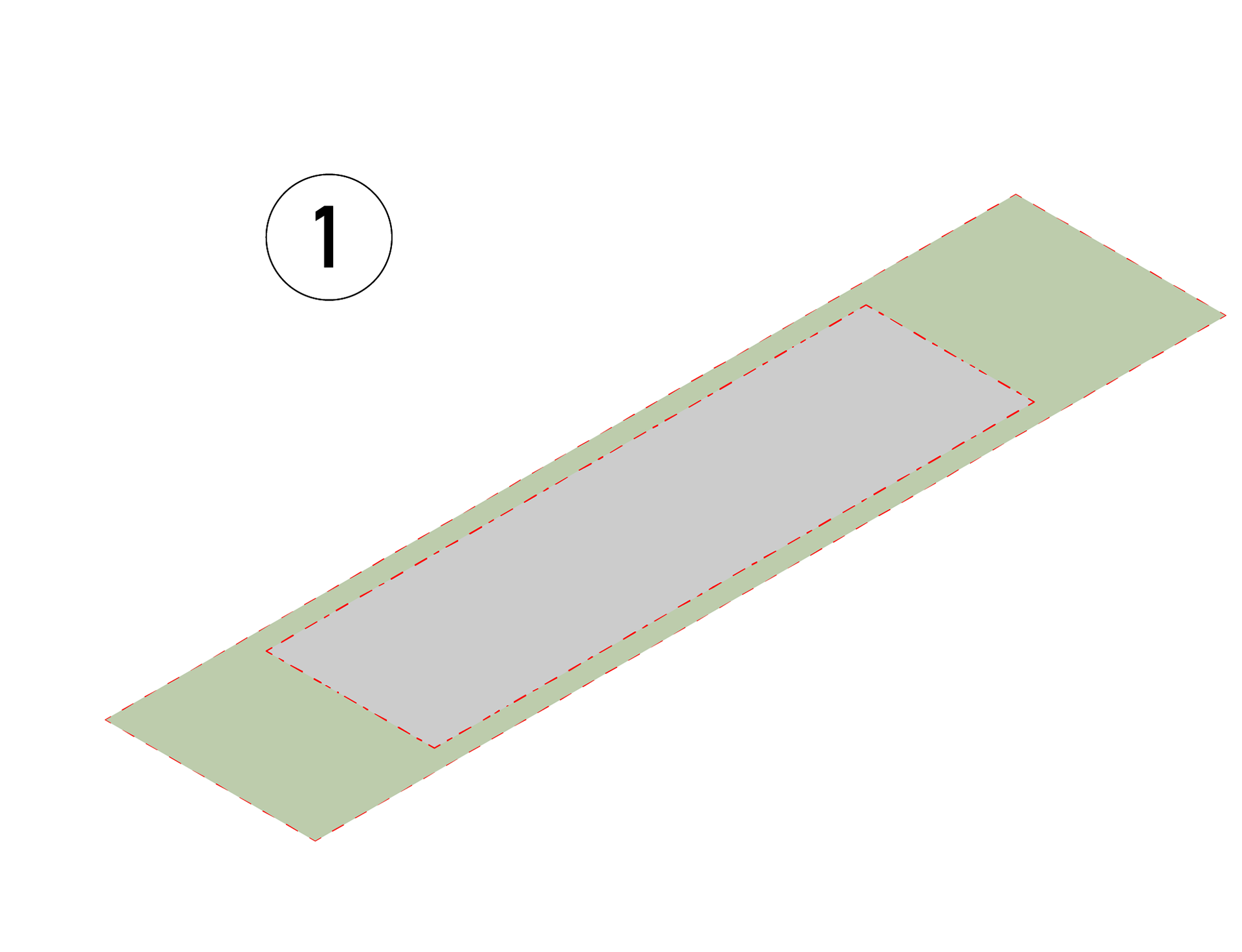
Existing Site With Zoning Codes
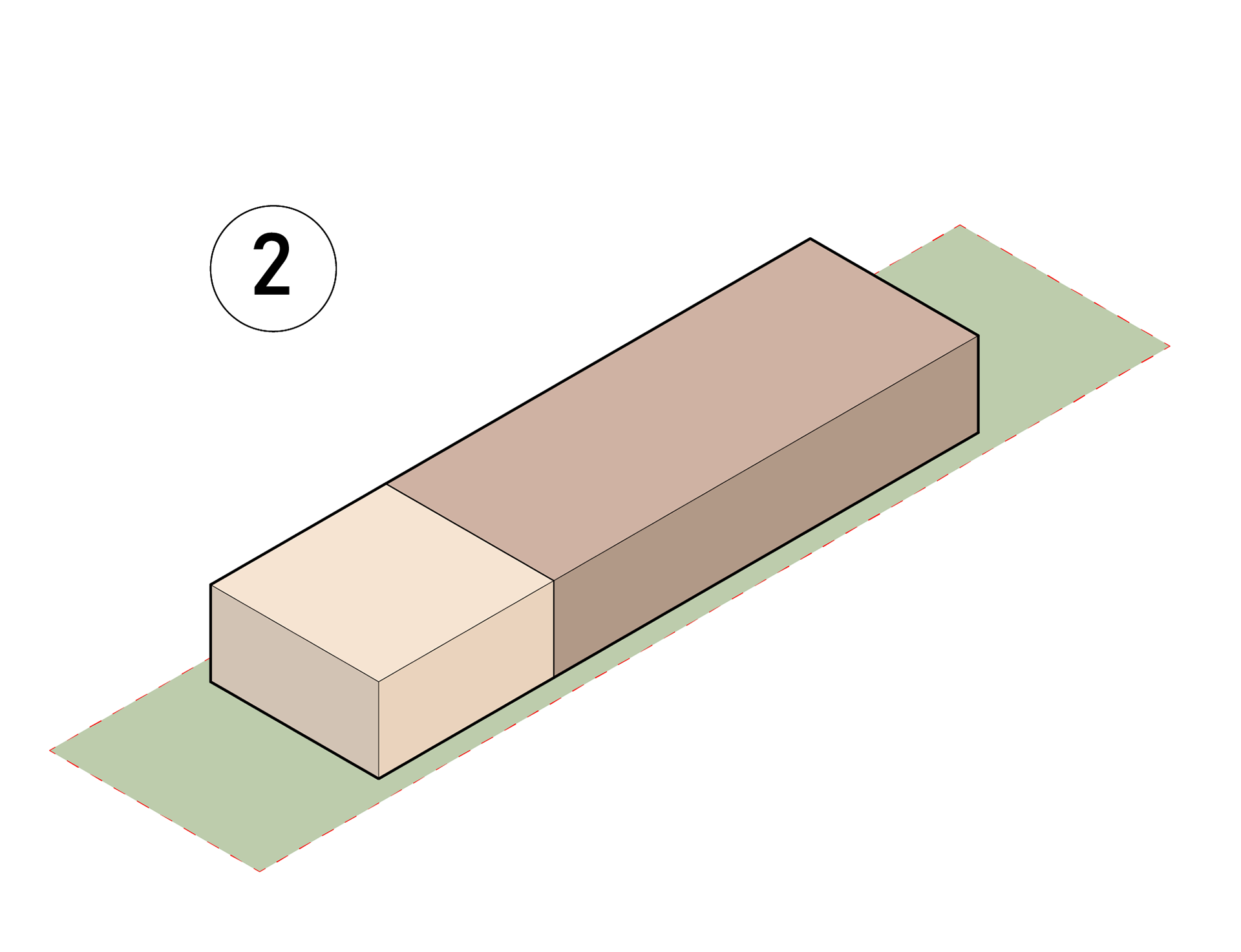
Creation of Public Outreach in Front & Private Retraction in Back
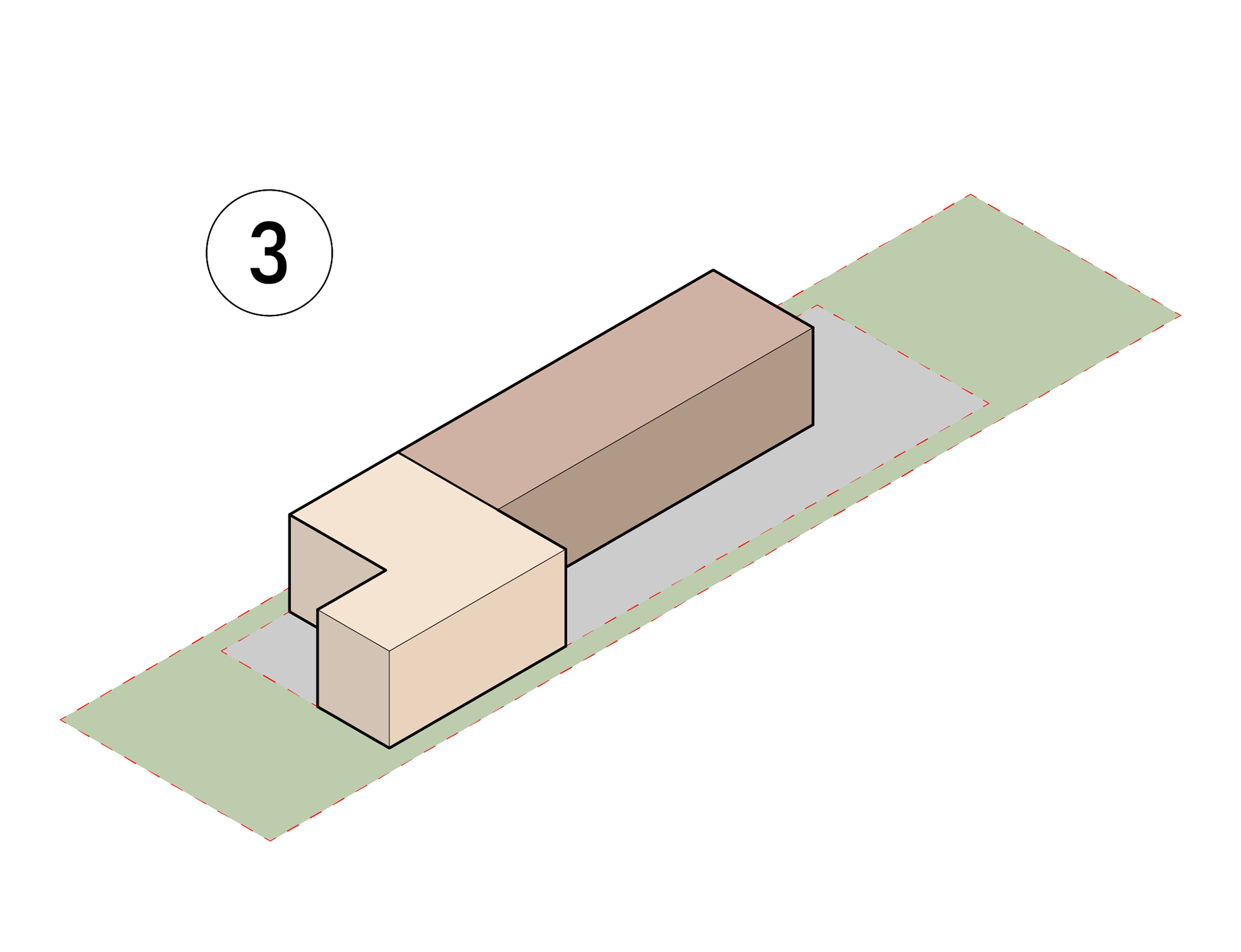
Subtraction of Patio Spaces
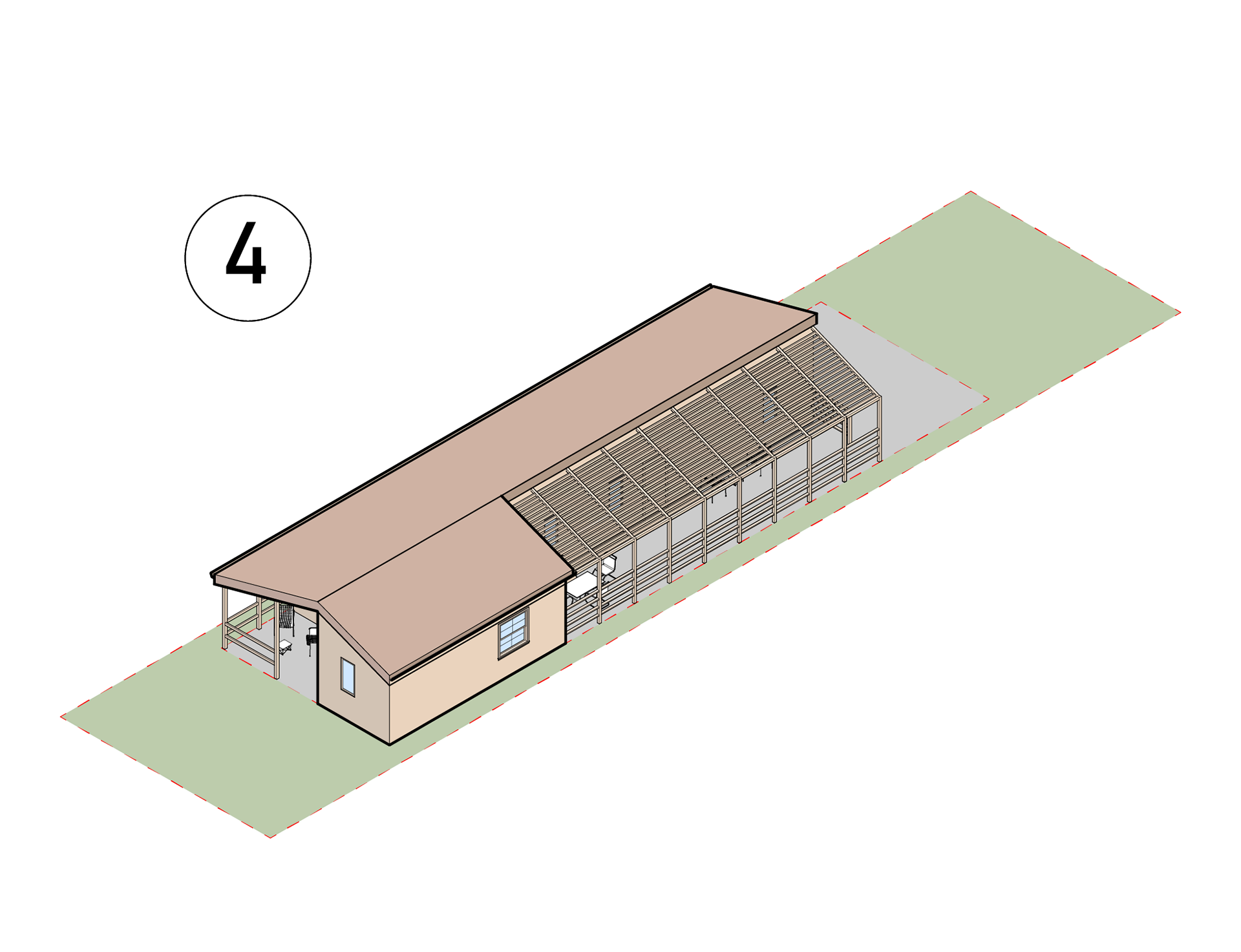
Introduction of Patio Spaces and Unifying Roof with Ridge Beam
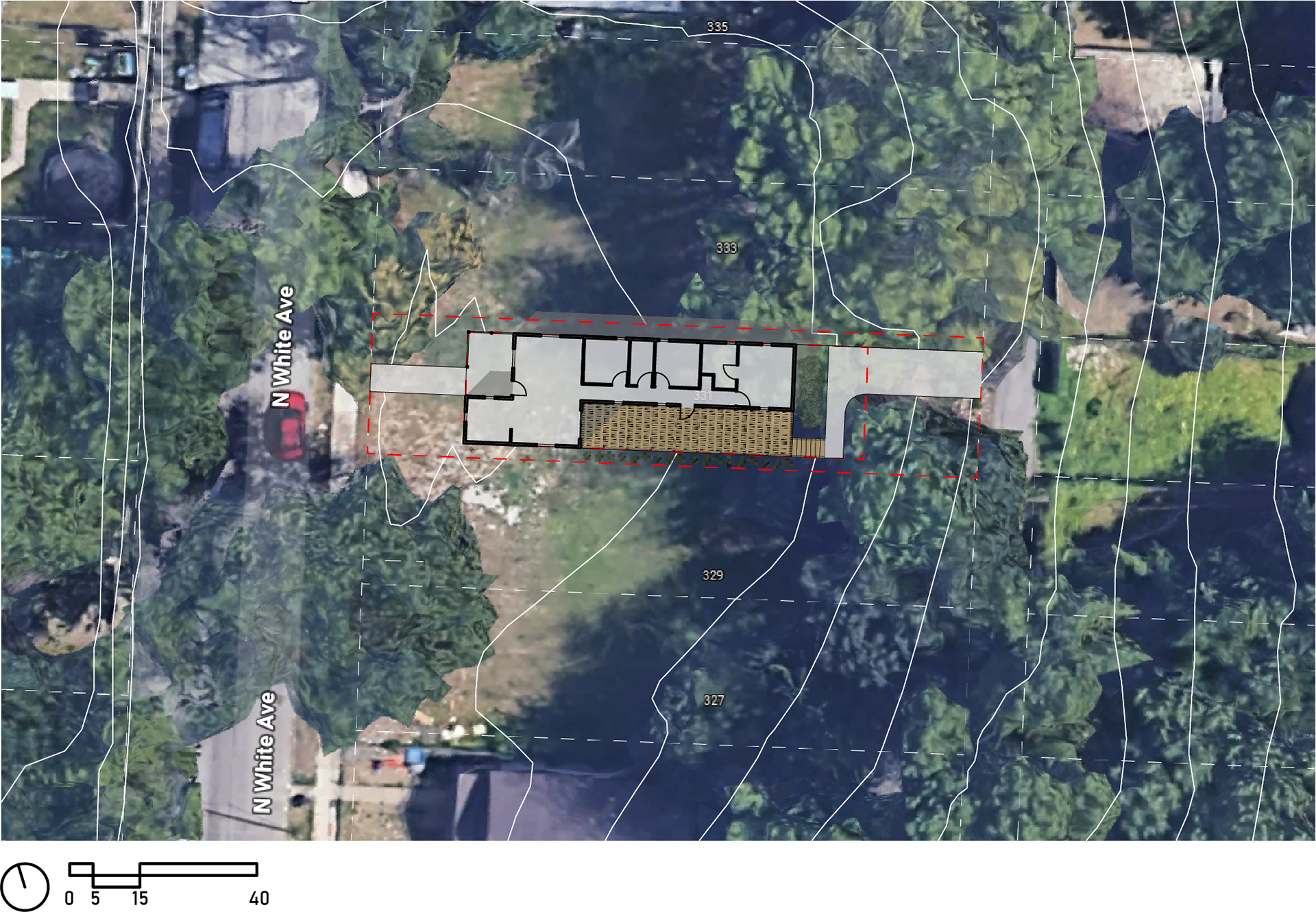
Site Plan
The site is a very peculiar one, with it being a middle lot of 5 open ones with a sharp drop in height about 3/4 of the way through the lot.
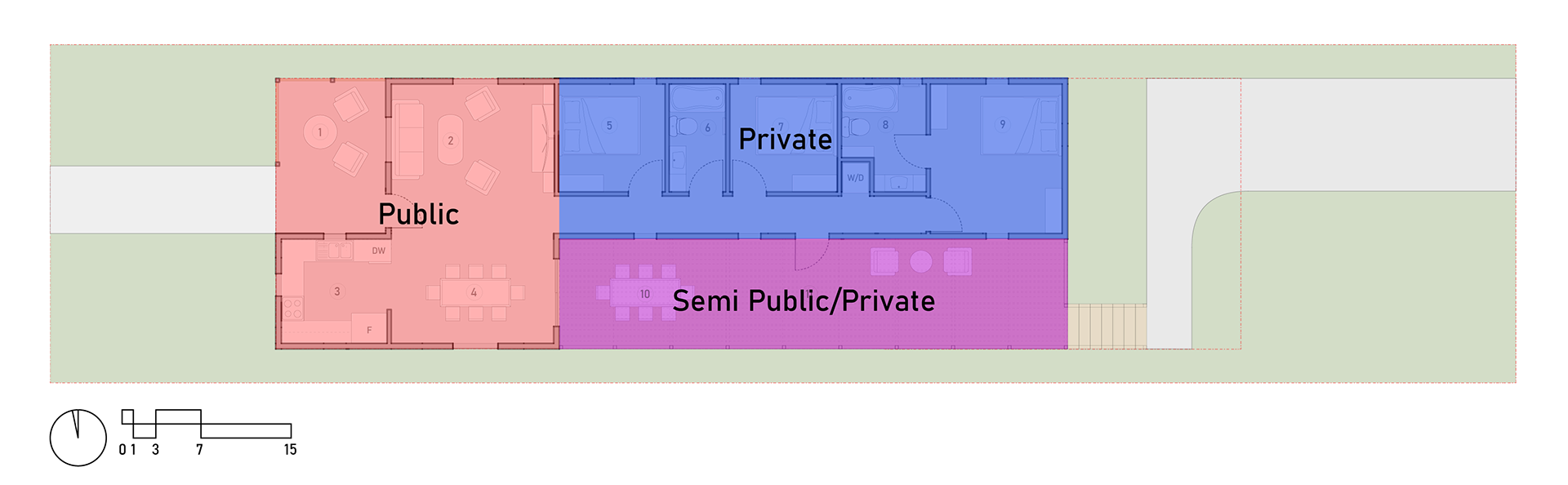
Spatial Definition Diagram
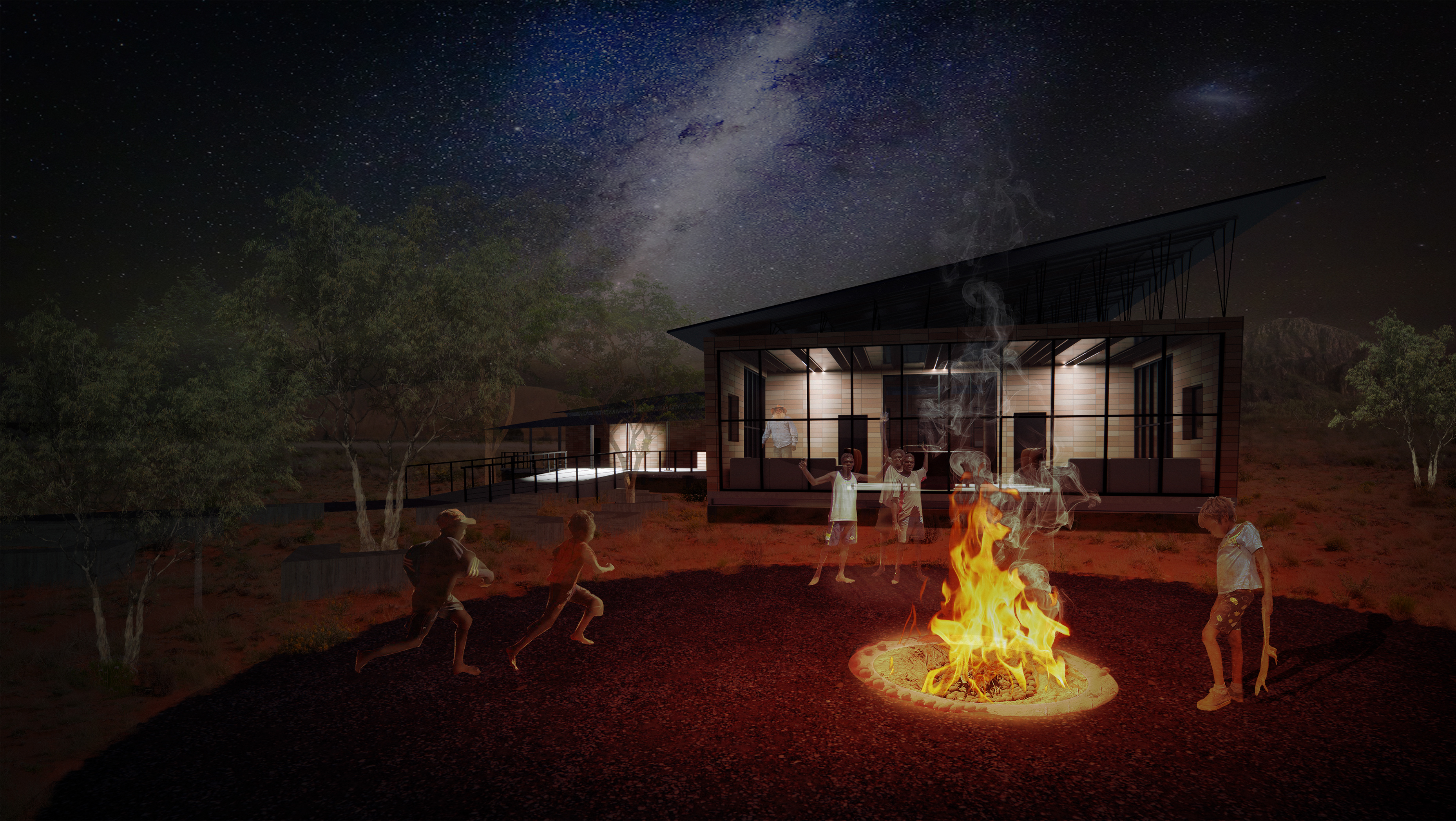
The overall conceptual move was to create a balance of outreach to the public (neighborhood and local community) but also a protected comfortable space for a family (parents and kids). One necessary target to hit on was maximizing square footage. Designing an affordable, net-zero home must include flexible spaces for experiences for the residents and guests while also maximizing overall comfort and safety for residents. This understanding led to the above diagrammatic overlay on top of the plan to show the frontal extension is for accommodating guests and social interaction within the community with the focal point being the front patio. The back part of the house is focused more on the relaxed aspects of day-to-day life including the bedrooms and bathrooms. With close communication with a local real estate agent, we found one way to increase value for the future residents would be to include a primary bathroom connected to the primary bedroom. The big moment created in the design is definitely the back patio space with the overhead elements. Created as a flexible outdoor space that can serve as a public gathering space including the connection to the kitchen and dining room to allow for large dining gatherings which was a request in our majority Latino community as they celebrate family, friends, and food often. One consideration of the back patio space was the overhead elements to create a more defined outdoor space and privacy in an area where lot sizes are long and narrow and you may be as close to your neighbor as 10 feet away. In inclusion to this move, the overhead elements also functionally act as a sunshade device while not disrupting the cross-ventilation while also creating shadowplay and overall a better experience for the users.
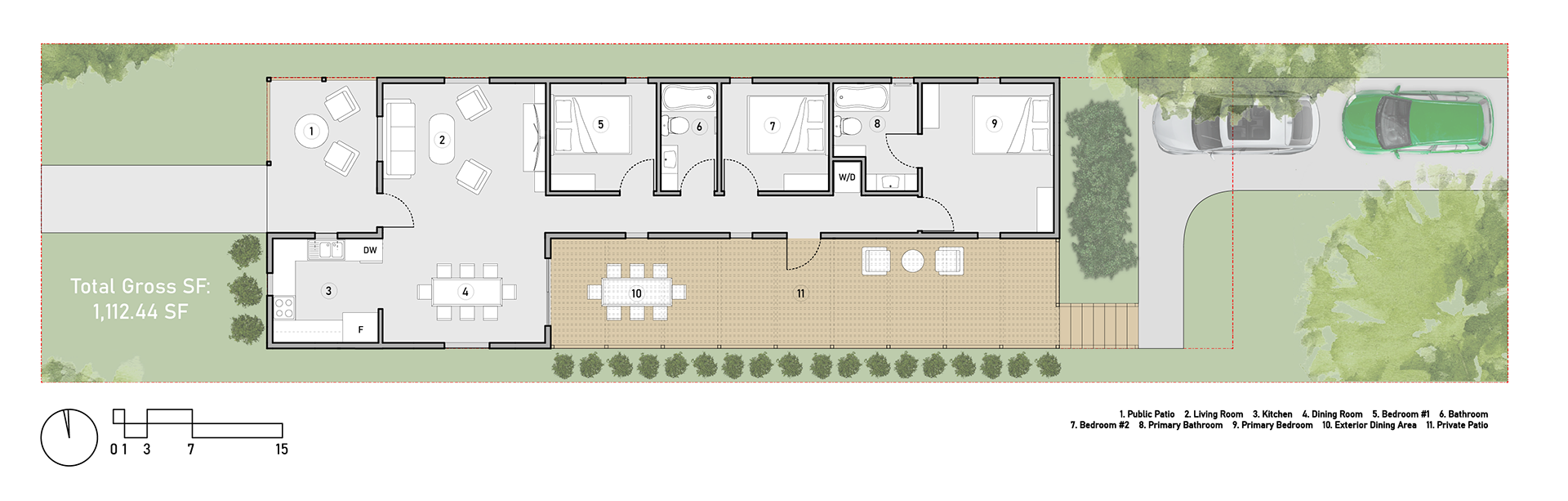
Floor Plan
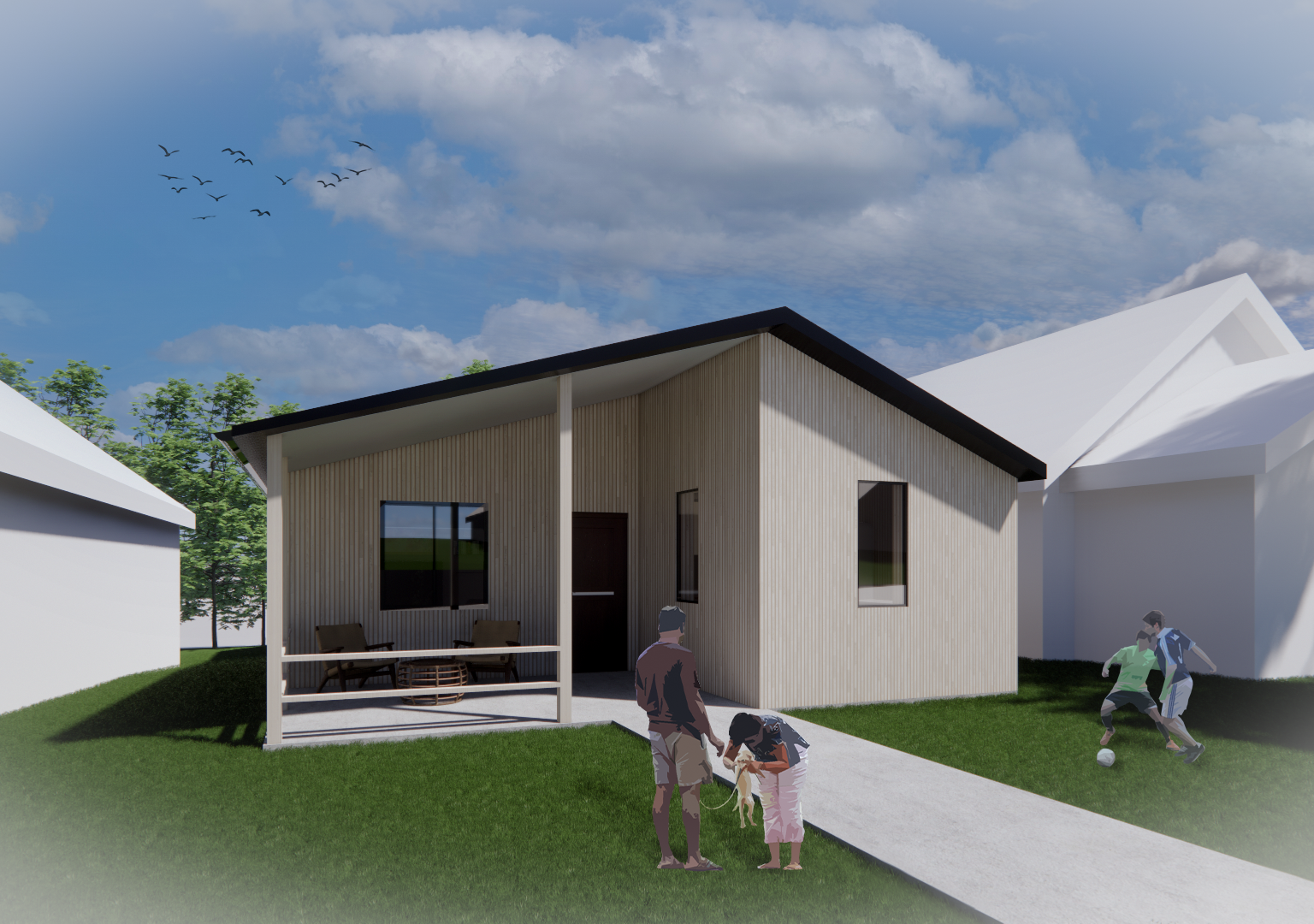
Front Facade

North Elevation
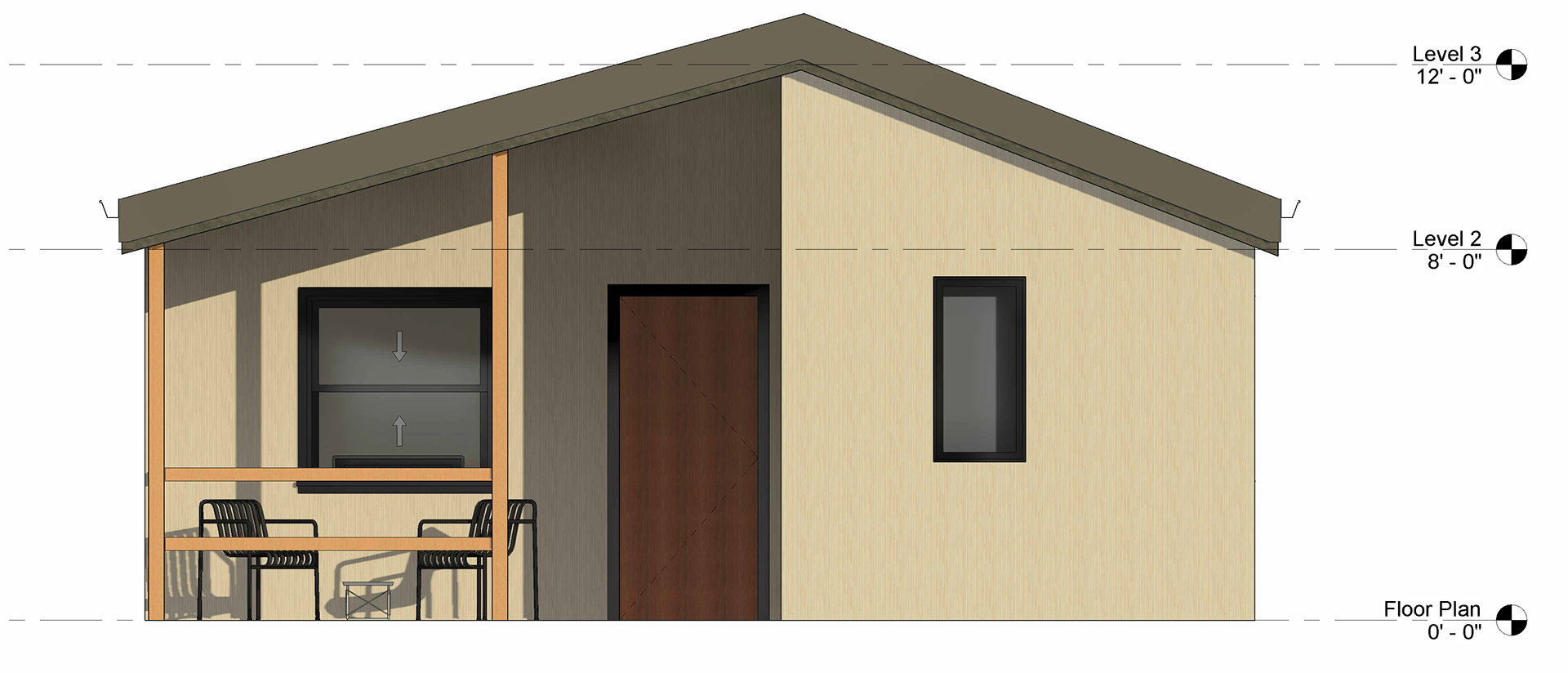
West Elevation
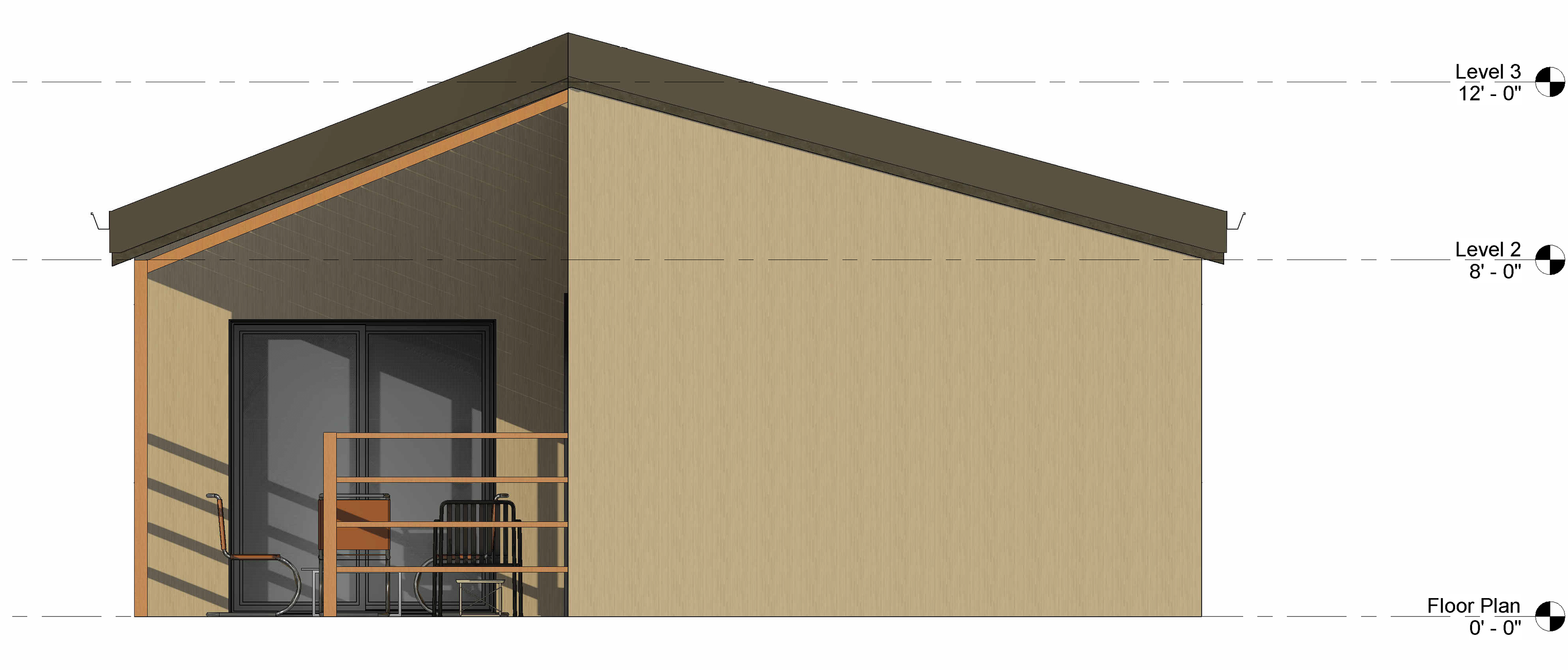
East Elevation

South Elevation
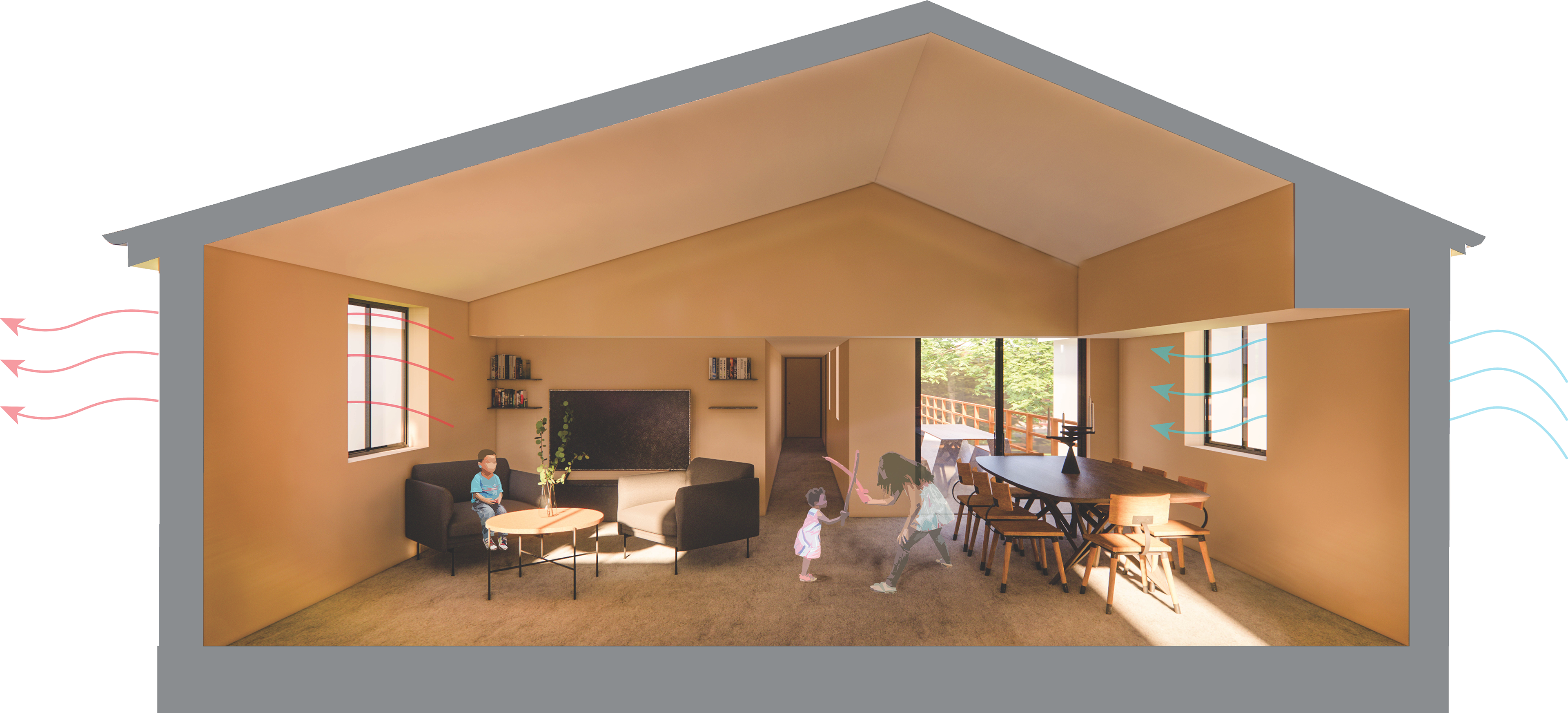
Section Perspective of Living Space
The main goal of the living space was to maximize the experience within the cost-restricted frame of the project. By actively thinking of the location of windows for cross ventilation and natural light and using the best roof structure to create comfortable spaces to interact while not feeling cramped. This offers a clear view of the living space and how protected the private spaces are by the main hallway.
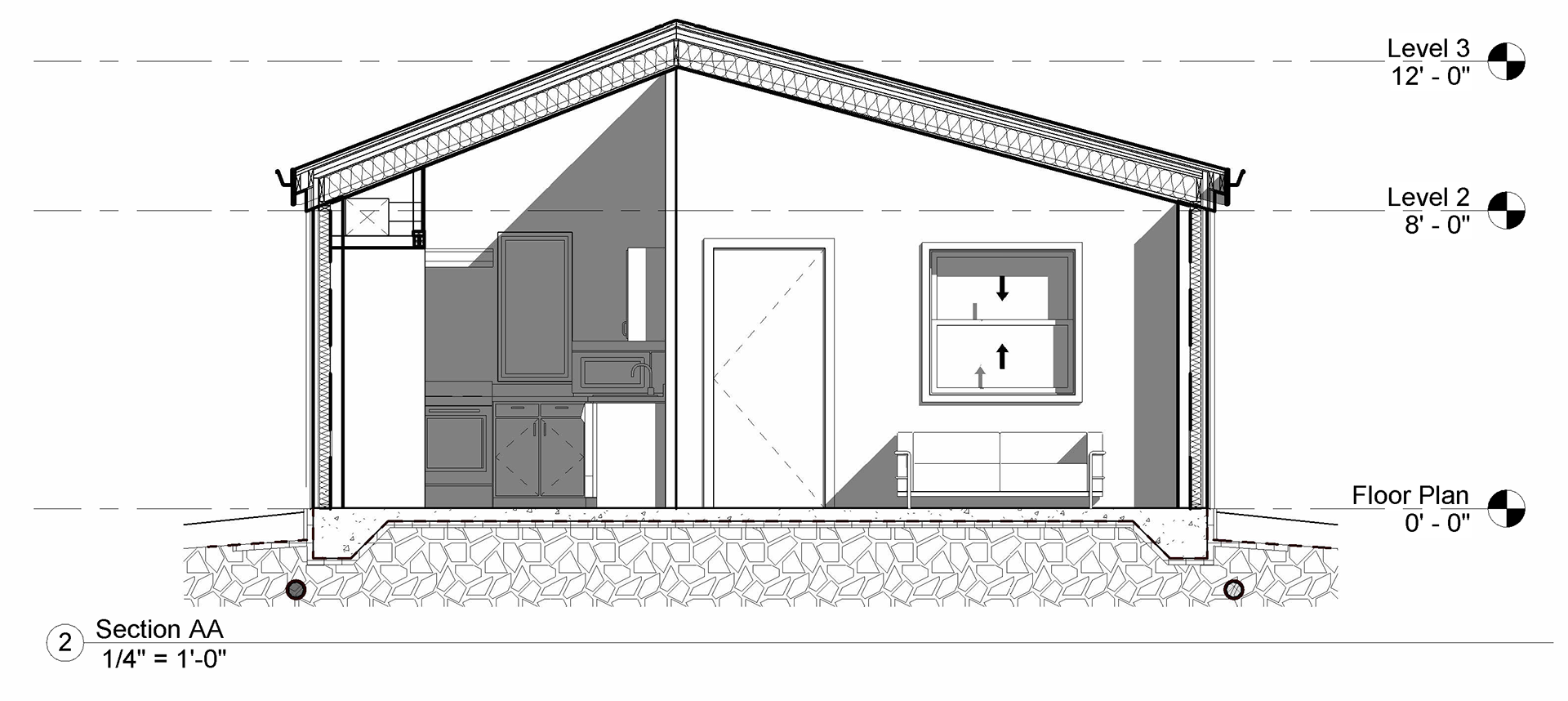
Section AA
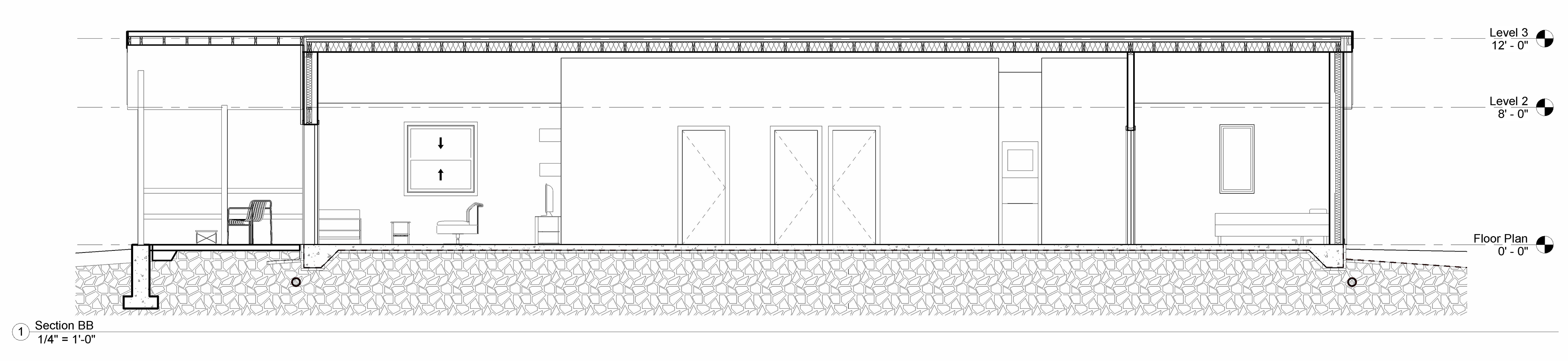
Section BB
One of the biggest challenges of the site besides the slope was how narrow the buildable area was. A buildable area of 25' x 75' makes for a difficult way to keep and organize the spaces in a unique way. Ultimately, this led to the creation of the main core hallway to minimize the dedicated circulation space which is noticeable in the section above.
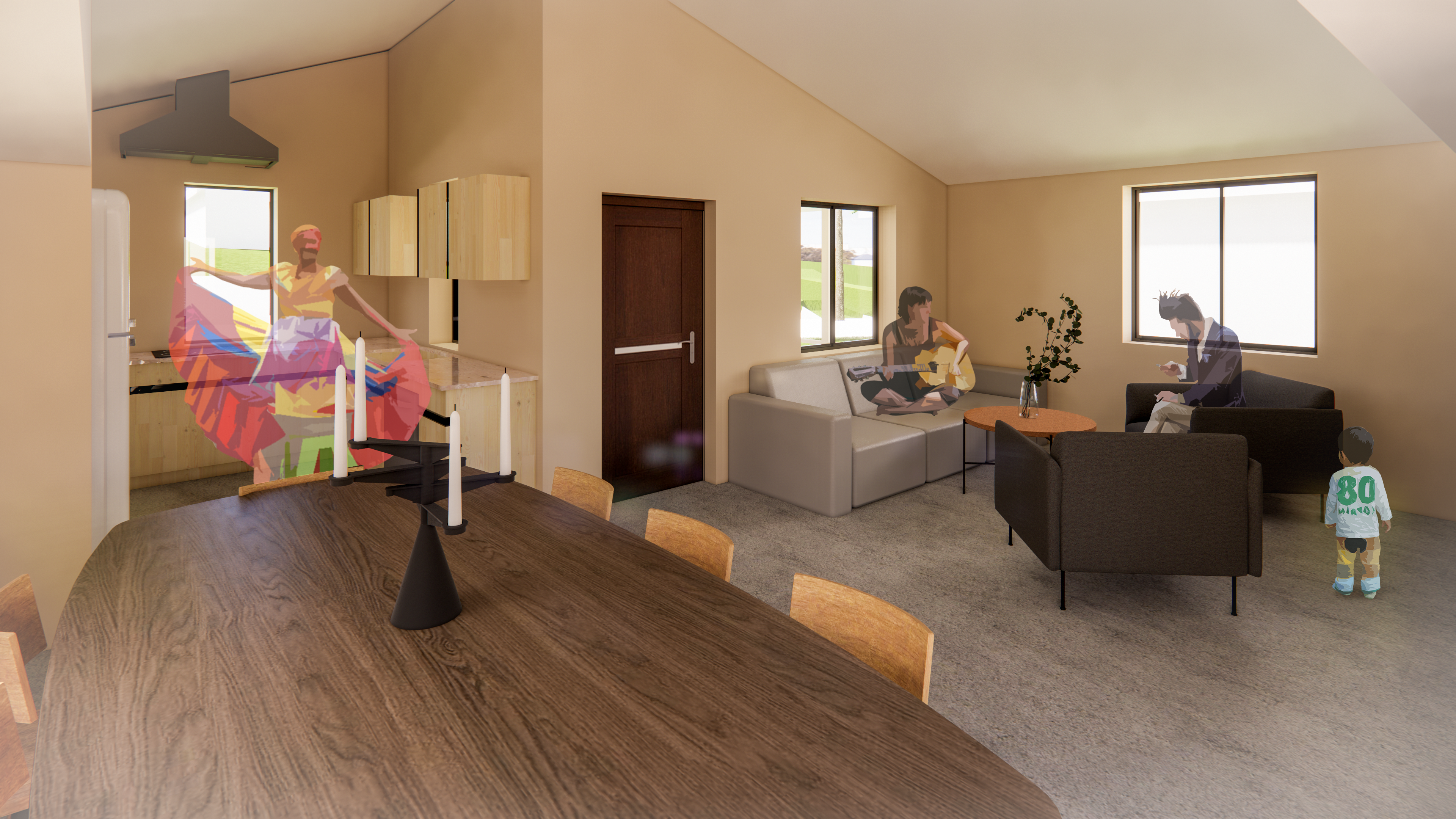
Living Space
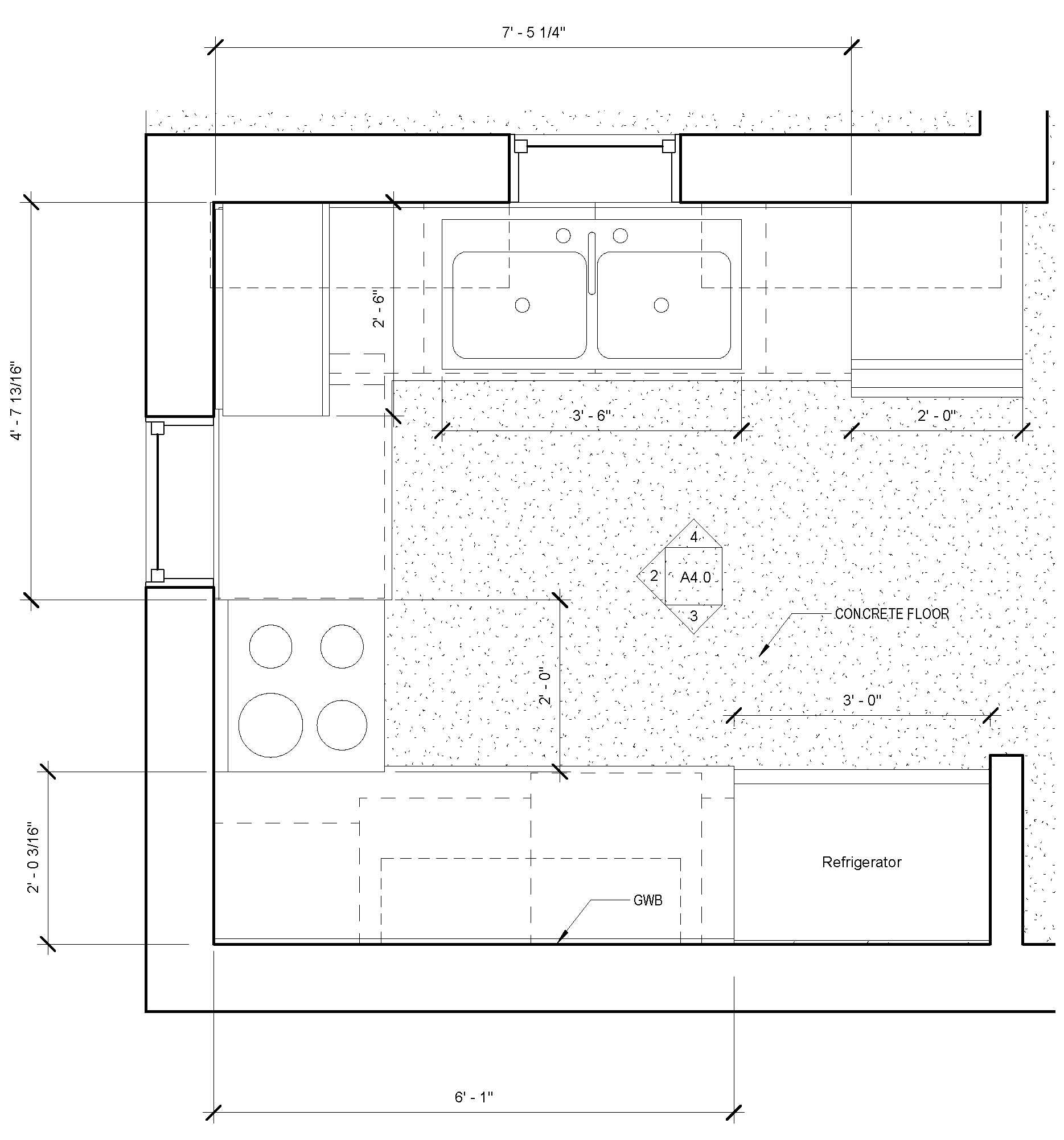
Enlarged Plan of Kitchen
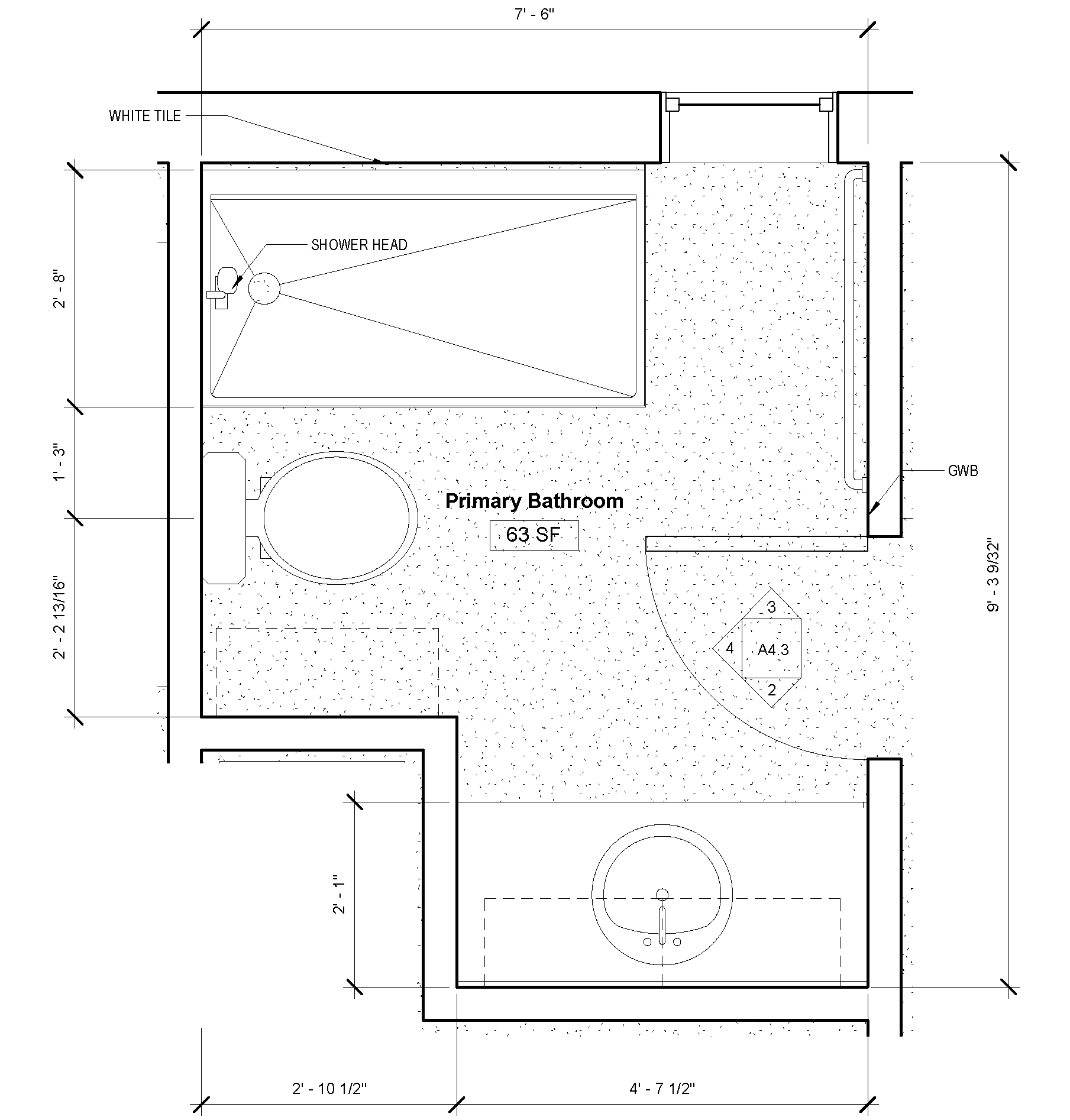
Enlarged Plan of Primary Bathroom
Details of the Design
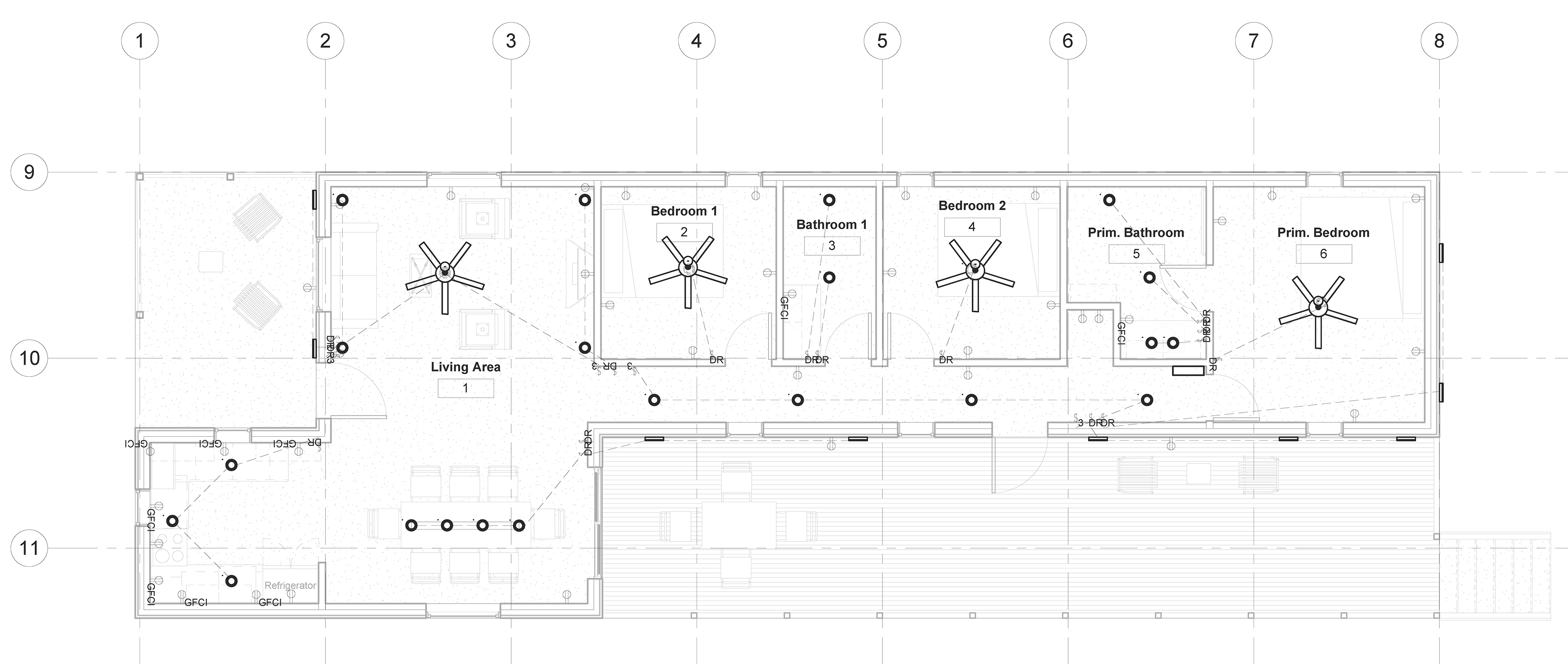
Electrical Plan
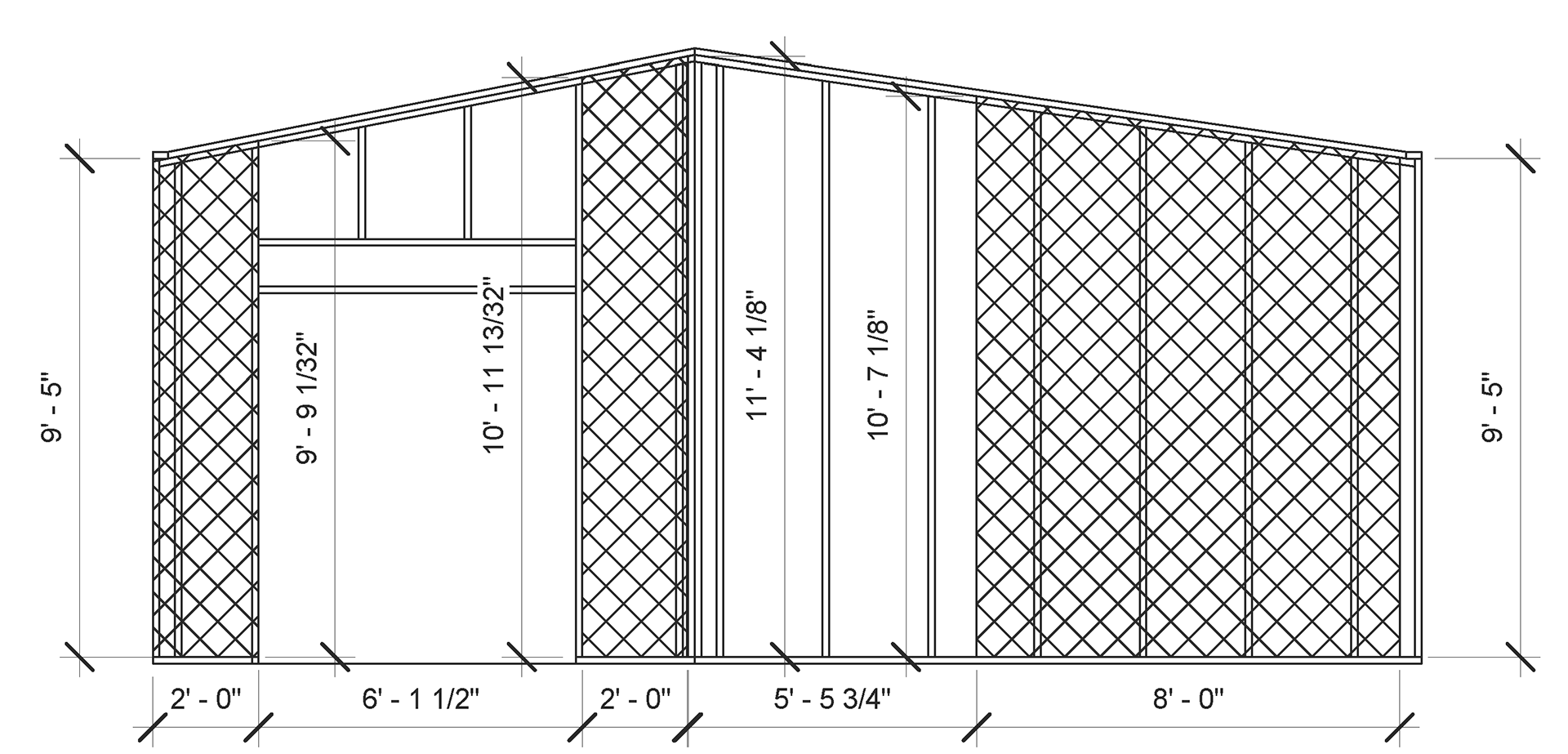
West Brace Wall Elevation
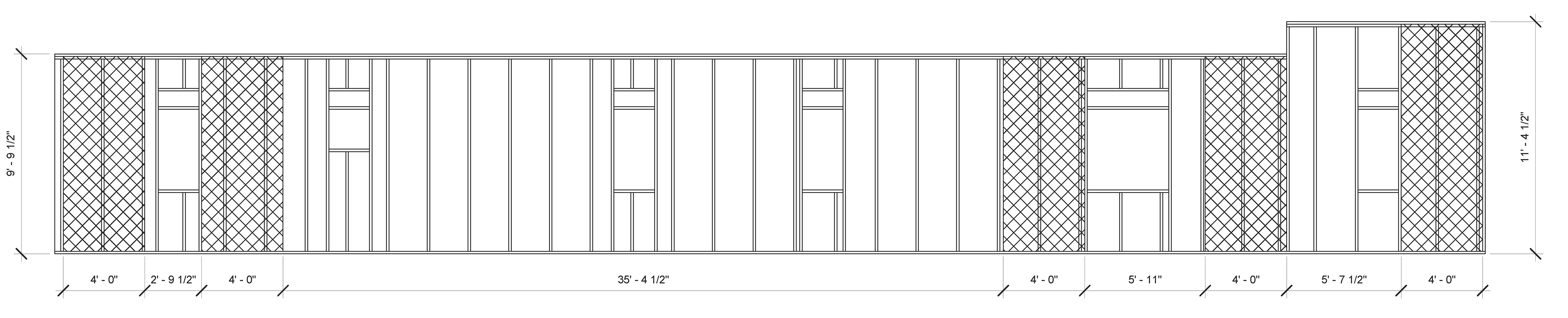
North Brace Wall Elevation

South Brace Wall Elevation
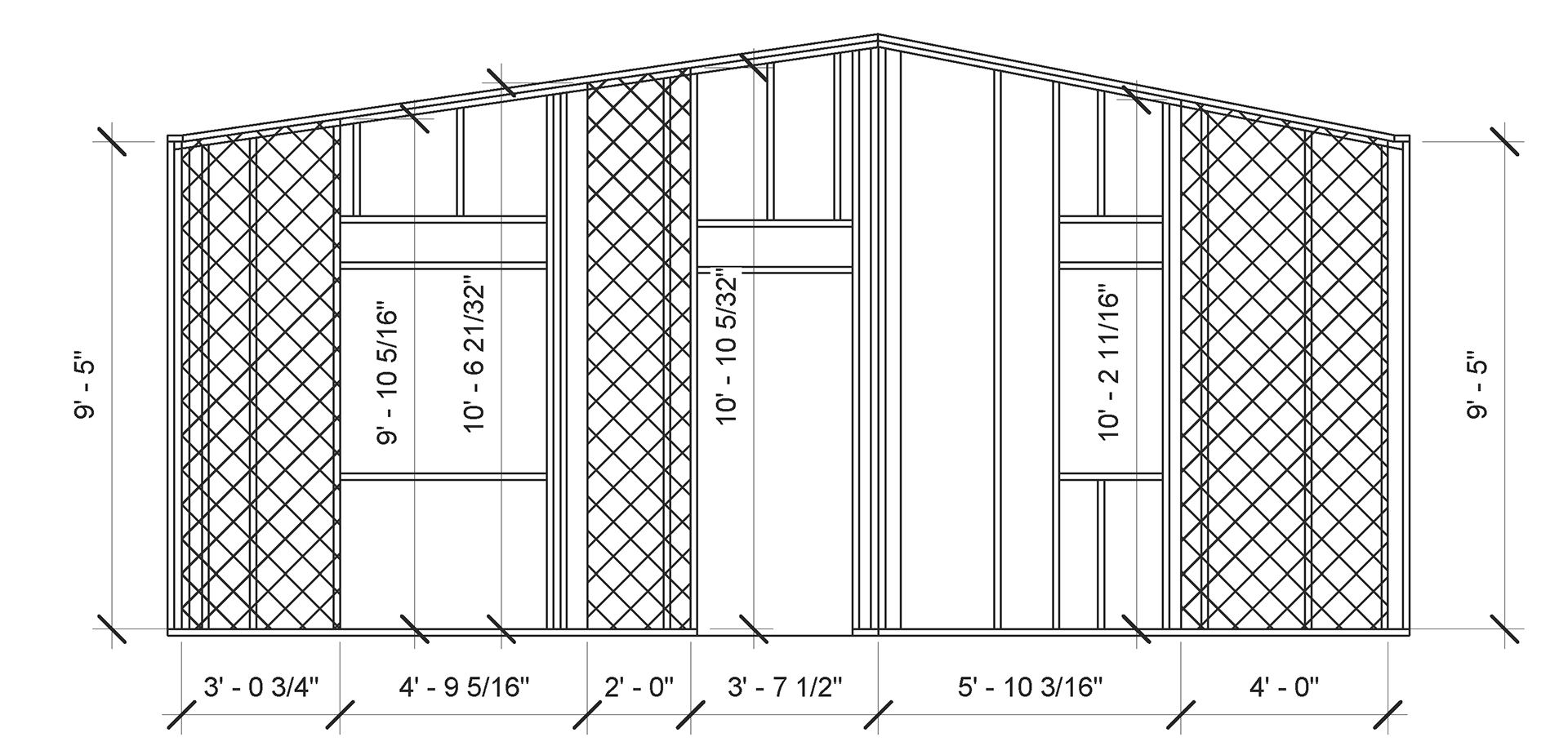
East Brace Wall Elevation
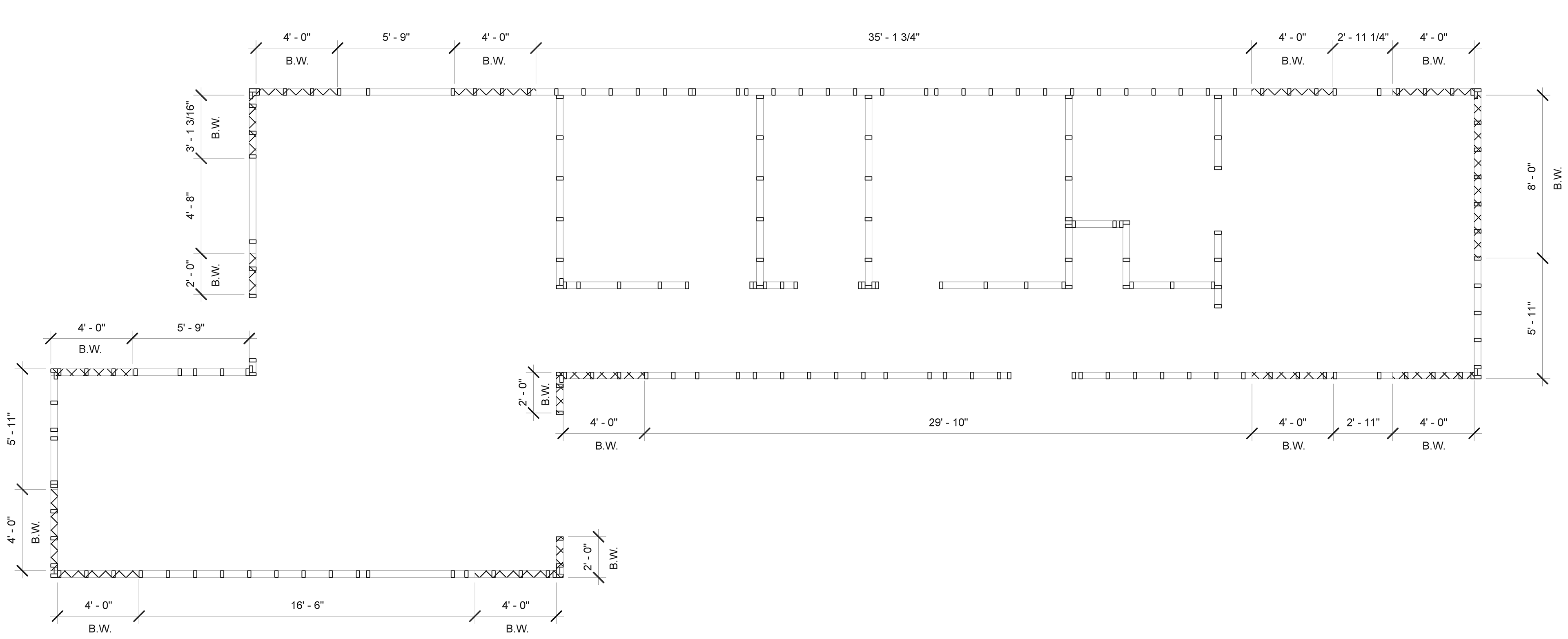
Brace Wall Plan & Elevations
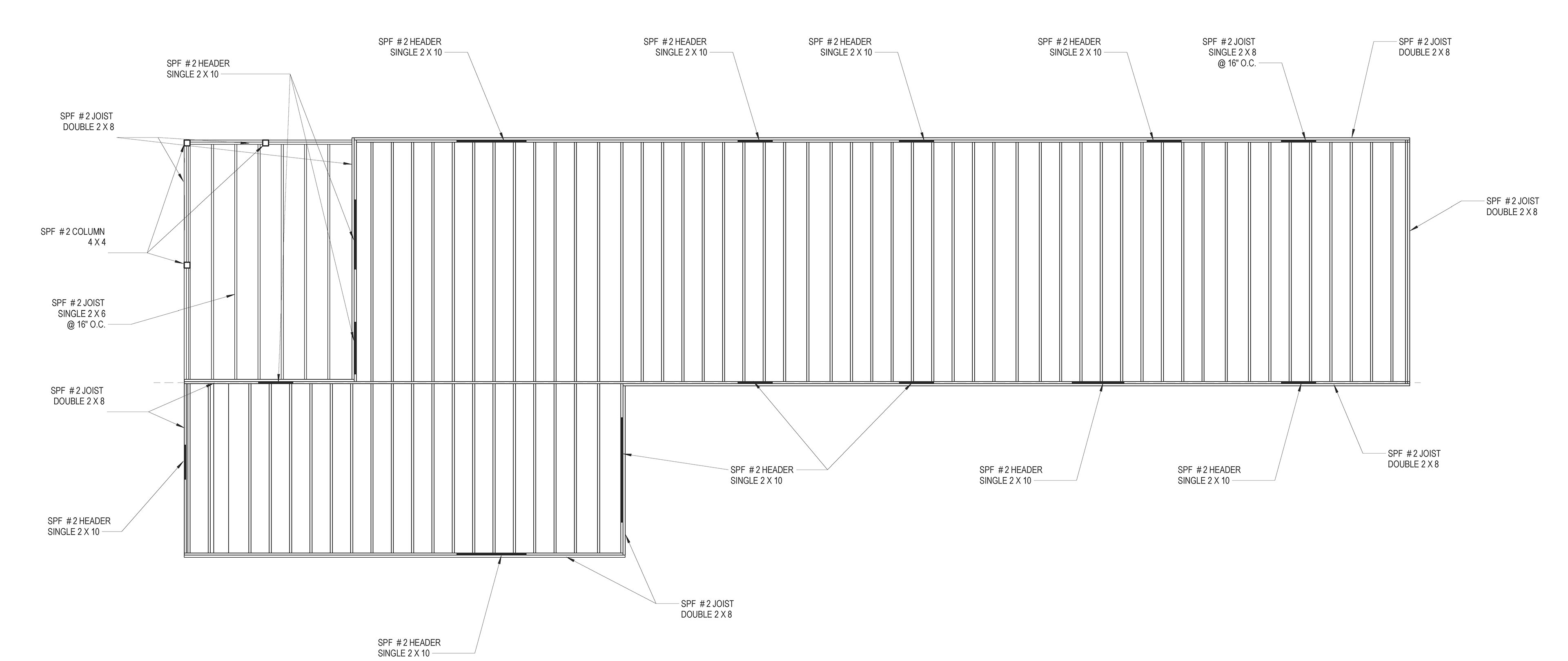
Roof Framing Plan
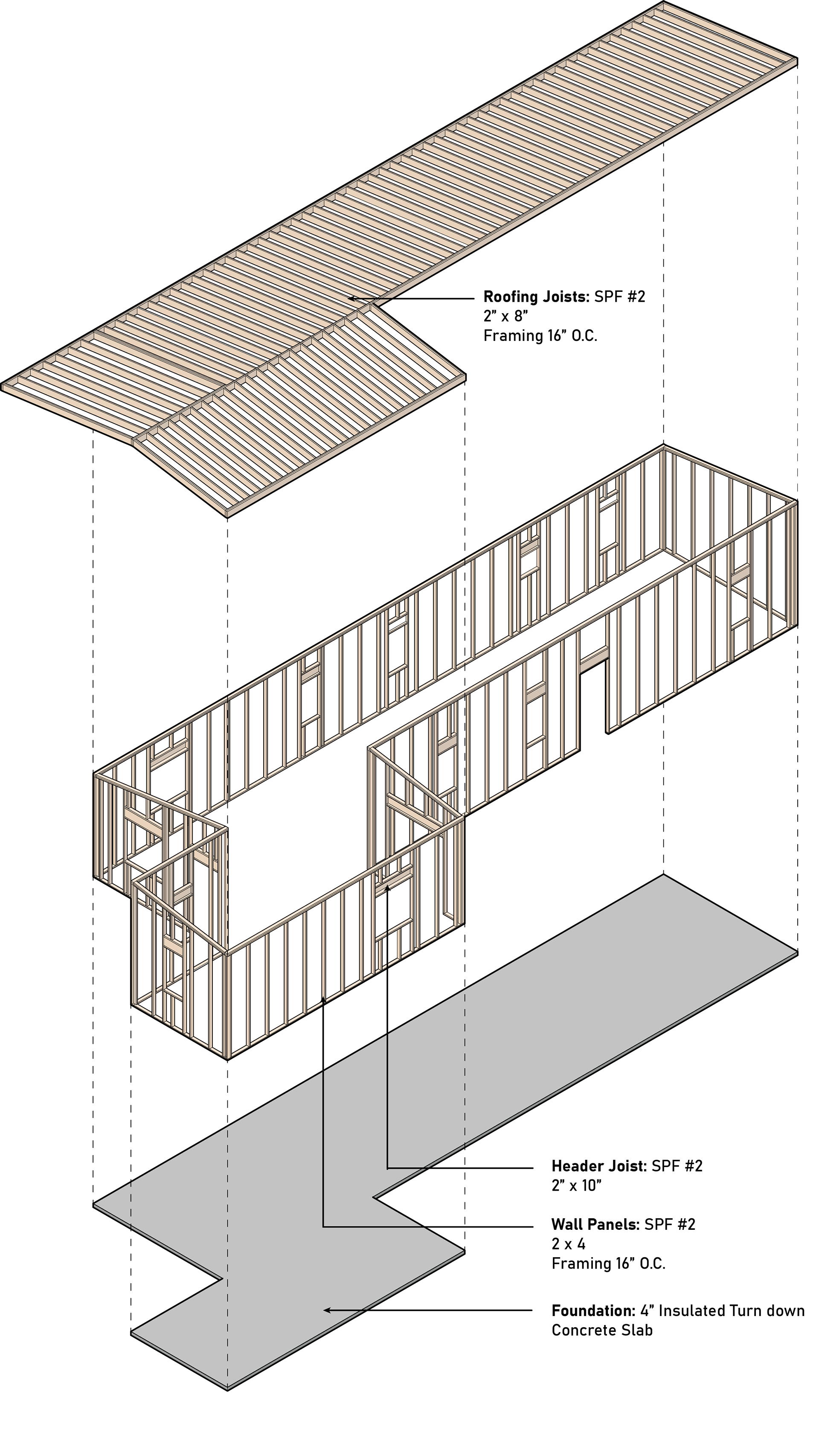
Exploded Axonometric of the Structure
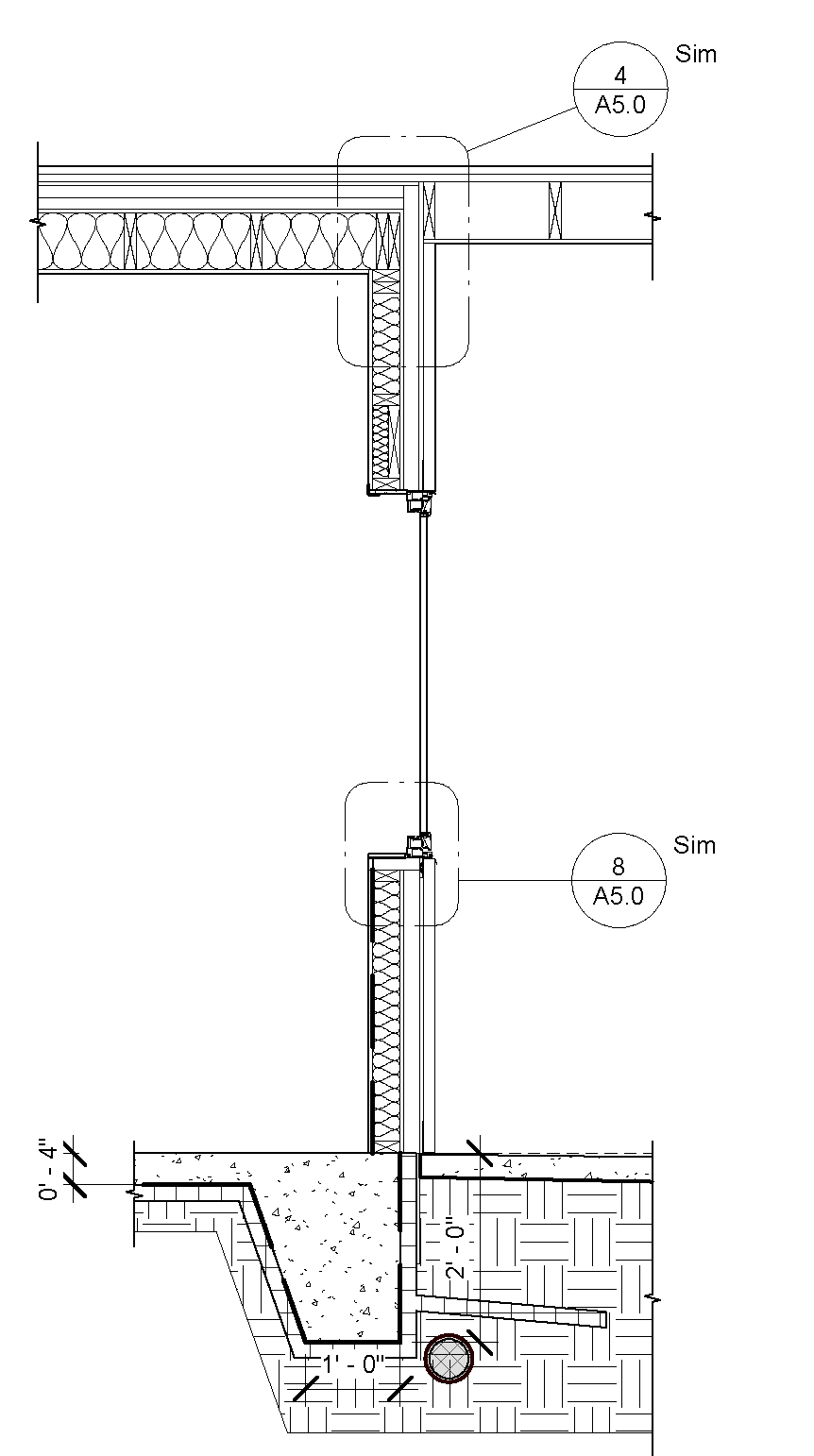
Wall Section A
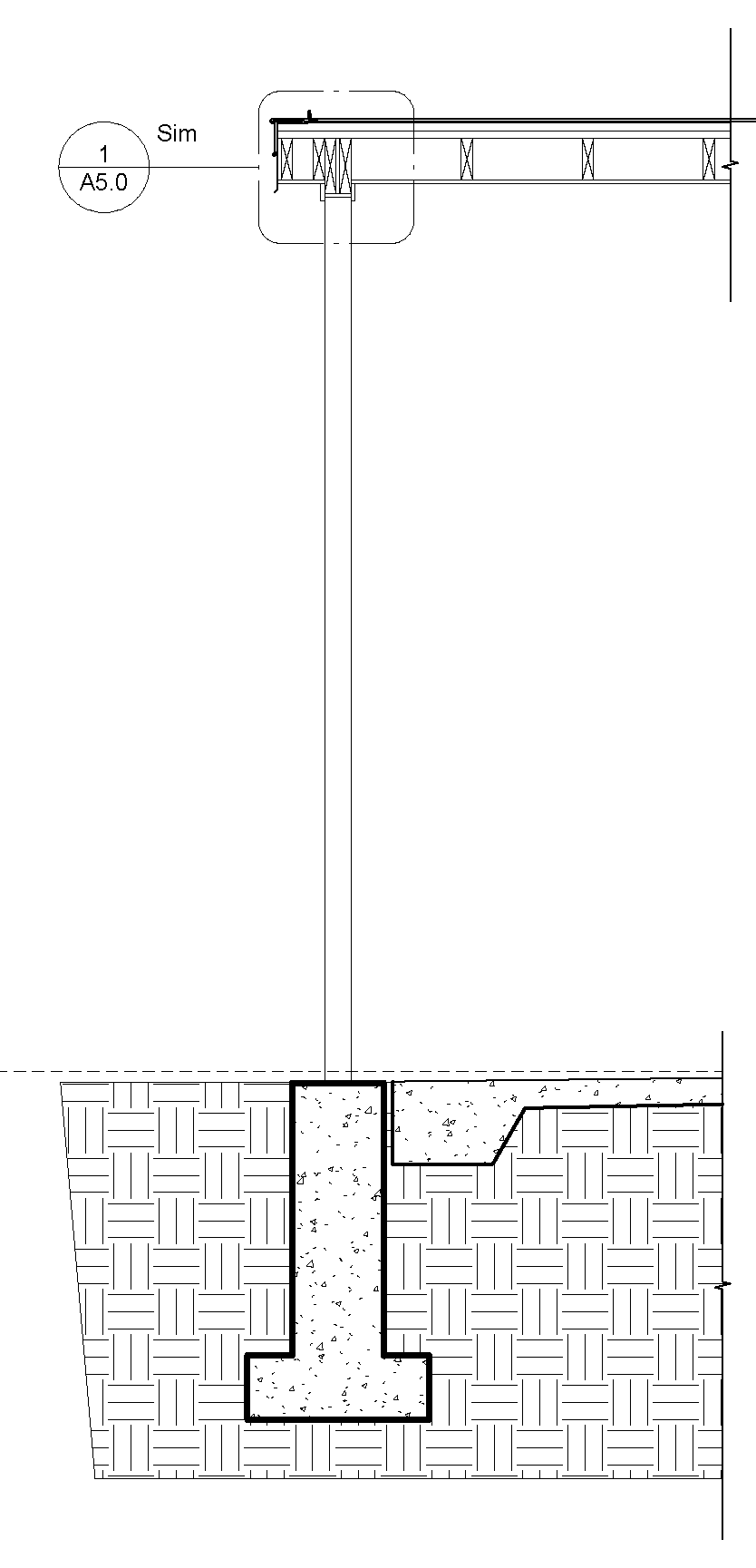
Wall Section B
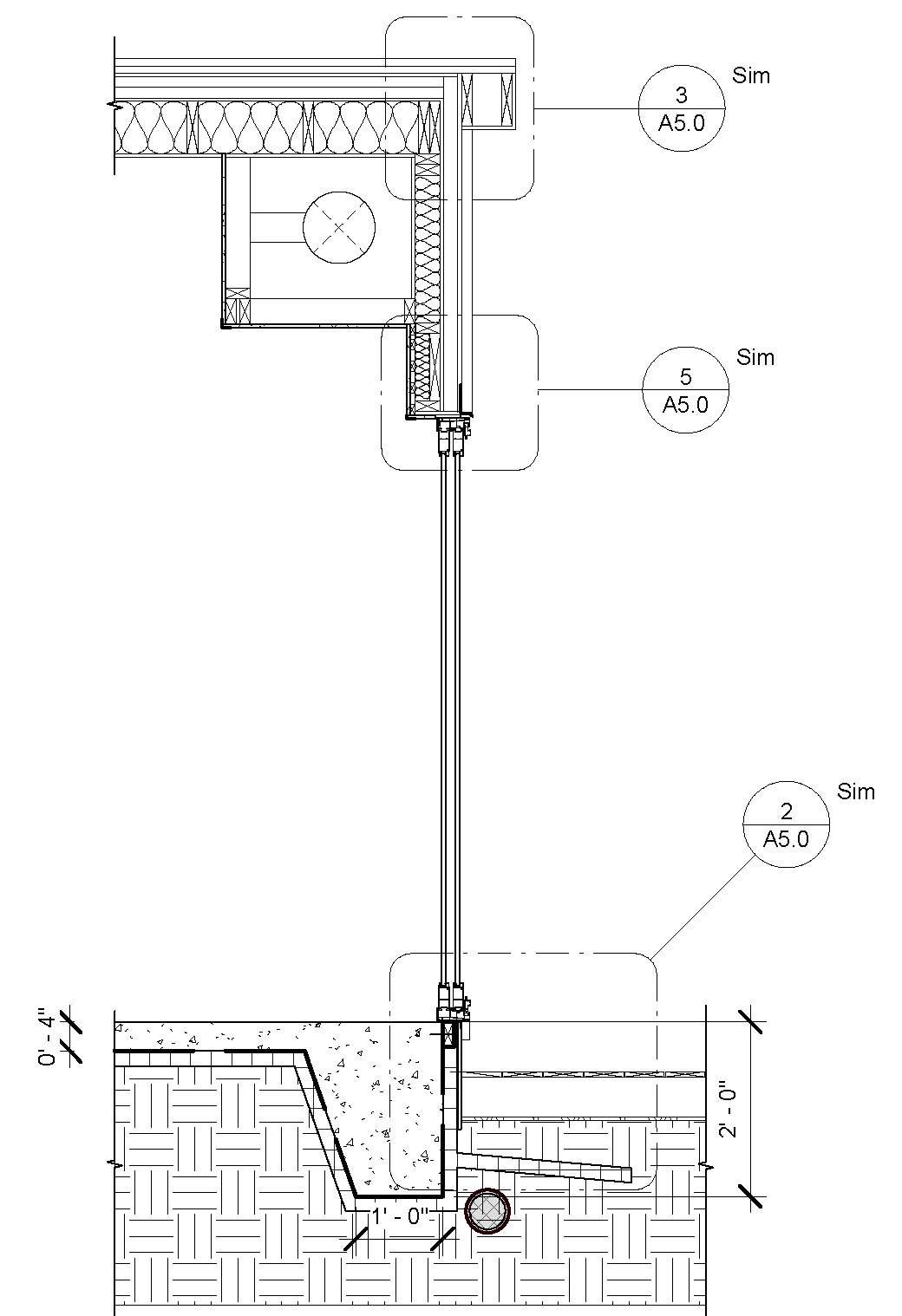
Wall Section C
Unique Wall Sections in the Design
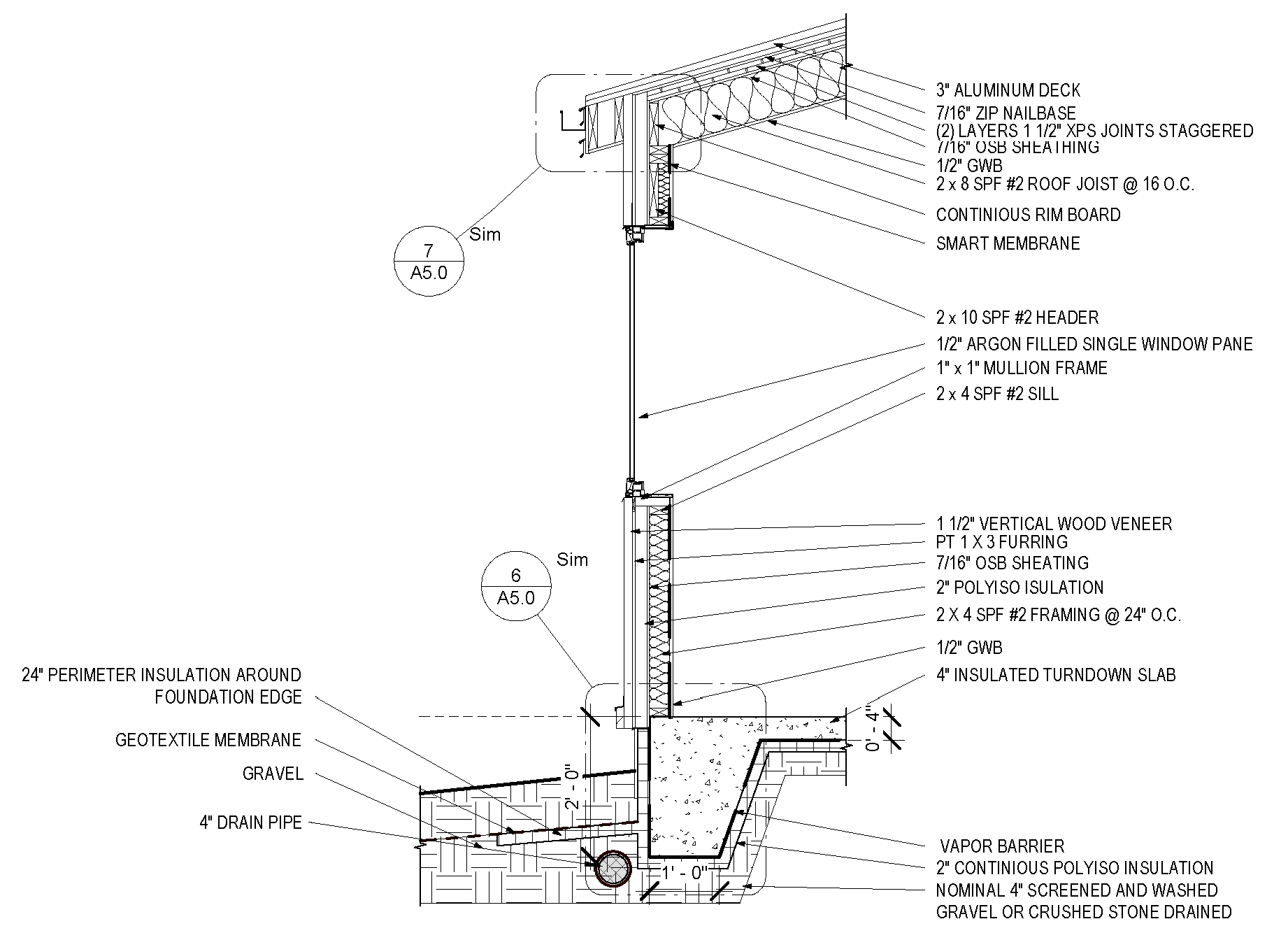
Typical Wall Section
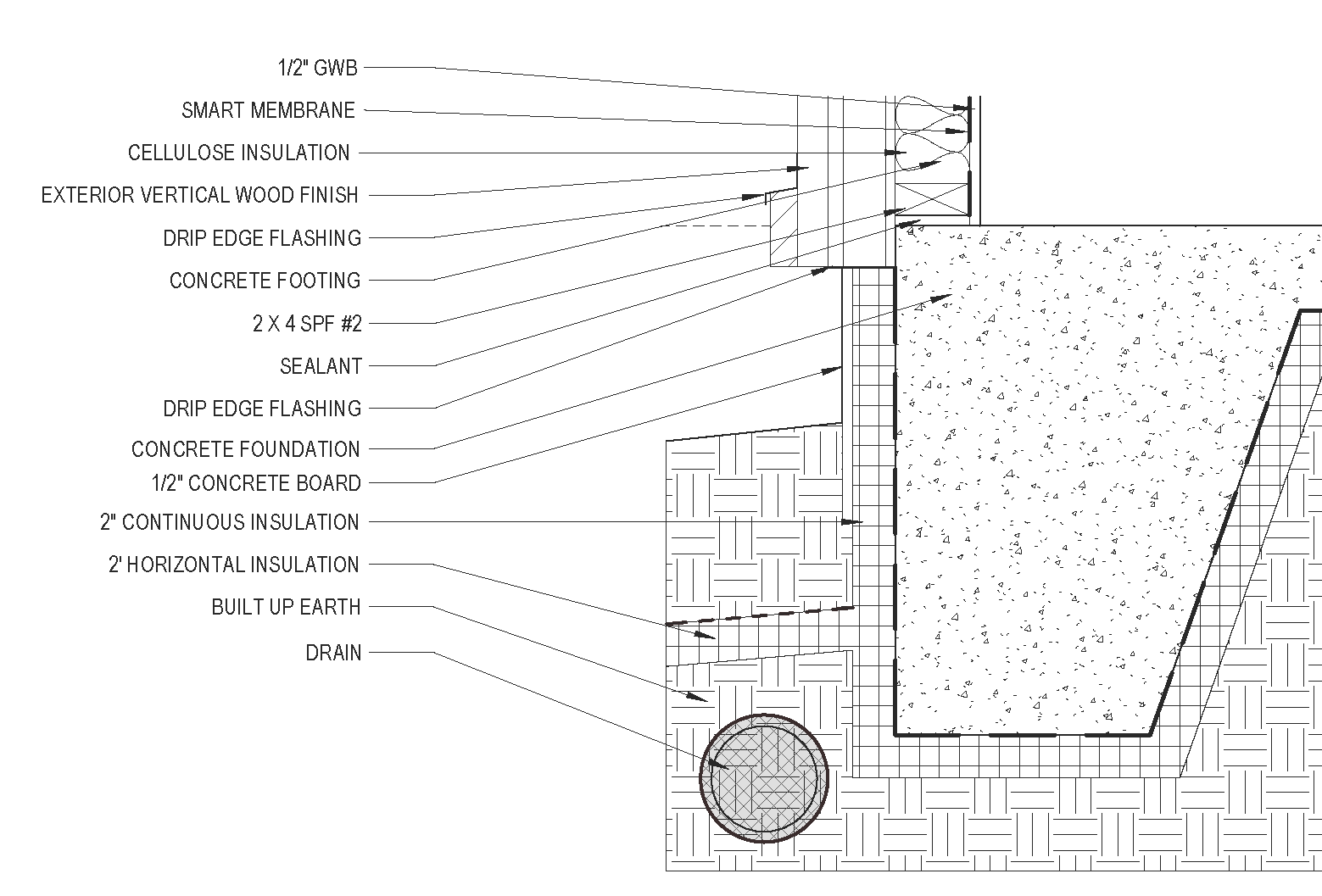
Concrete Footing Edge Detail
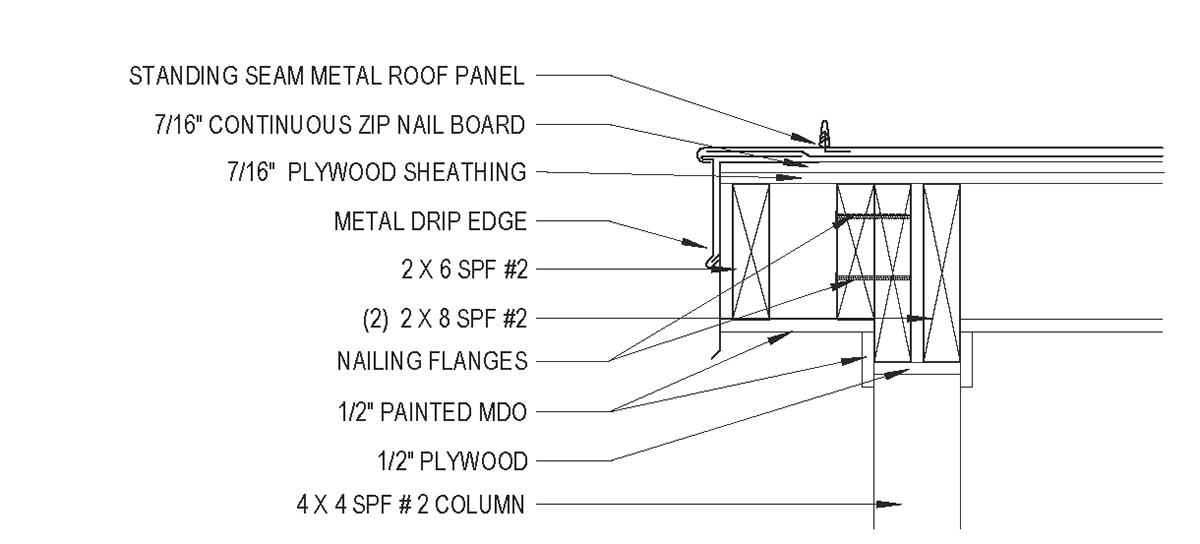
Patio Column Roof Edge Detail
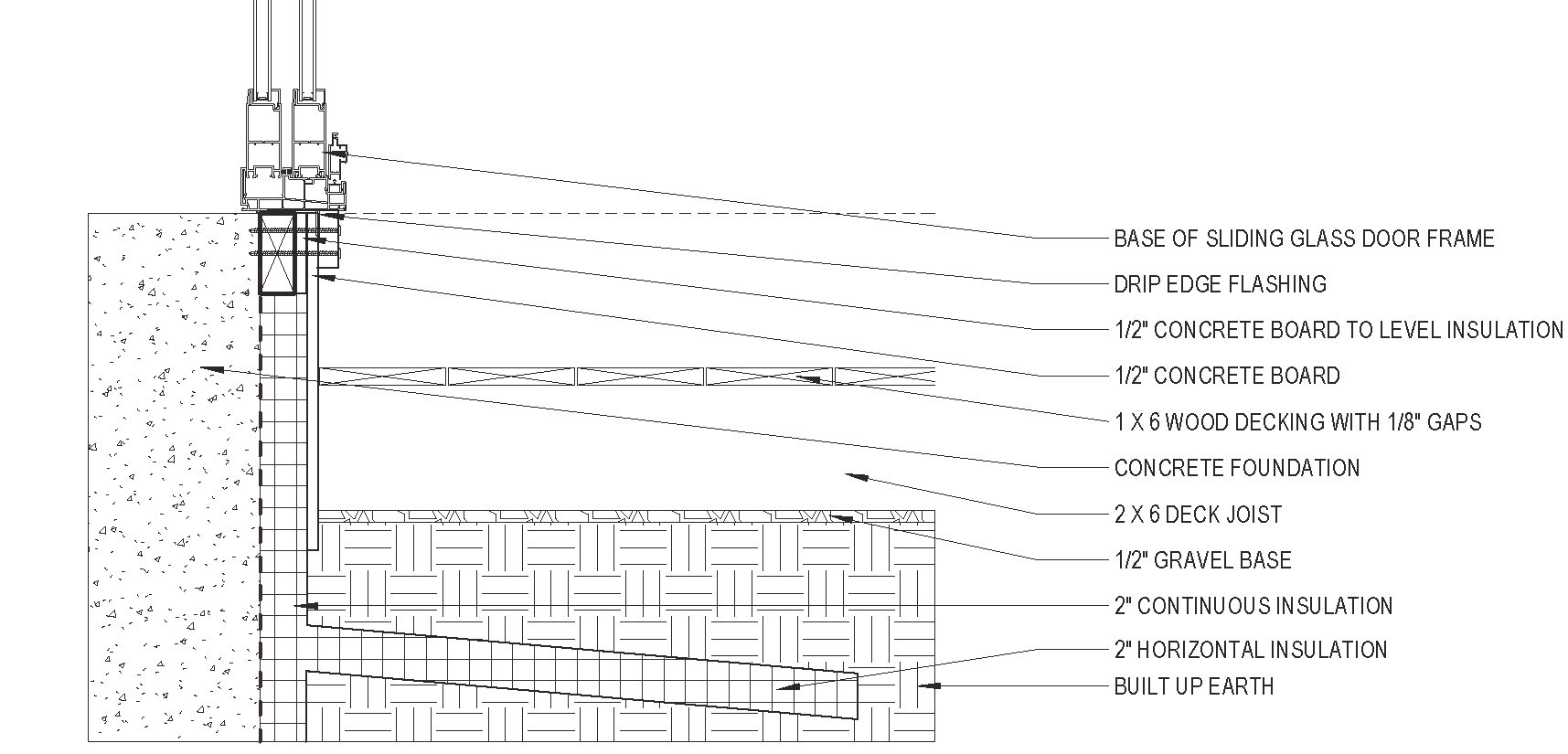
Patio Sliding Glass Door Detail
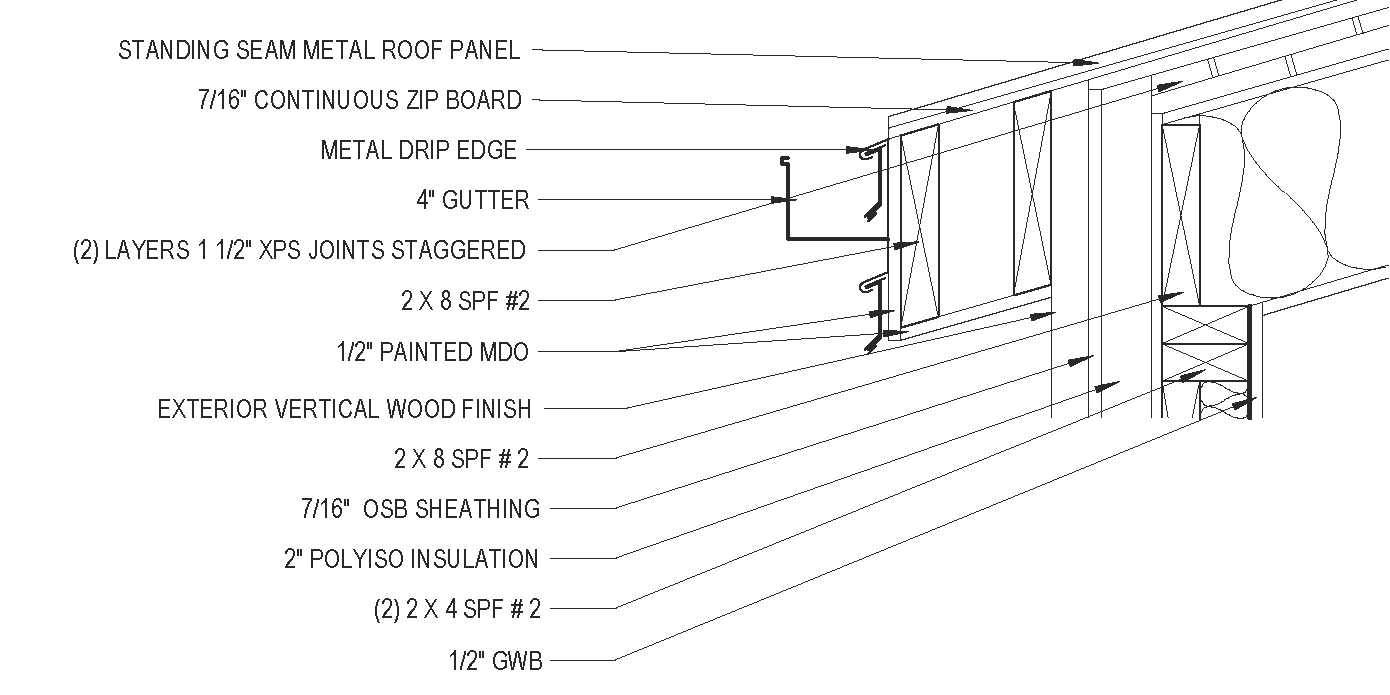
Roof Gutter Edge Detail
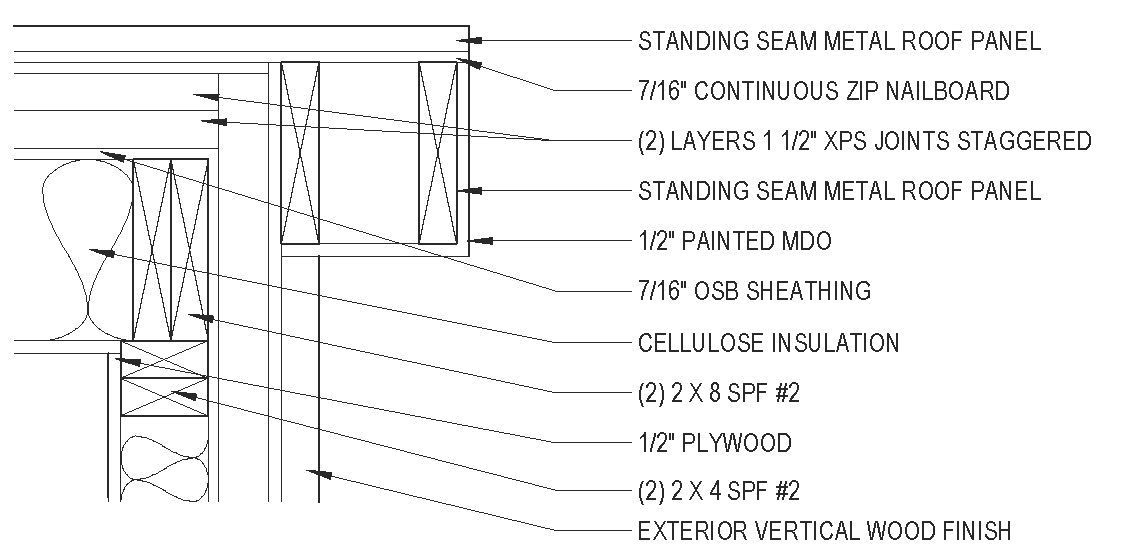
Roof Edge Overhang Detail
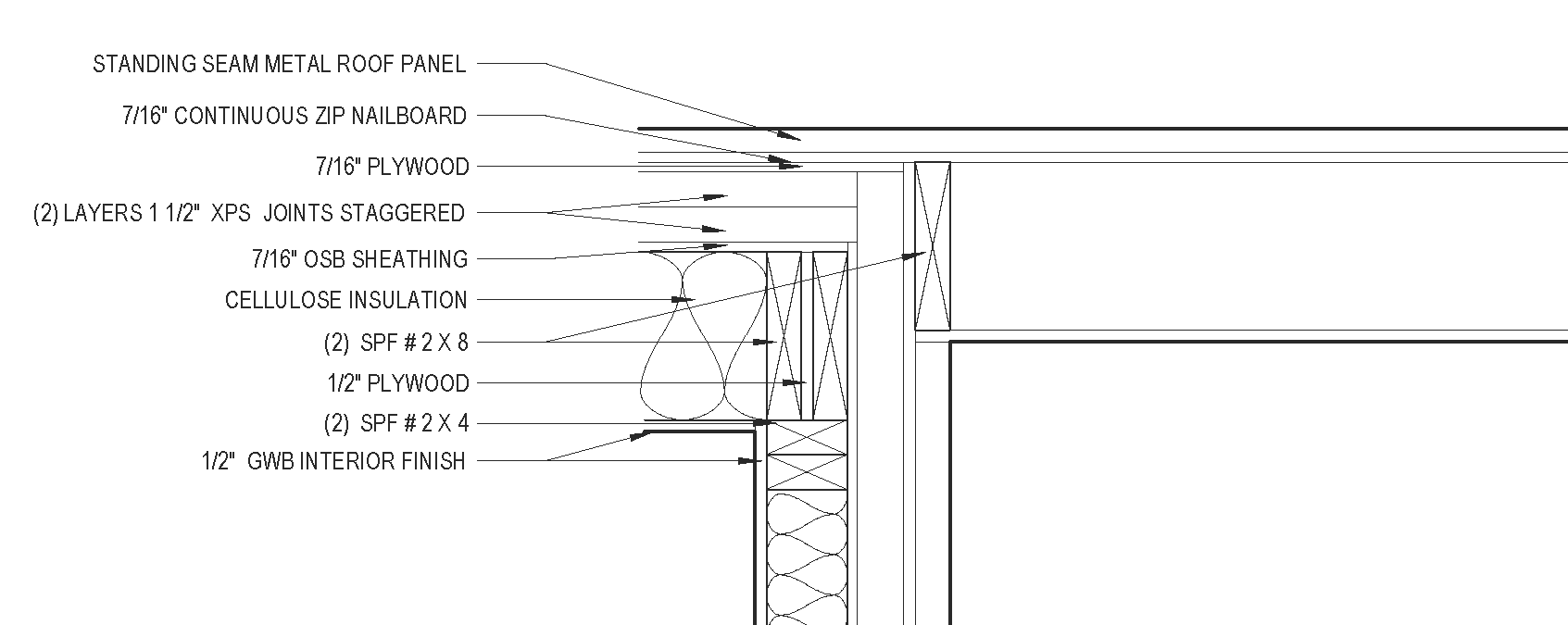
Roof Edge to Patio Detail
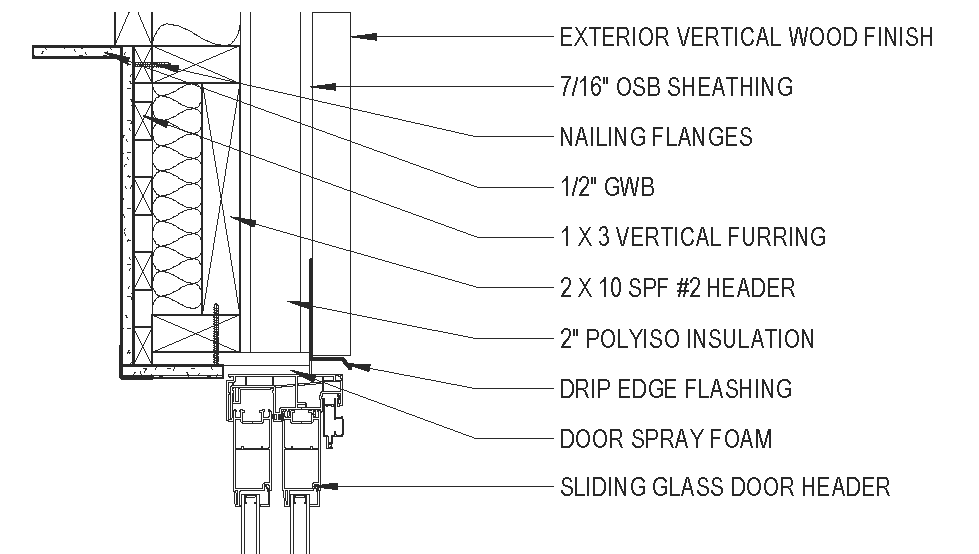
Sliding Glass Door Header Detail
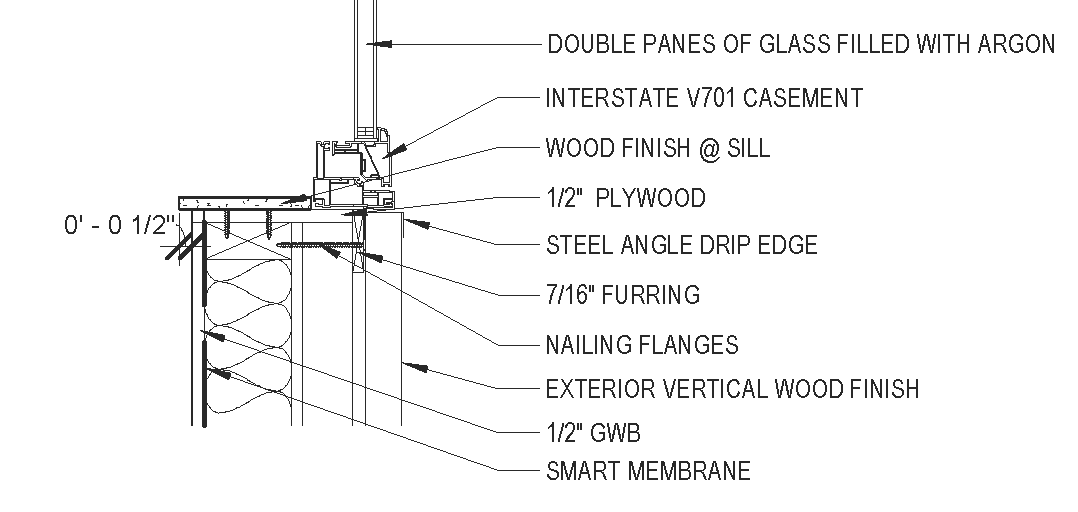
Window Sill Detail
Unique Details
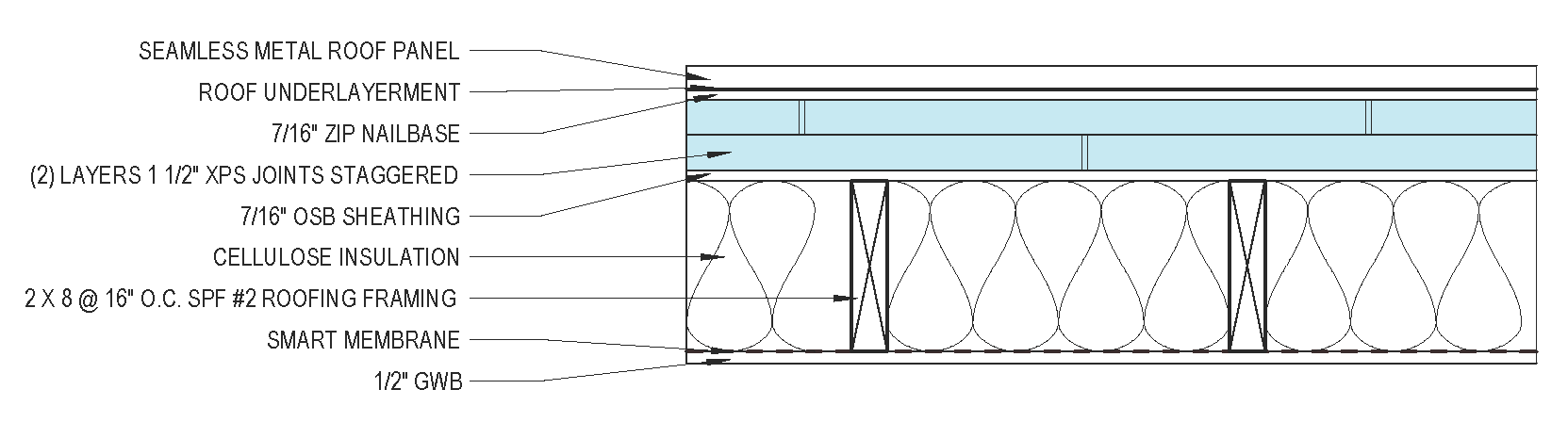
Typical Roof Detail
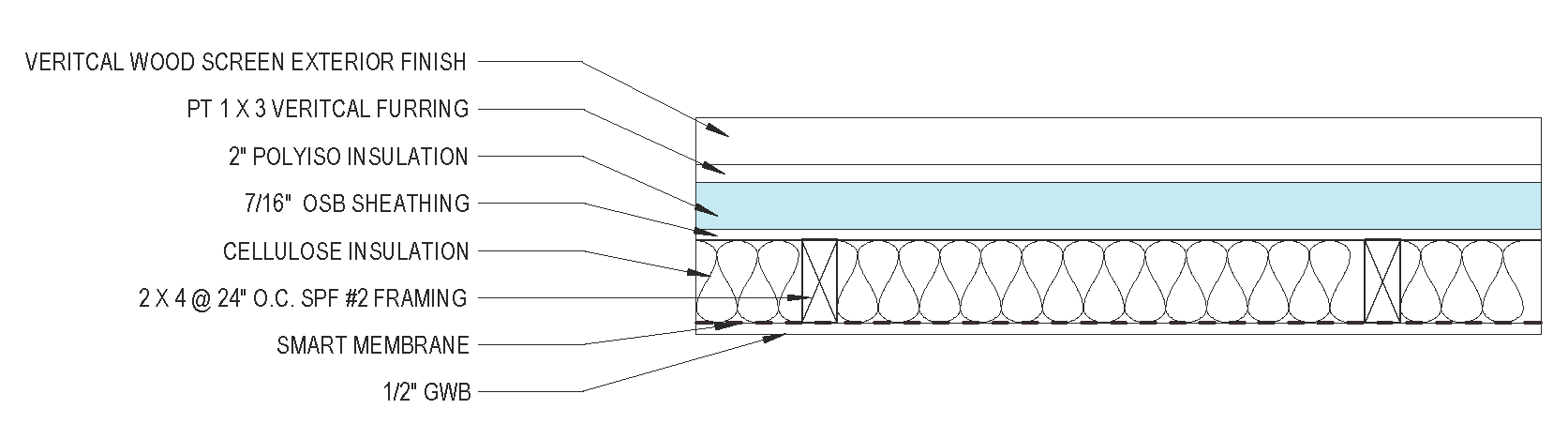
Typical Wall Detail
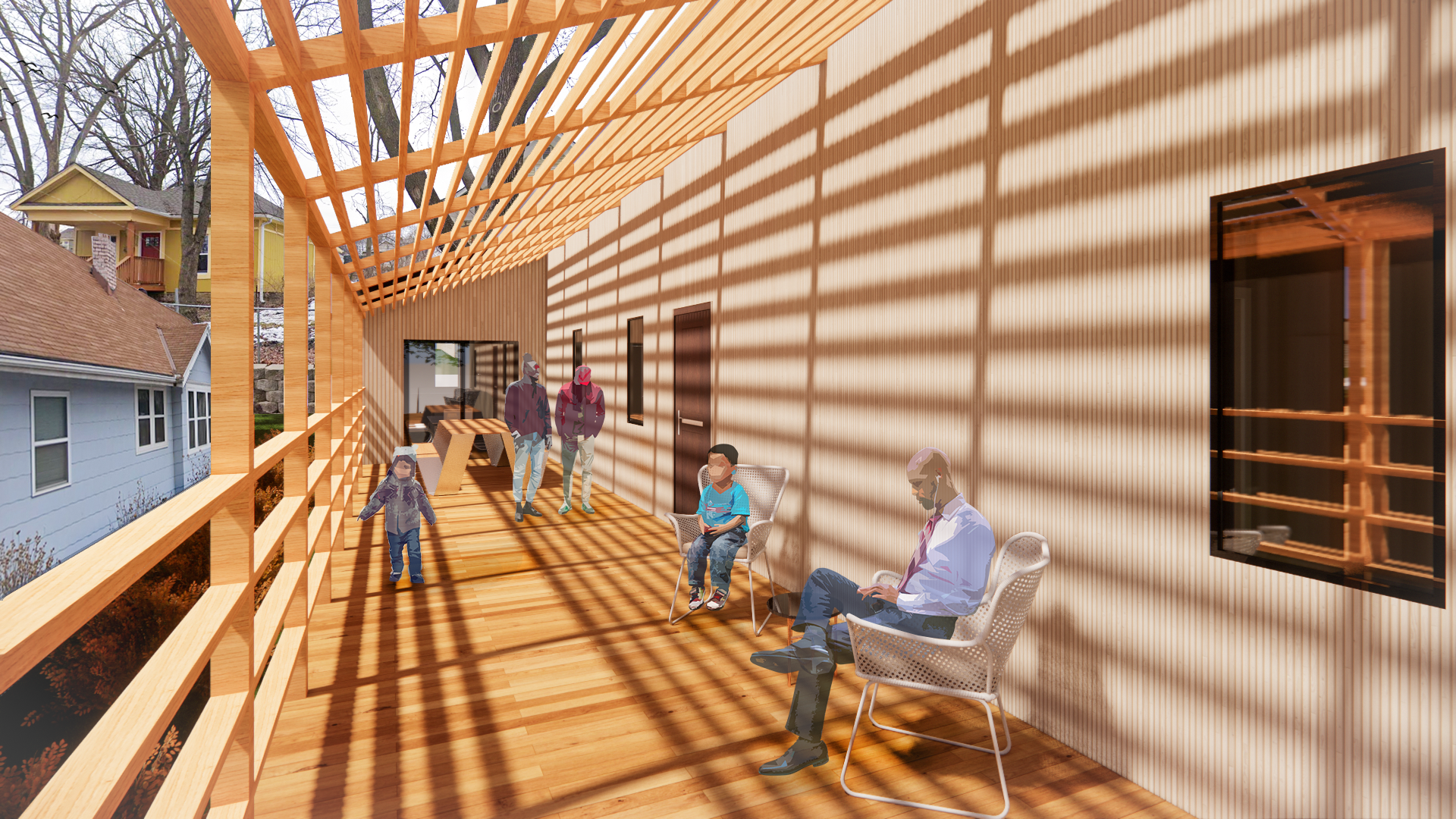
Daily Entry for Resident Sequence
The most unique design feature of the NET+ house is the back patio space that can be adaptable for public or private needs. A flexible space is crucial for affordable housing projects which also helps creates sun shade and light play for cost and experience. With flexibility as a major feature of the design, even the back patio space is made available for adaptive reuse in the future if the residents need more space. The design with the main hallway axis allows for more bedrooms, bathrooms, storage, or anything else to be added to the house in the future.
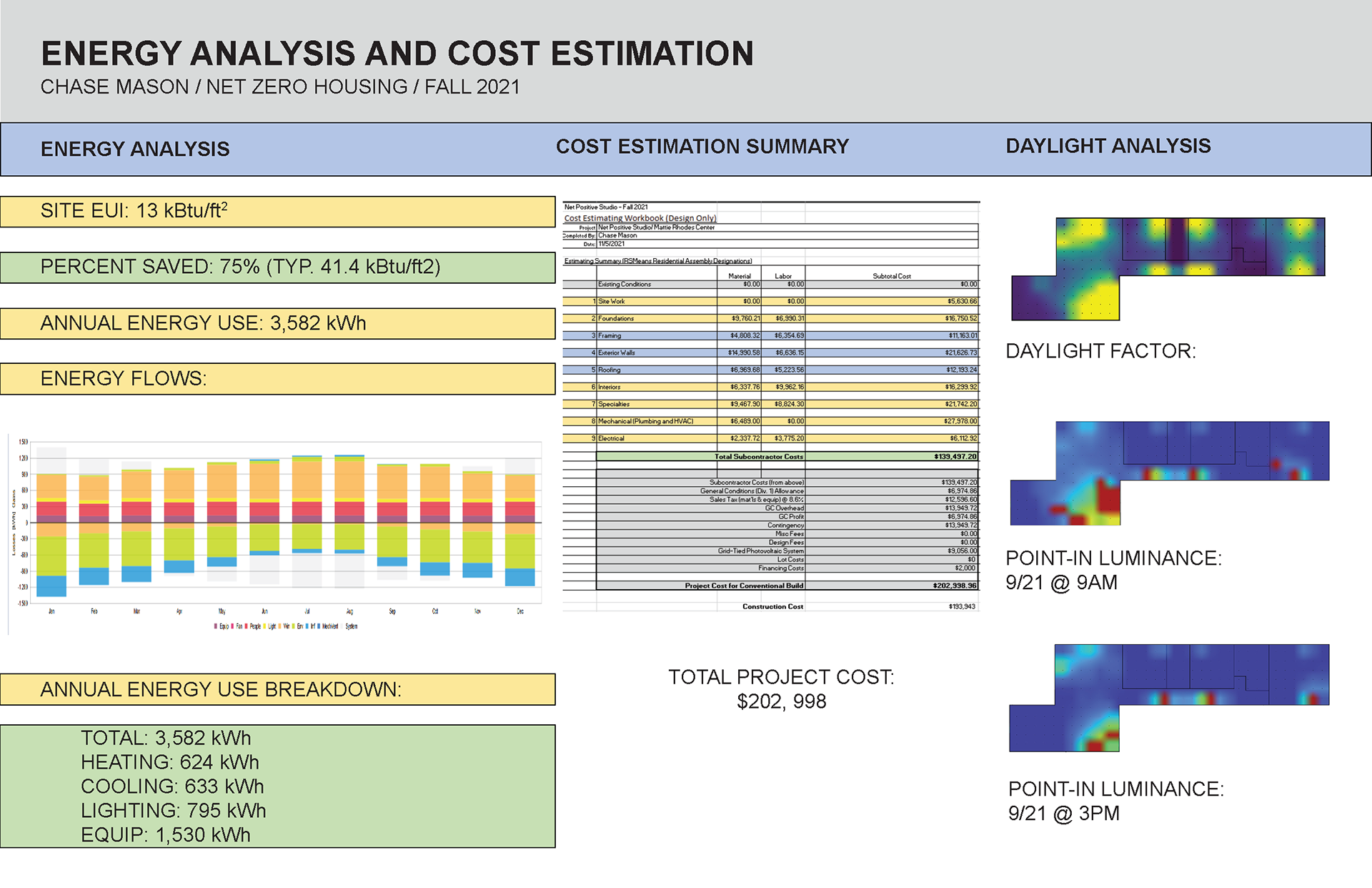
The main goal of the studio was pretty simple, to showcase that good design can also be affordable and even net positive. The ongoing housing crisis in the United States is a serious issue that as young architects we can help slow down and even hopefully one day stop. According to the U.S. Energy Information Administration "in 2020, the average annual electricity consumption for a U.S. residential utility customer was 10,715 kilowatt-hours (kWh), an average of about 893 kWh per month", meanwhile this home projects only 3,582 kWh annually energy usage with proper insulation, maintenance, and use. This studio really celebrated the true essence of why we do architecture. For people. Architecture at its roots is all for people and by people and by looking to strengthen and grow the communities around us we can create positive change in people's lives through the built environment.