
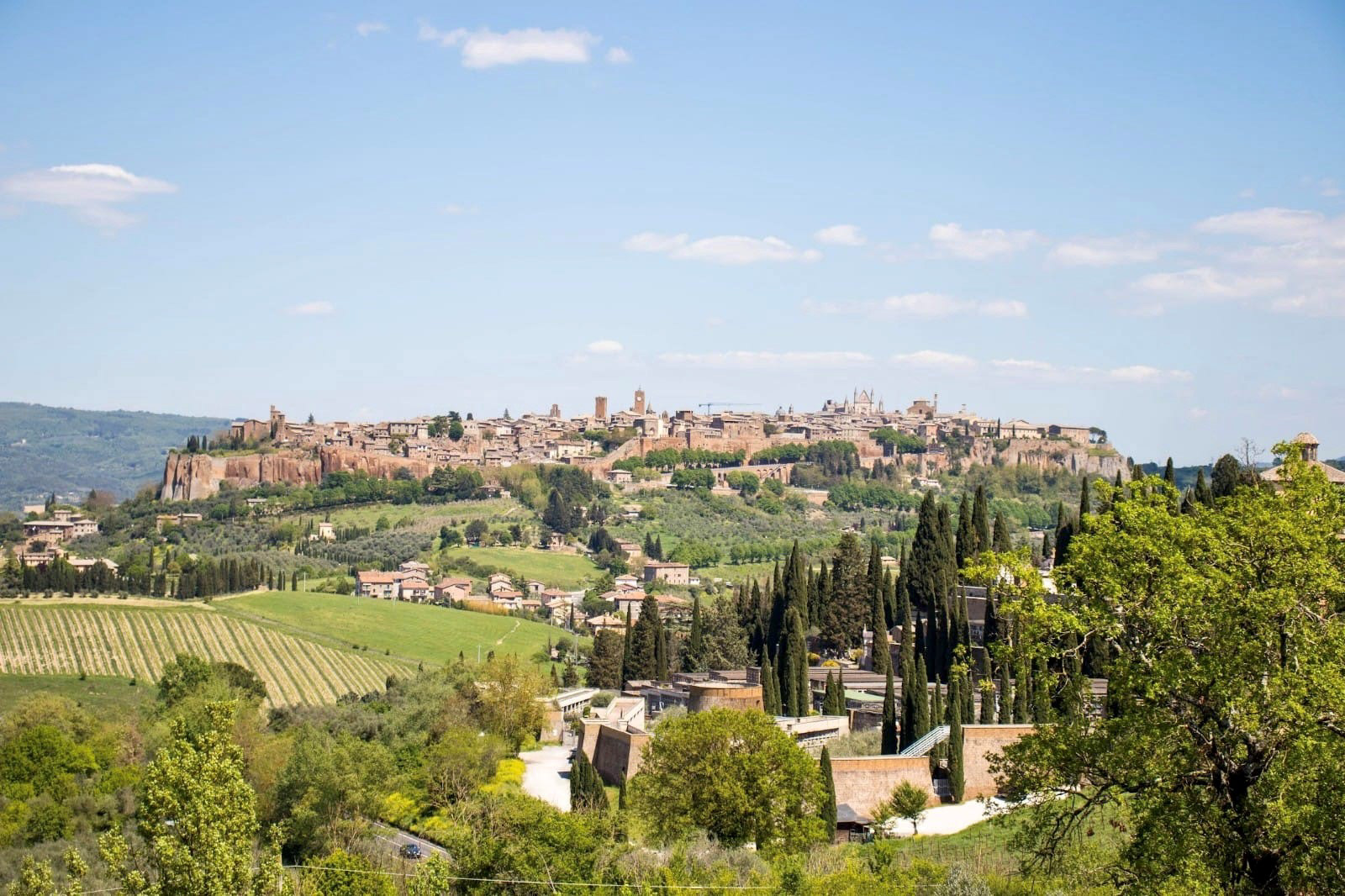
Orvieto, Italy
The opportunity to study abroad in the small hilltop town of Orvieto, Italy was life-changing. It was a completely different way of life and with that, we got to experience new ways to think about design. With the richness of historical architecture and age in Italy, I think they really focus more on refurbishment and preservation whereas American design I think is slightly more destructive as in they see an opportunity to design something but the area they need, needs to be completely destroyed. With that mindset, we were tasked with redesigning the entry sequence into the city, specifically on the Northeast corner of the city. With it being on a steep hill, there are very few entry points in the city making the entry and exit sequence very important. We learned a lot about Orvieto through an analytical introductory project focusing on the landmarks of Orvieto and how they help you circulate around the city.
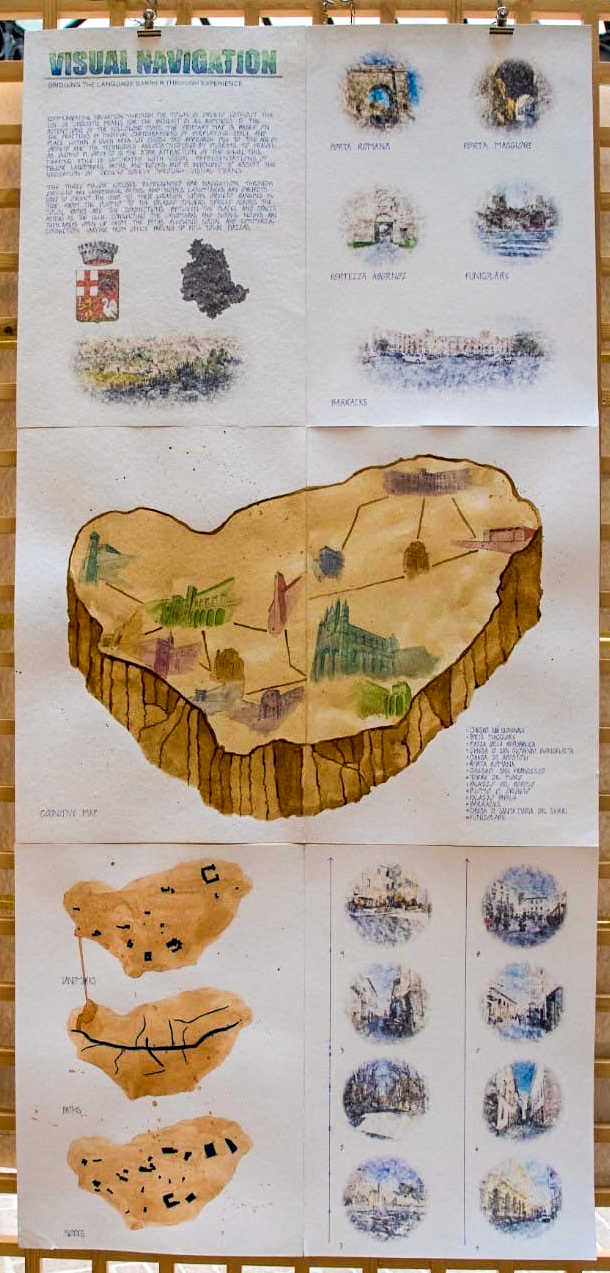
Final Board of the Introductory Project
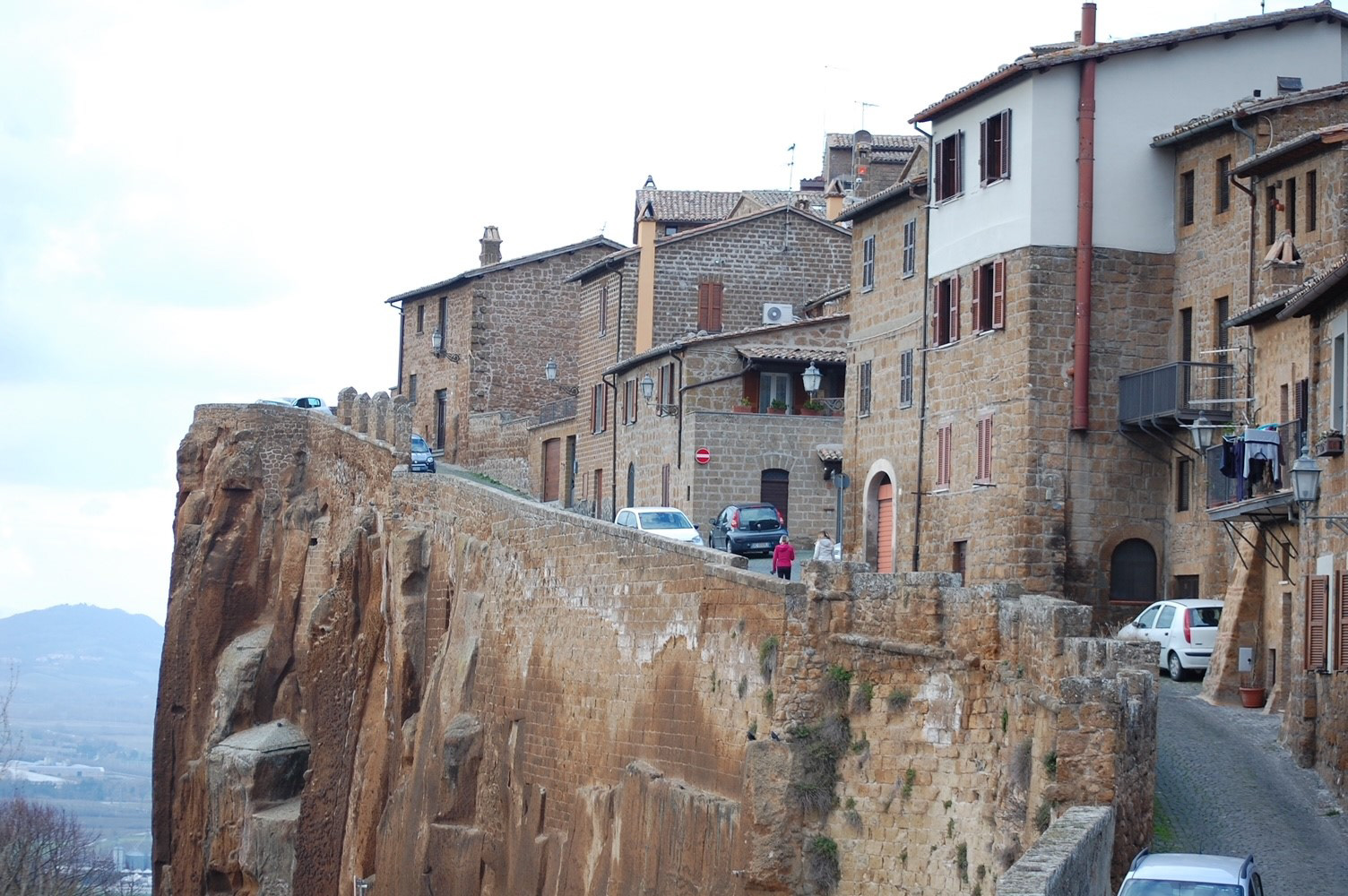
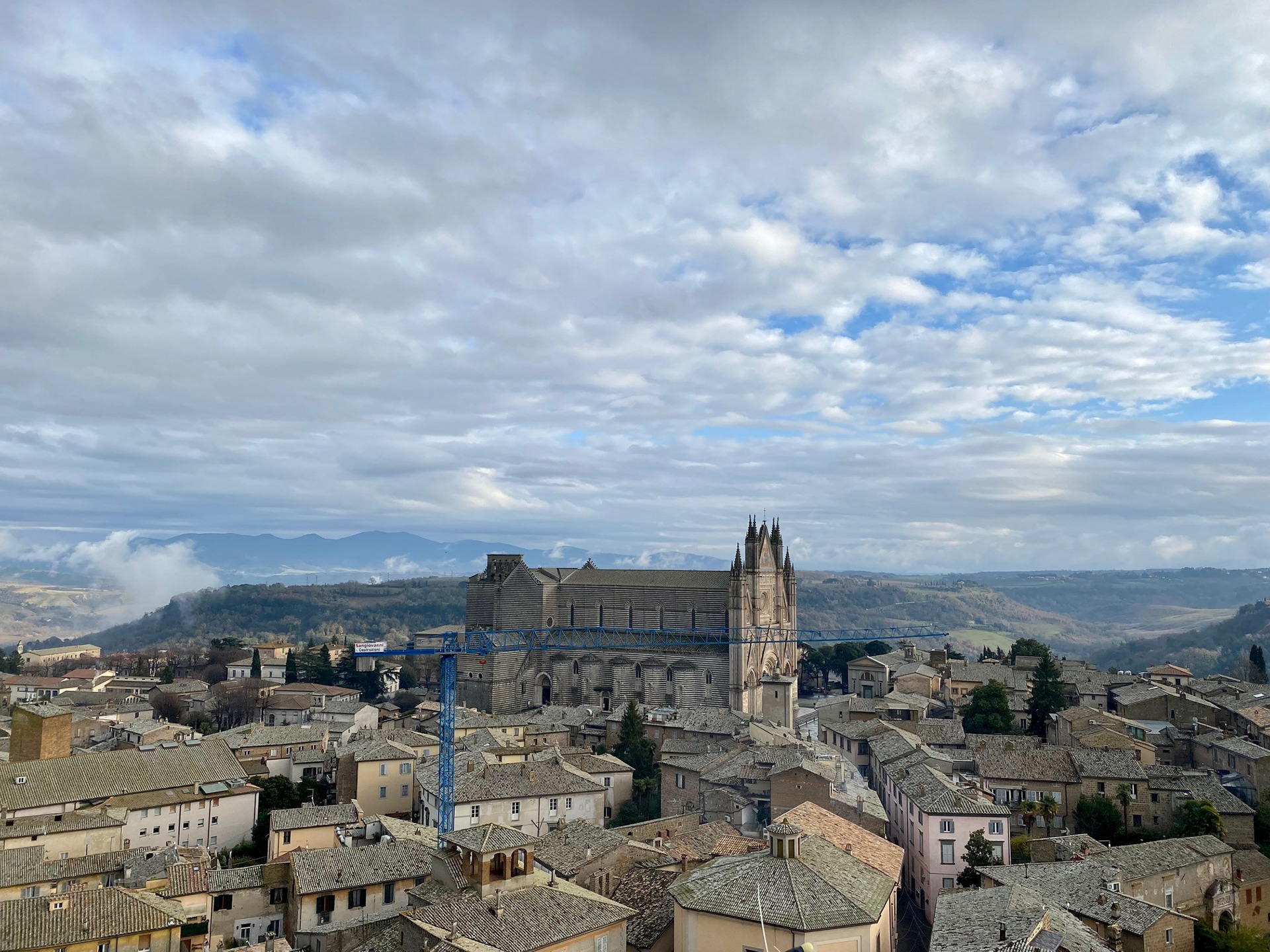
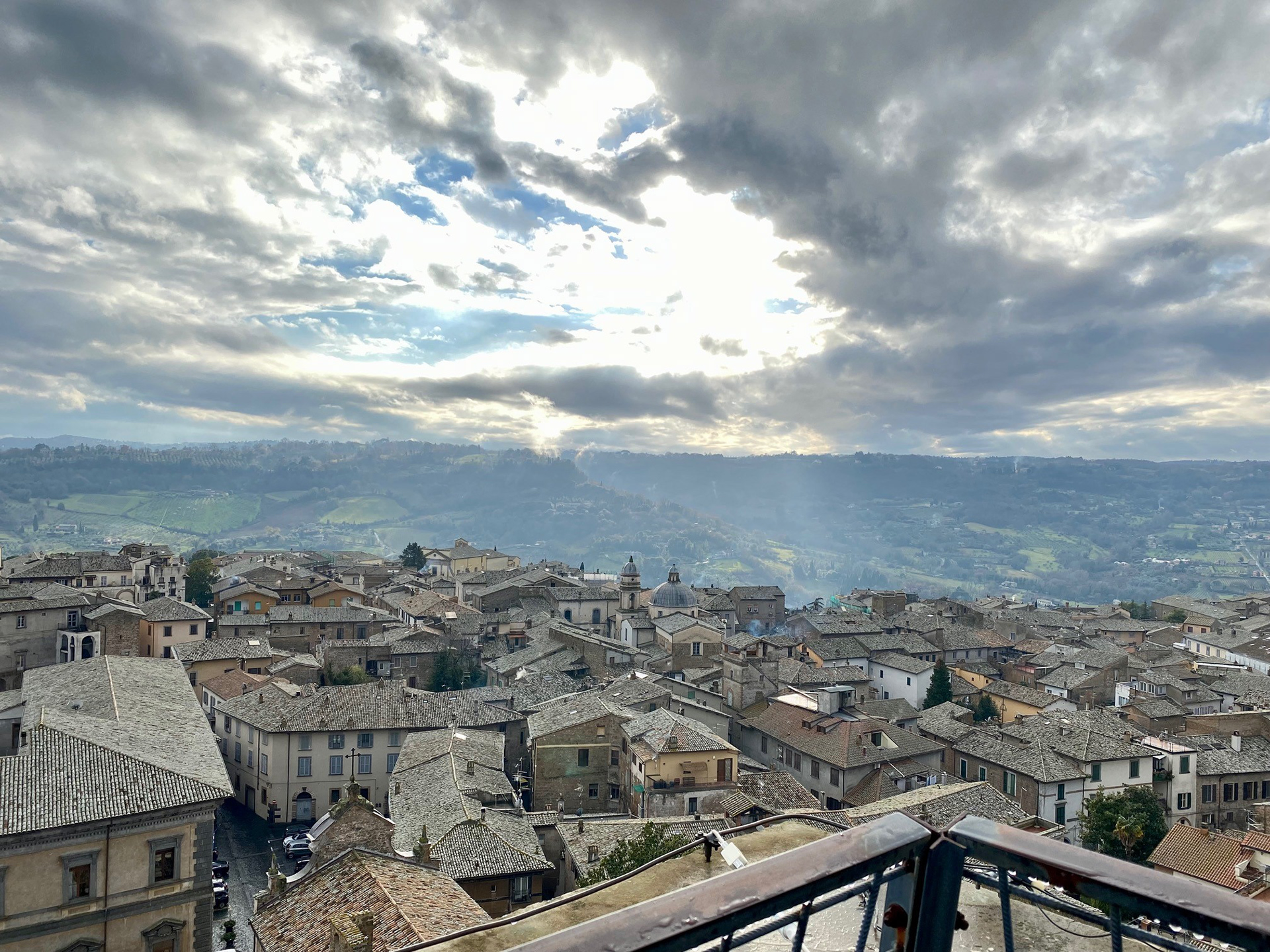
Orvieto, Italy
The studio assignment was a very interesting experience. First, it was a group project, which for the studio was rare, and second, the final boards were all by hand. We could you computers to print images to trace, transfer, etc. but no Revit, Rhino, or AutoCAD. With the project being focused on the entry and exit sequence in Orvieto most people focused on the former barracks or the funicular cable car that brings you up to Orvieto from the train station.
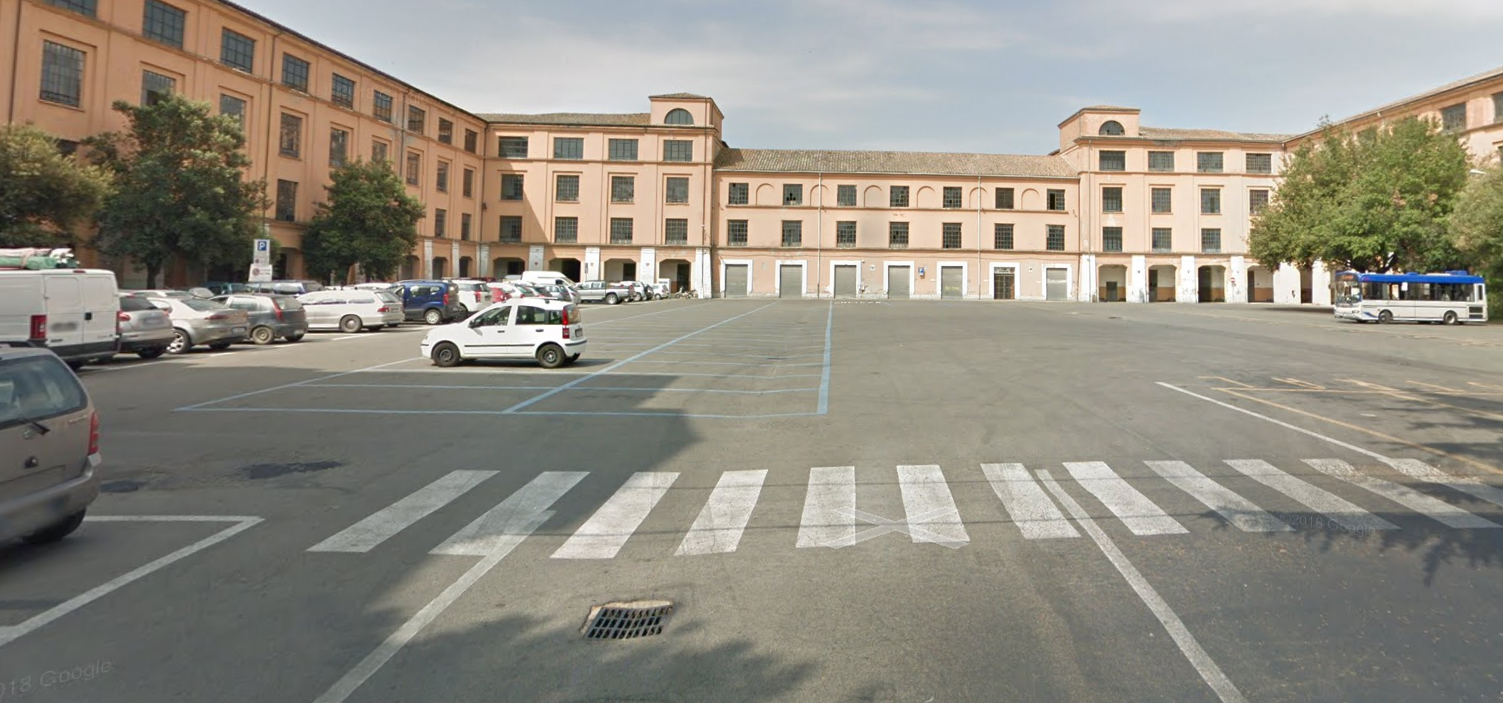
La Caserma
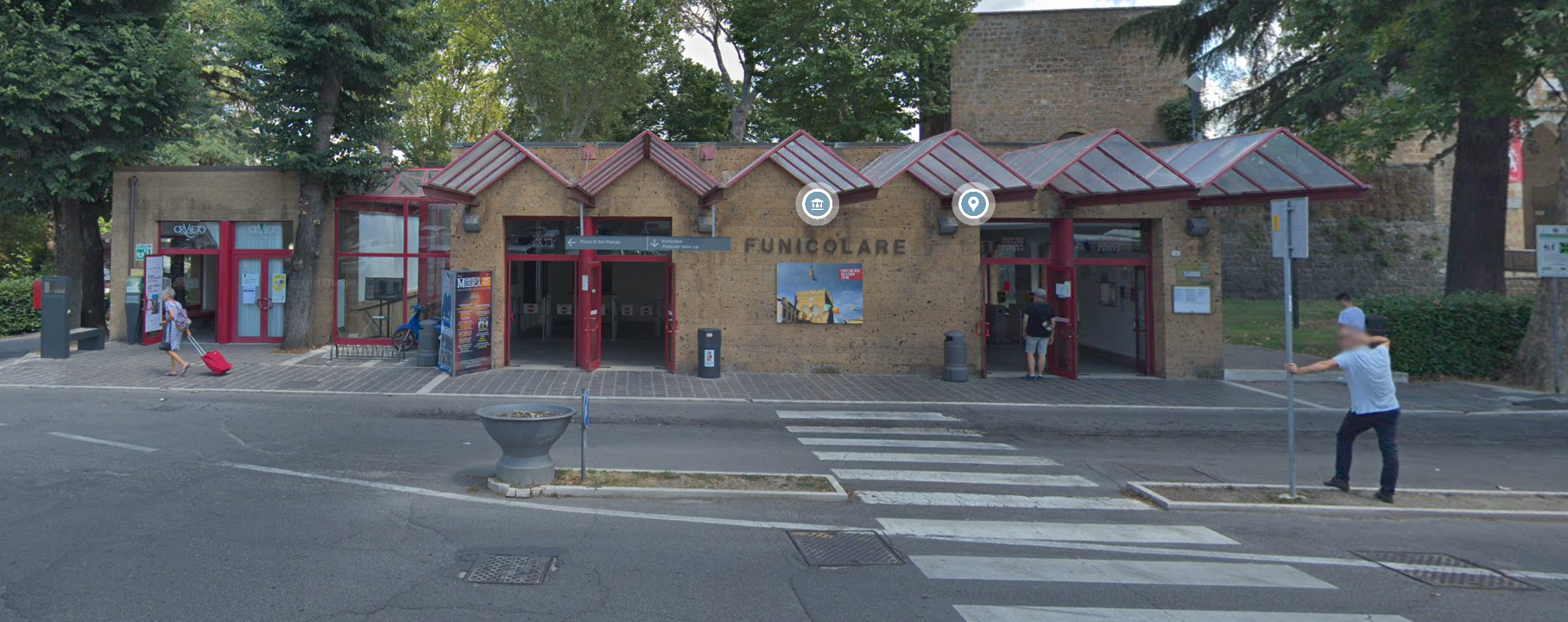
Funicolare
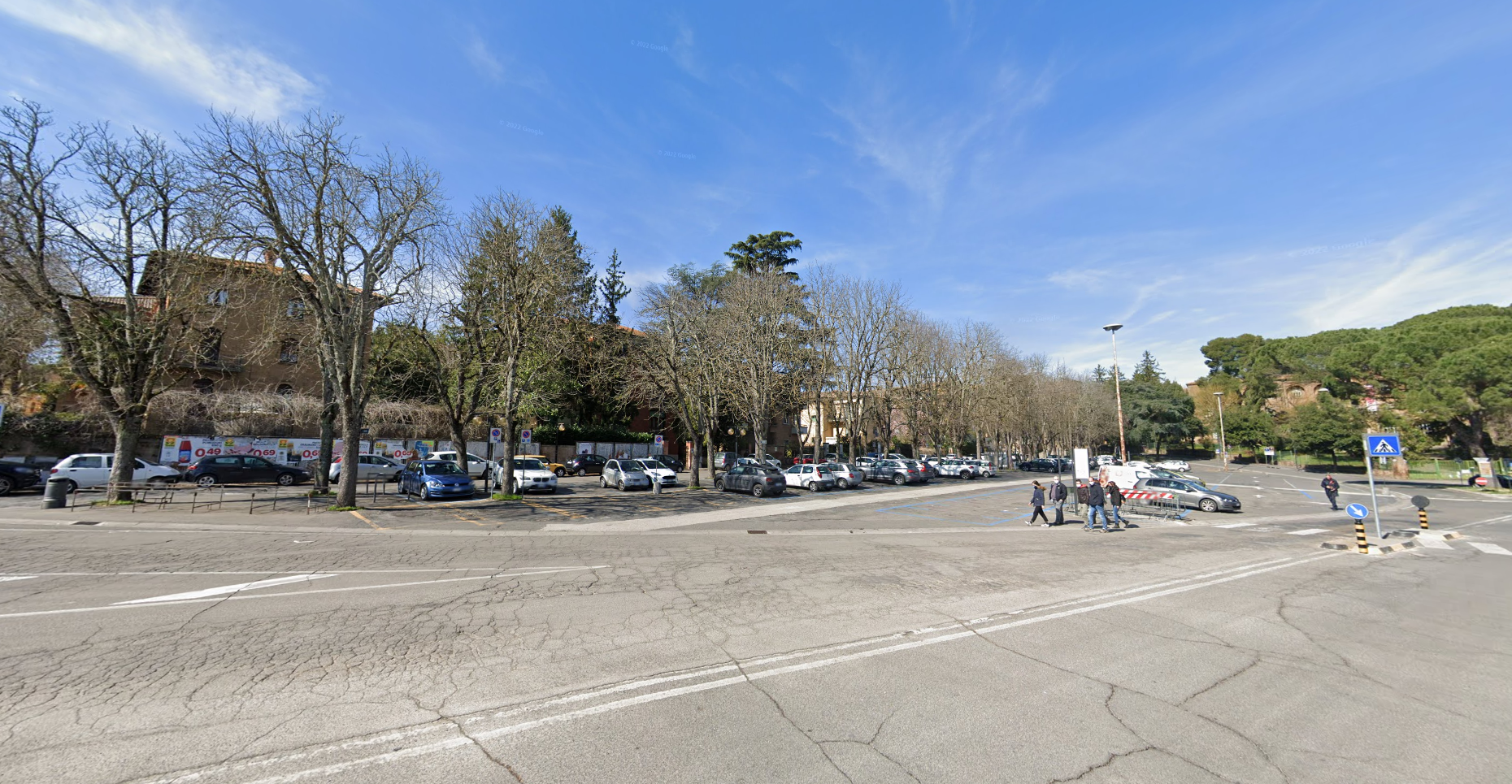
Piazza Cahen
Examples of the main areas of focus for most groups as shown above.
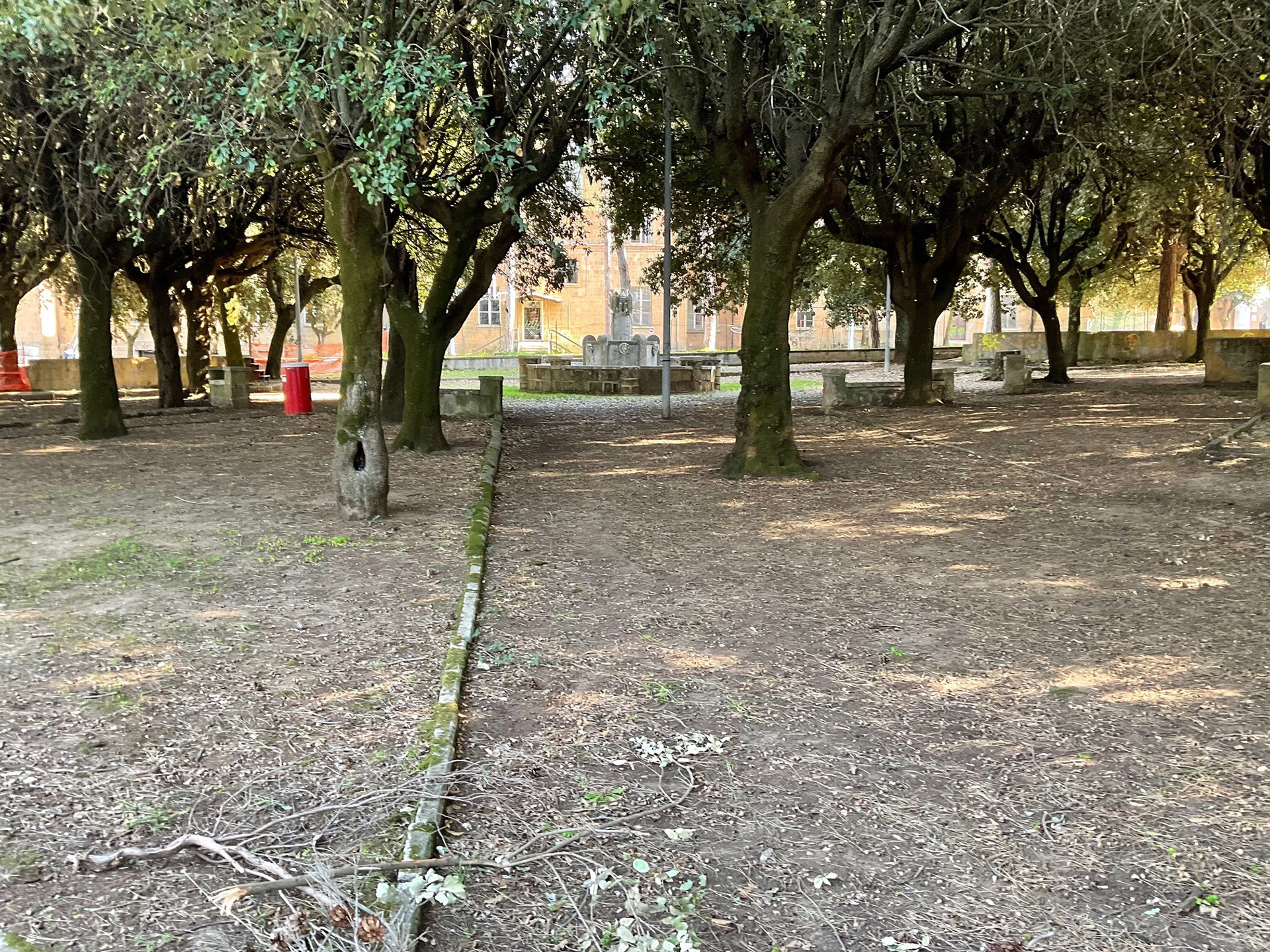
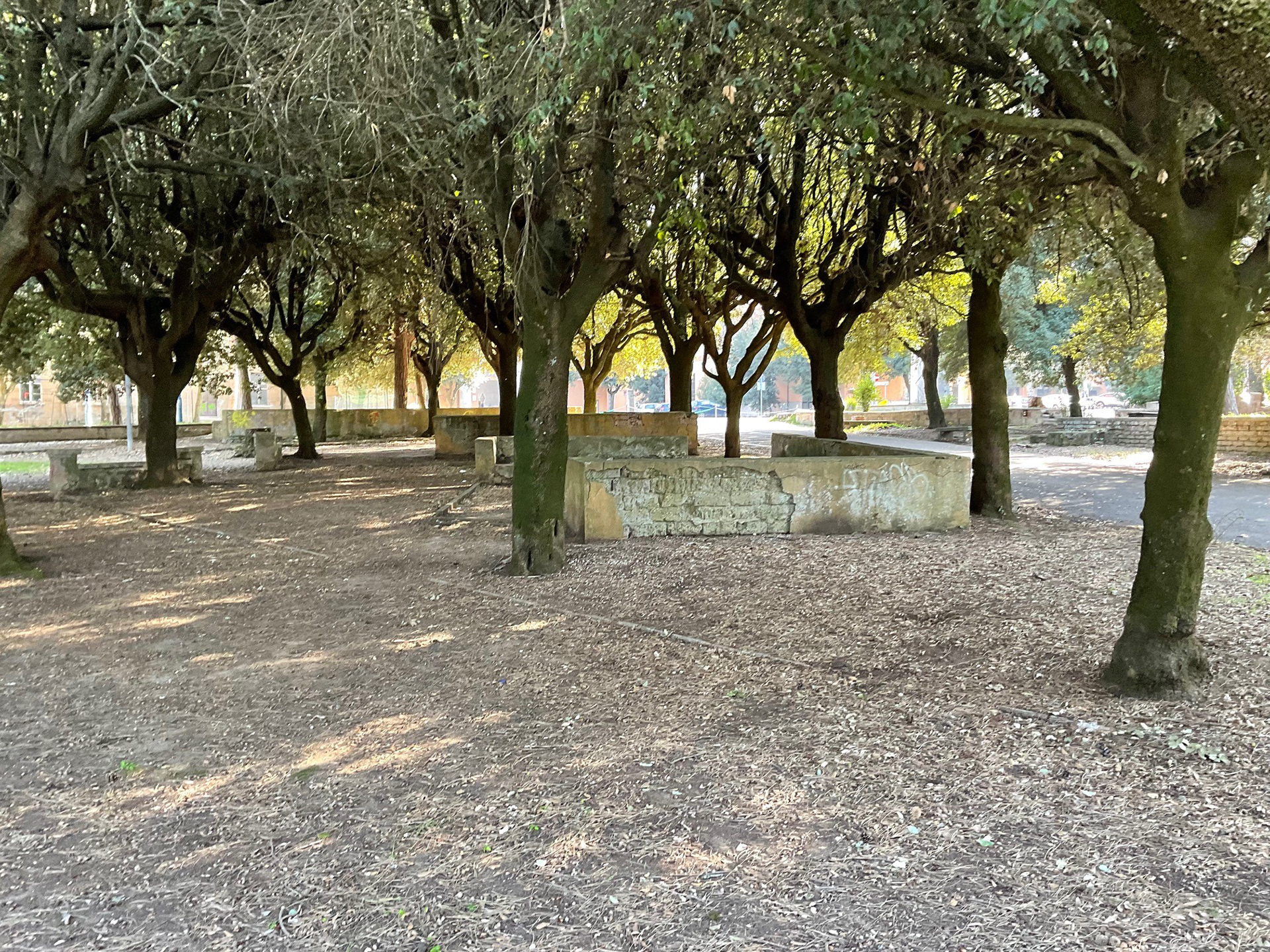
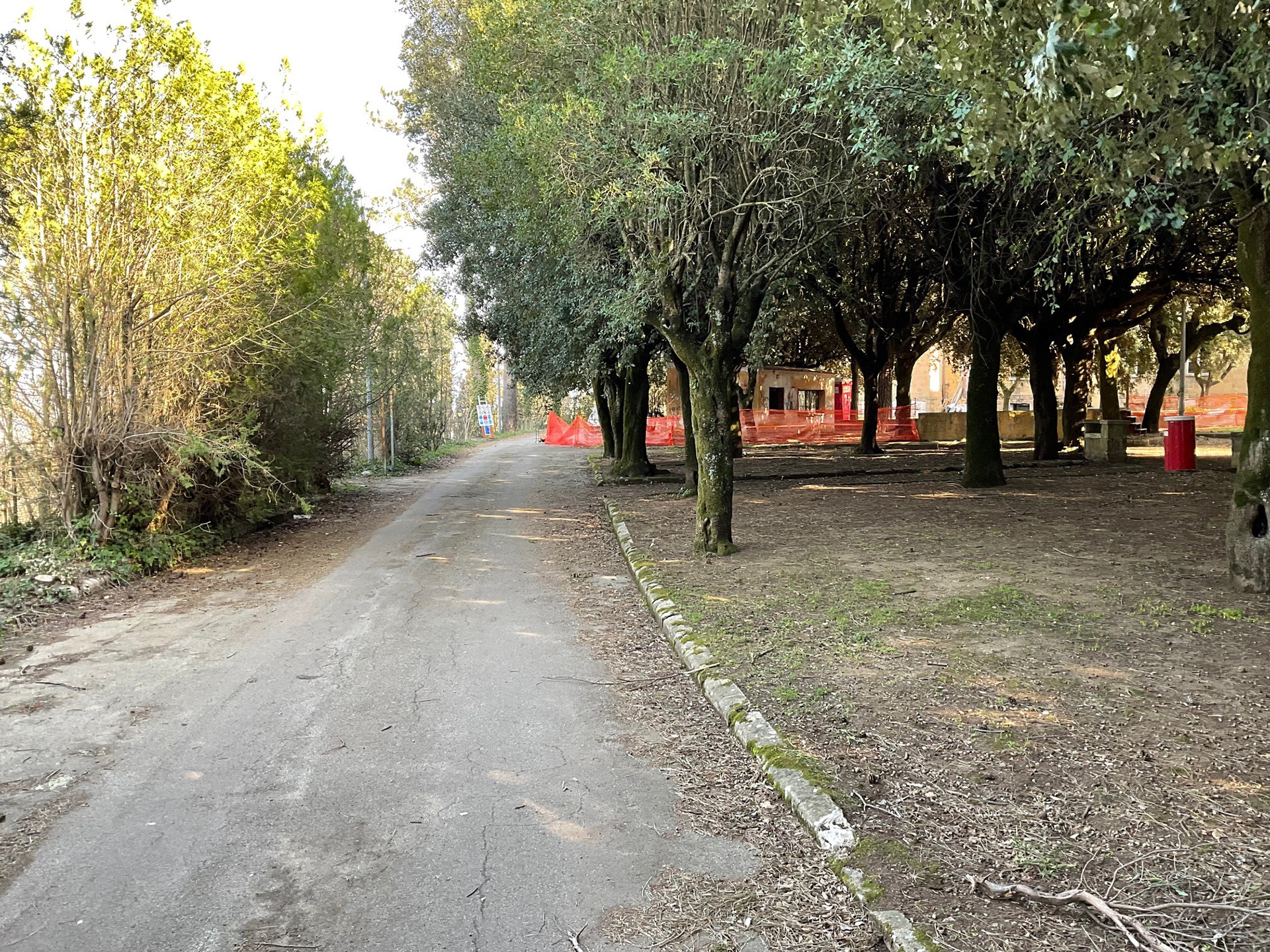
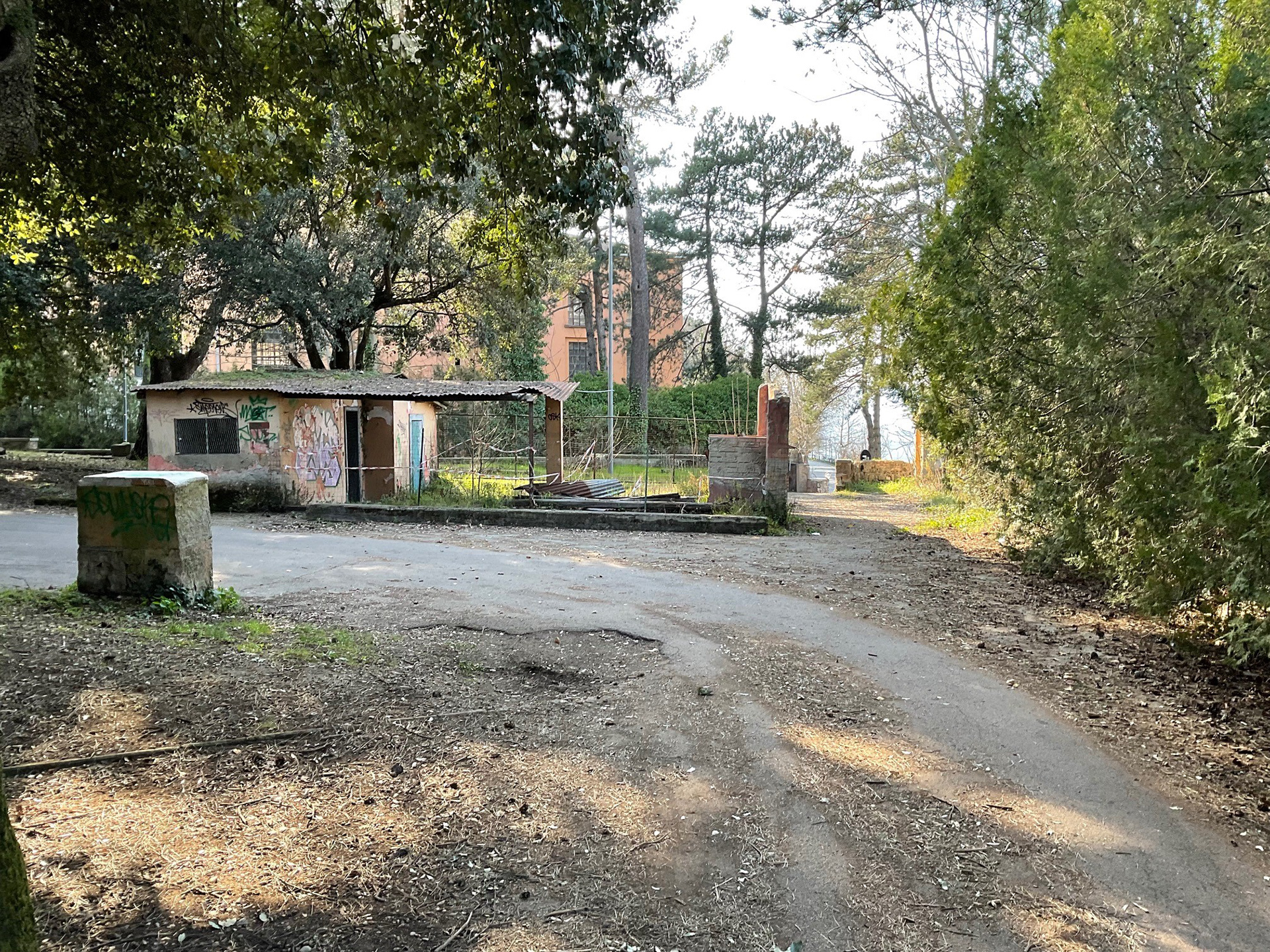
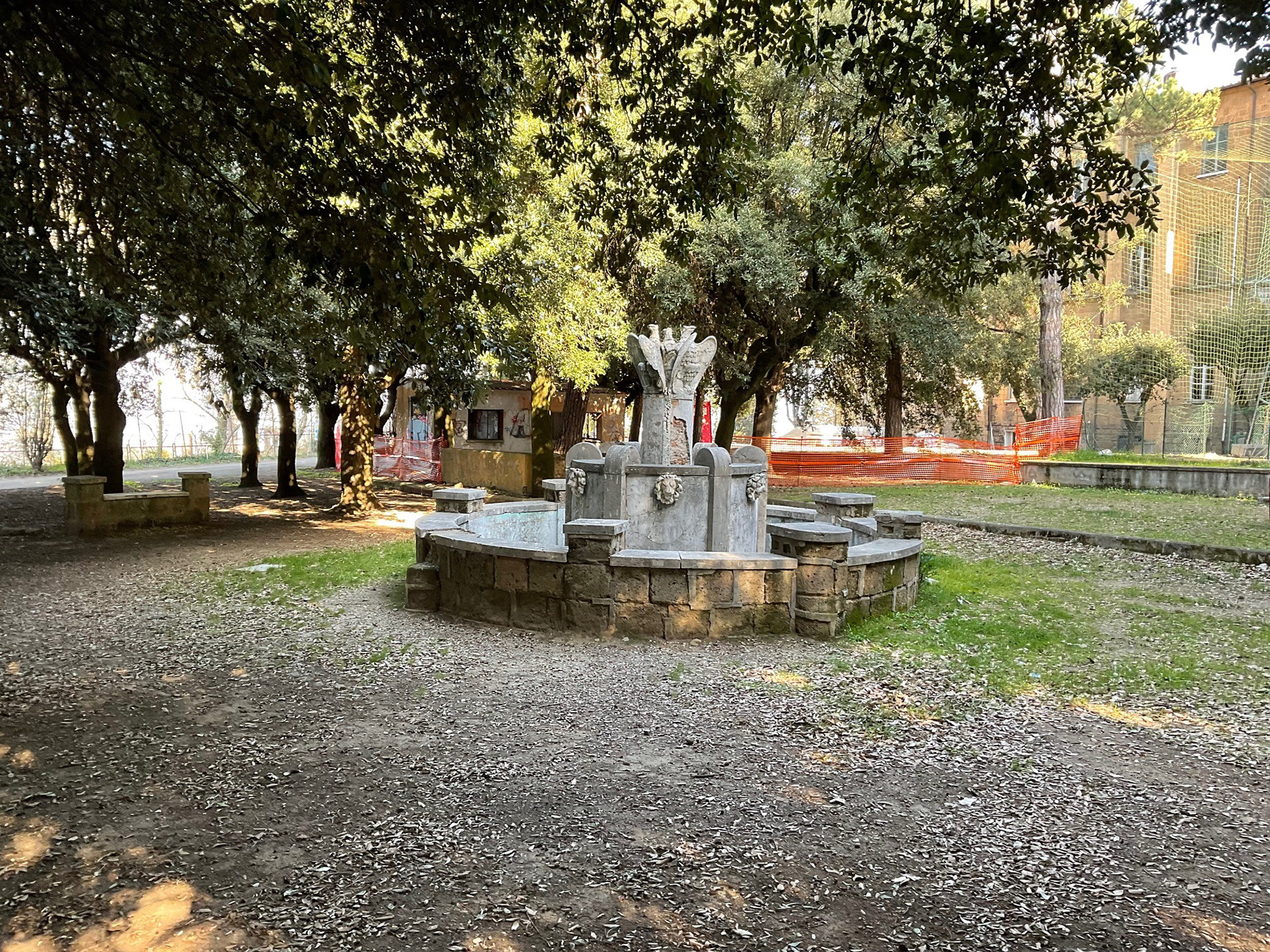
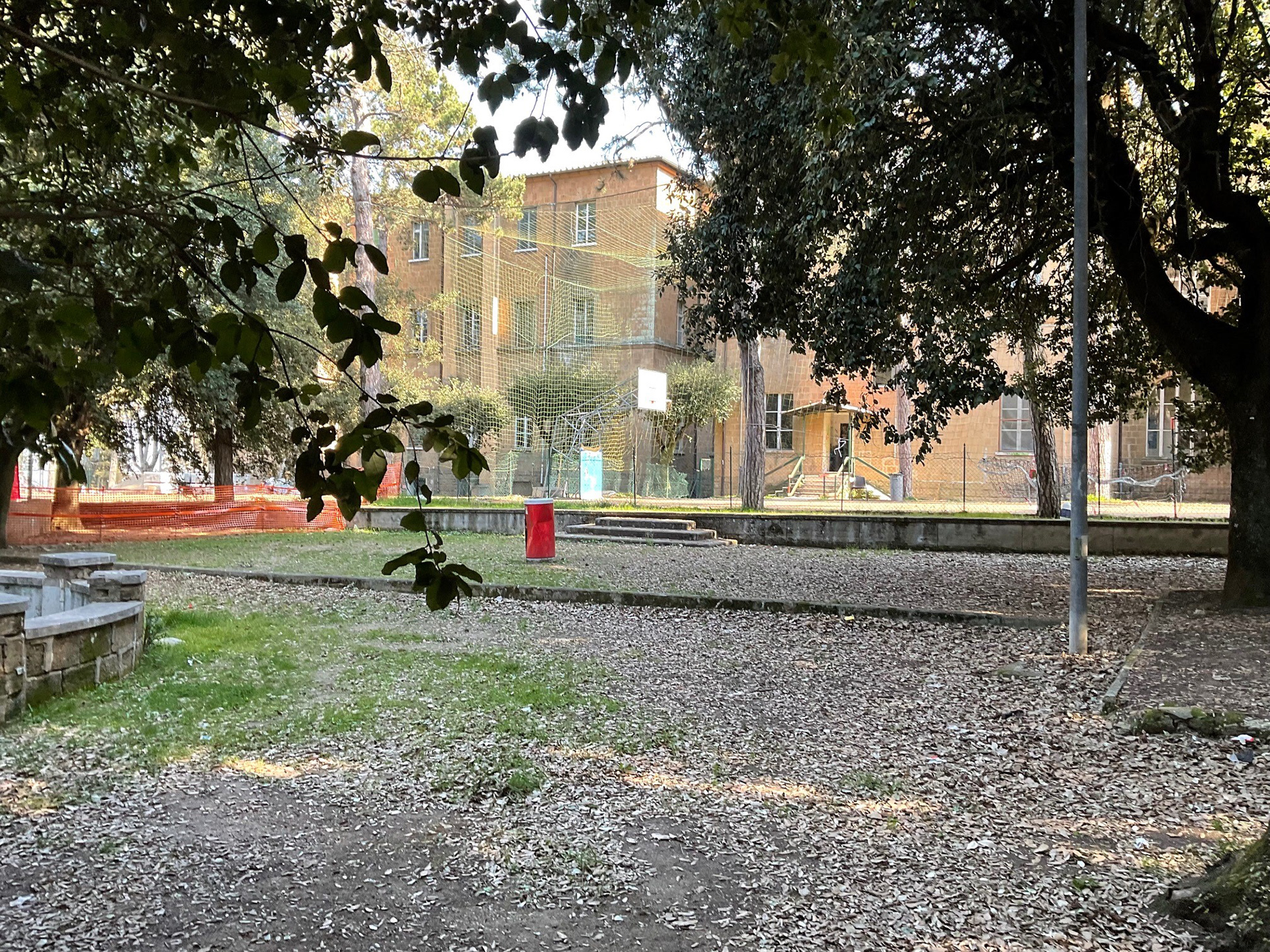
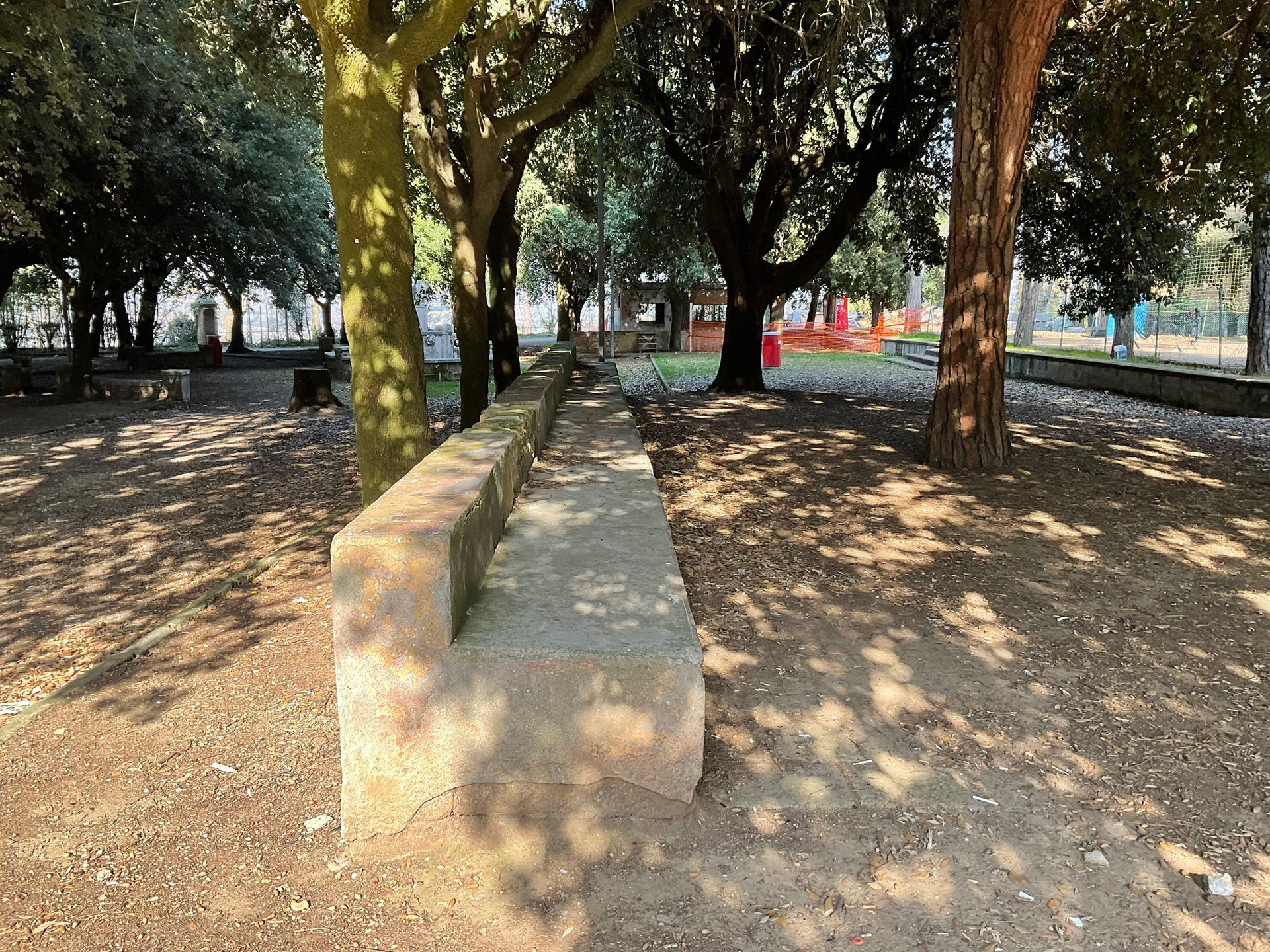
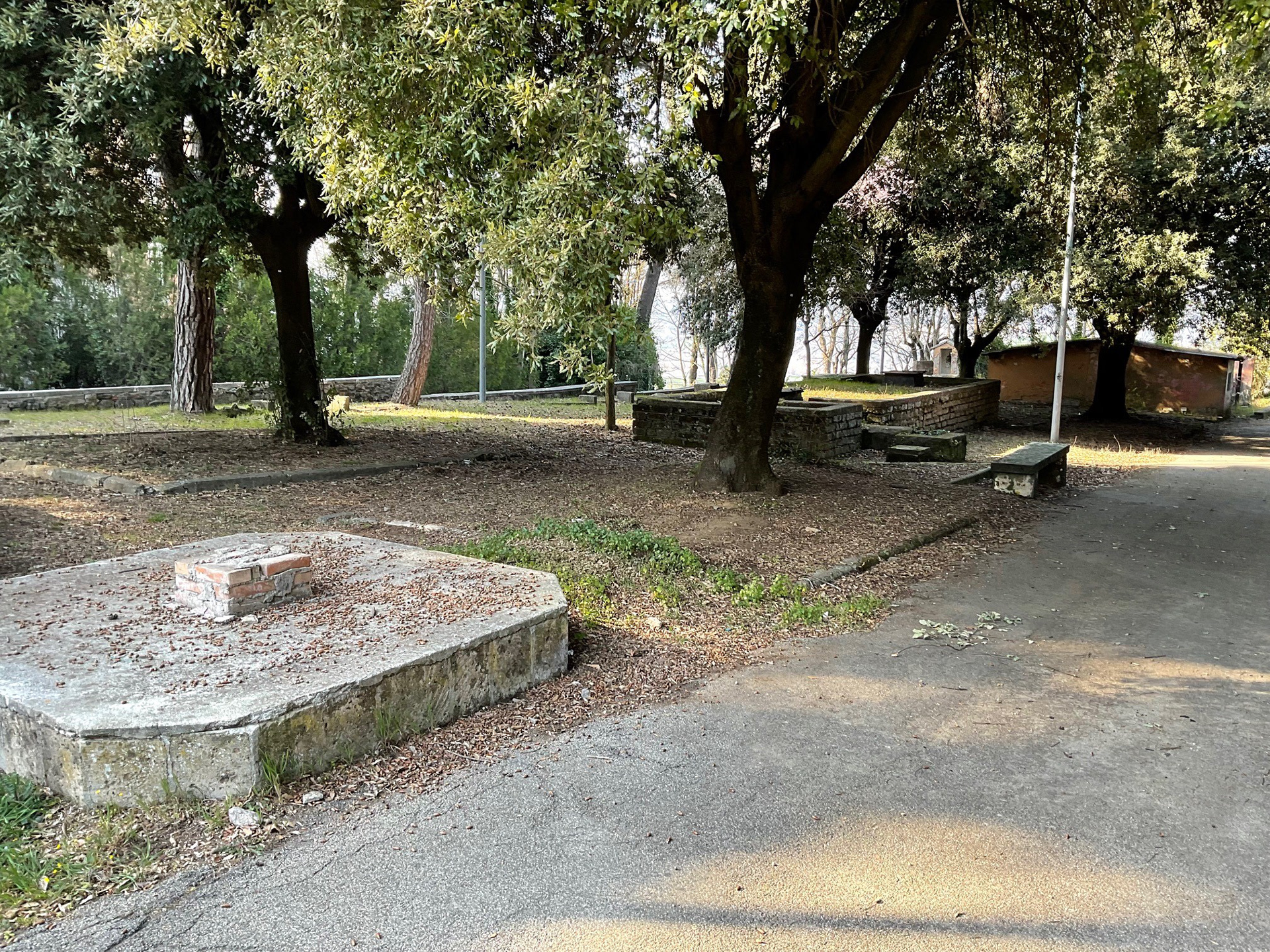
Images from Parco Dei Caduti (Park of the Fallen)
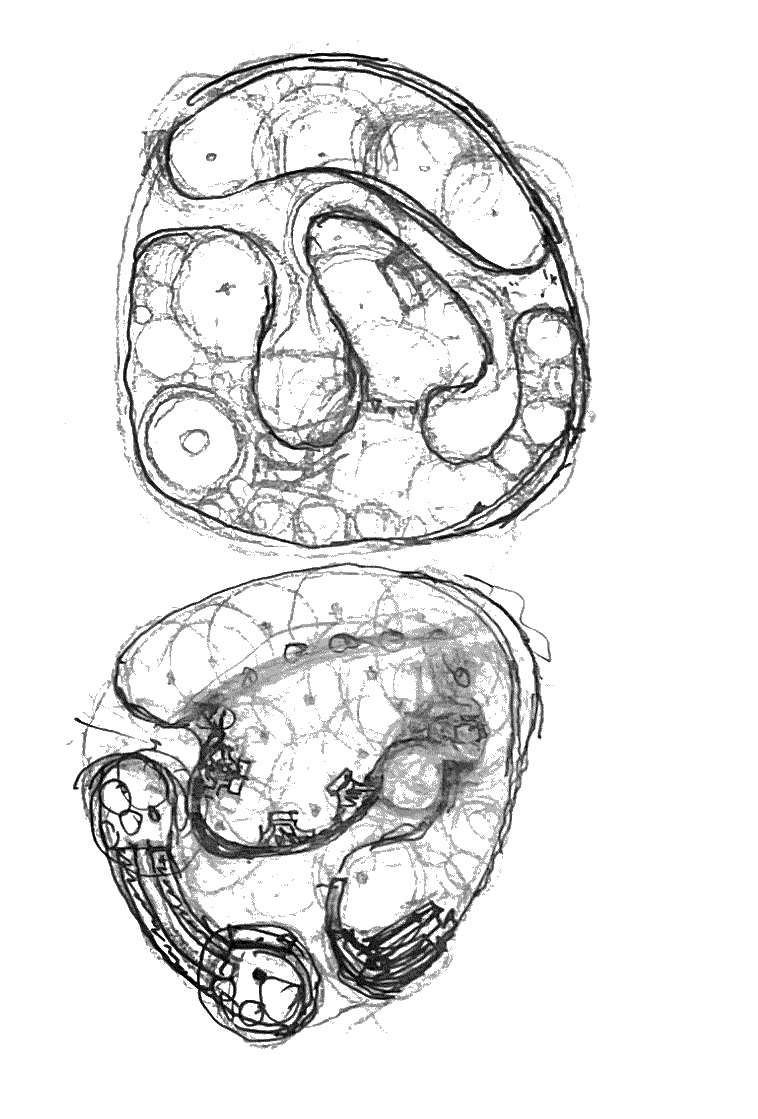
Our group actually focused on the forgotten Park of the Fallen which was the private park for military officers, with the goal to revitalize the entry and exit experience for all. We wanted to make sure the park could be used by everyone no matter if you were a tourist or local. As a group of 3 architecture students trying to design a landscape, we really relied on guidance from our studio professor Blake Belanger who is a landscape architecture professor. There was a large learning curve to understand how to design a park for Orvieto. There was a lot of trace paper used...
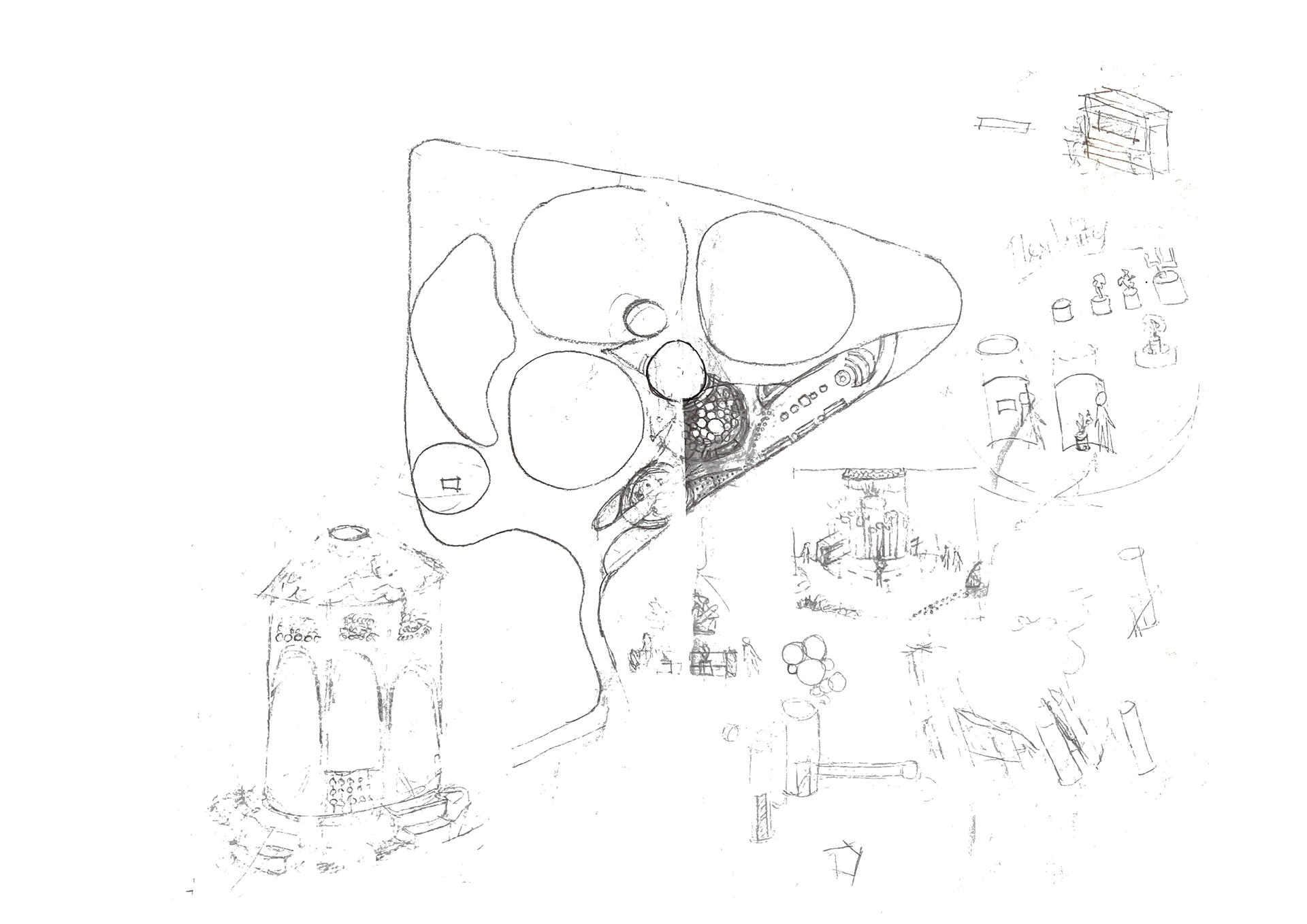
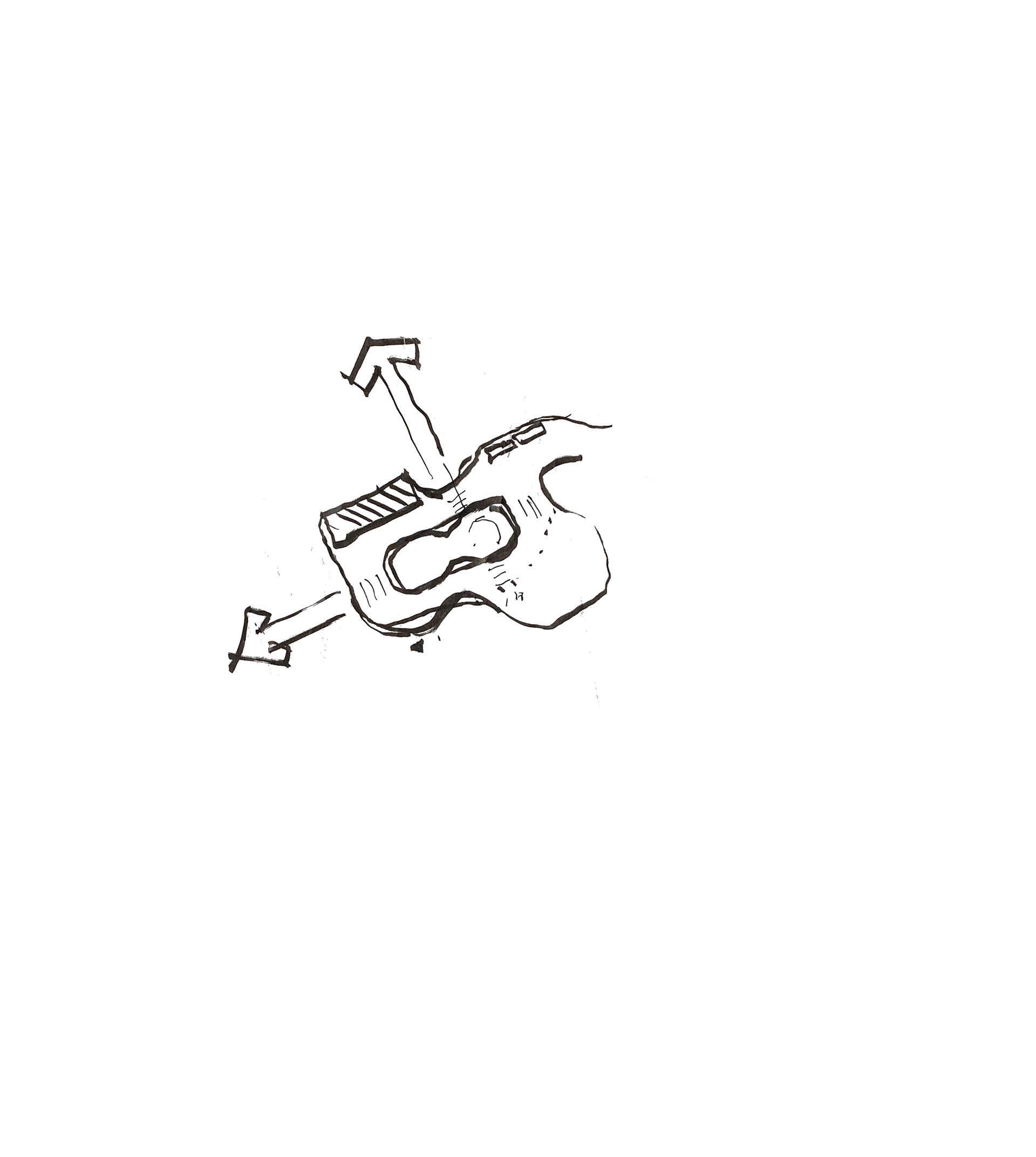
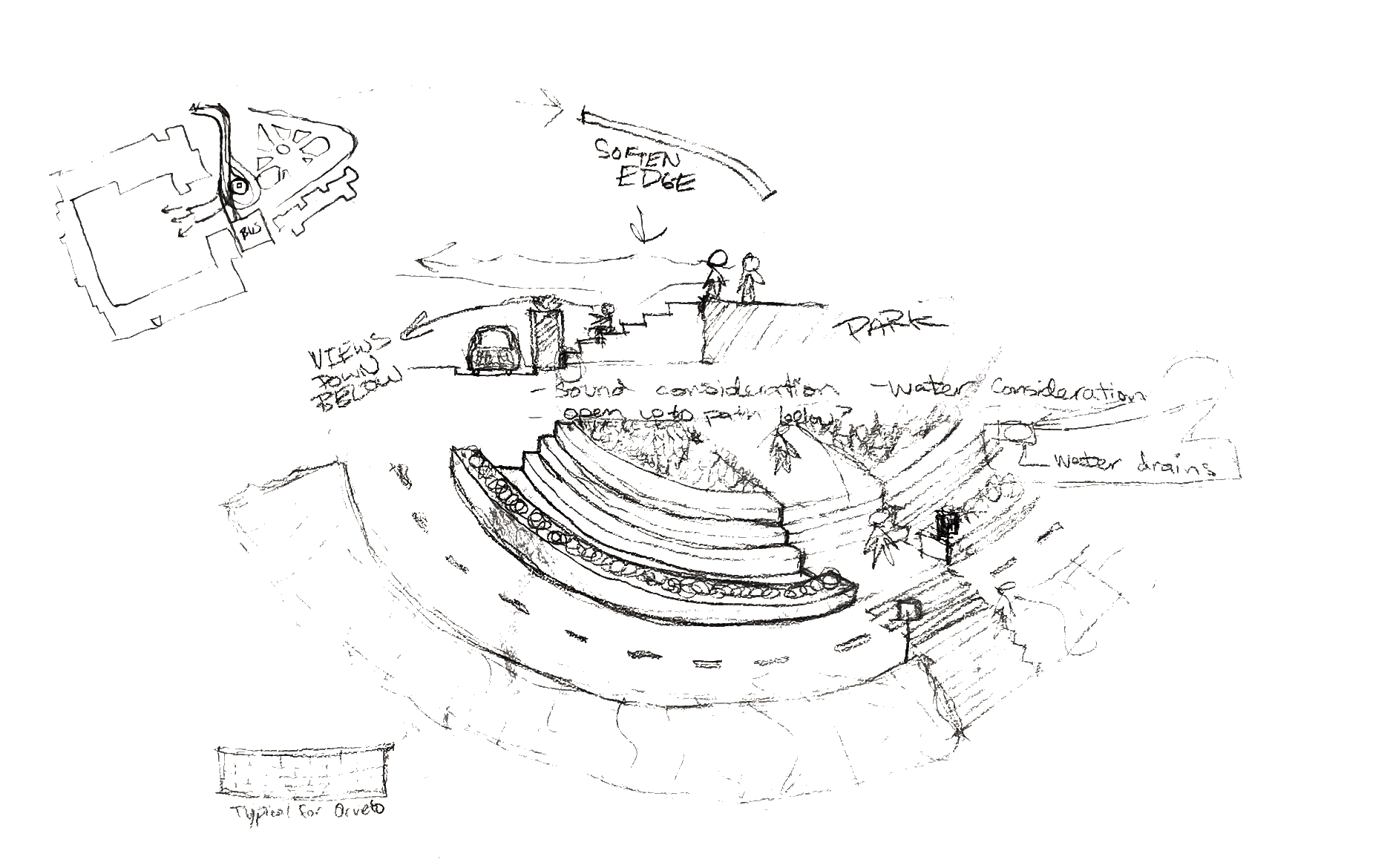
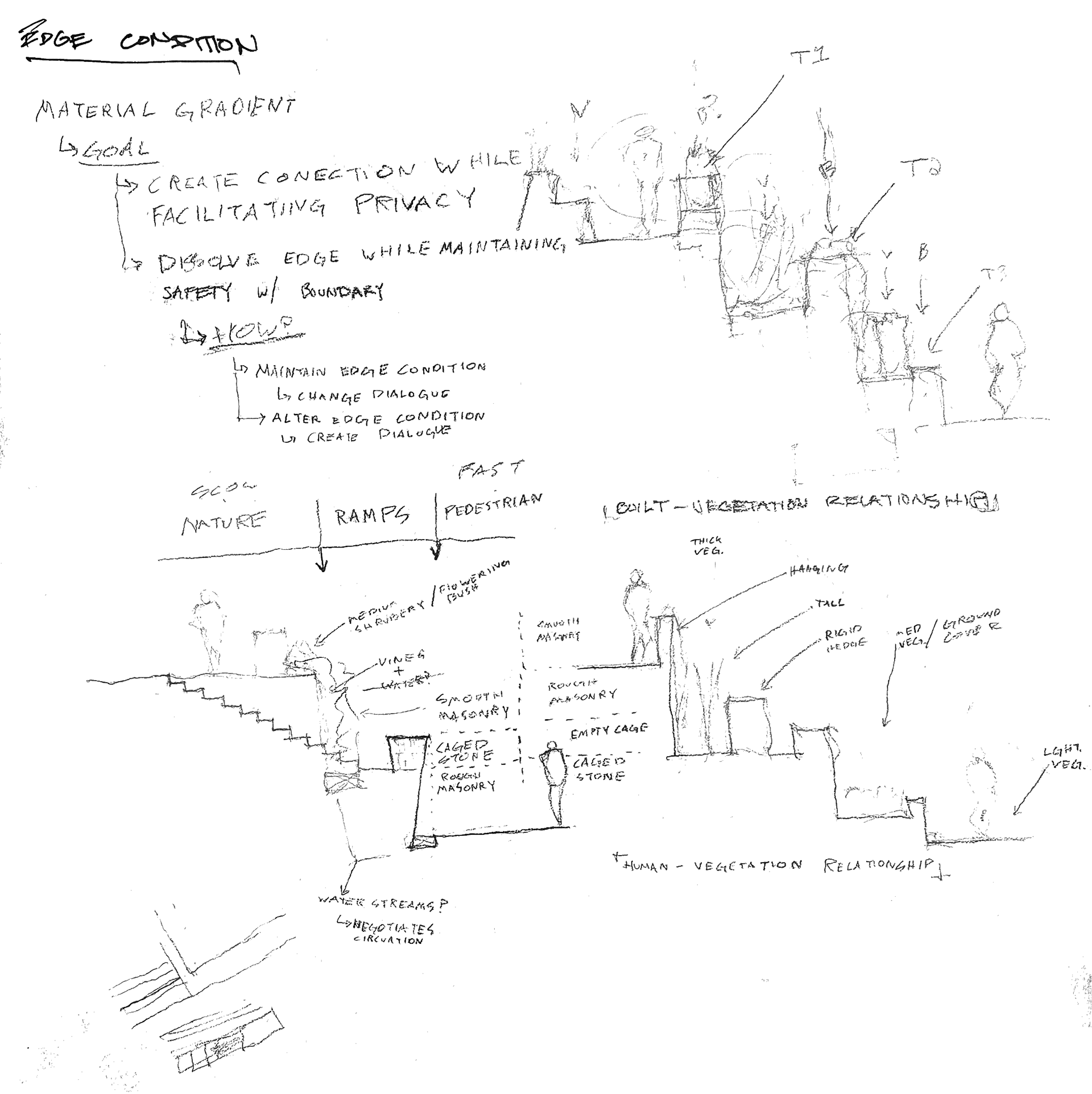
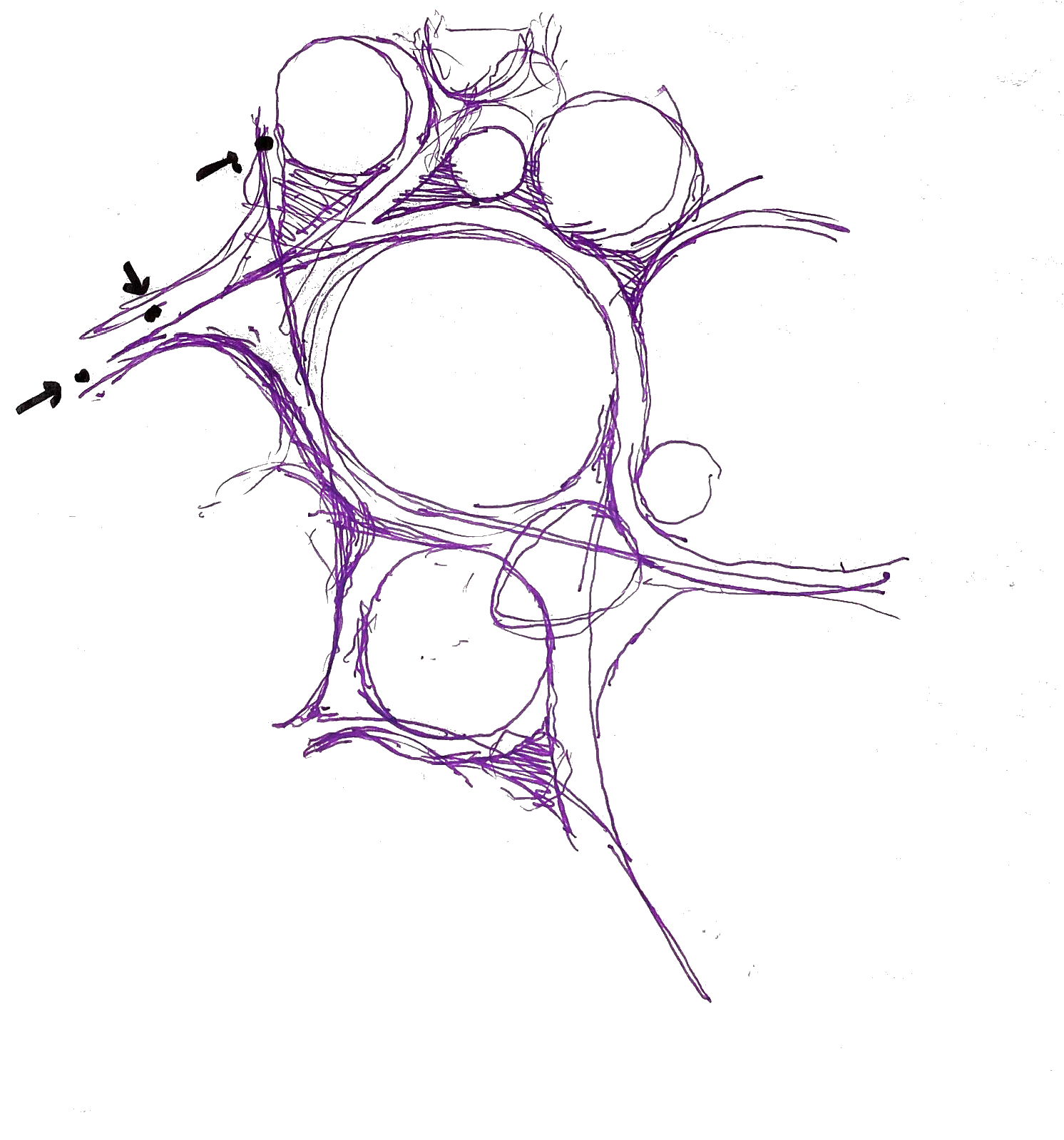
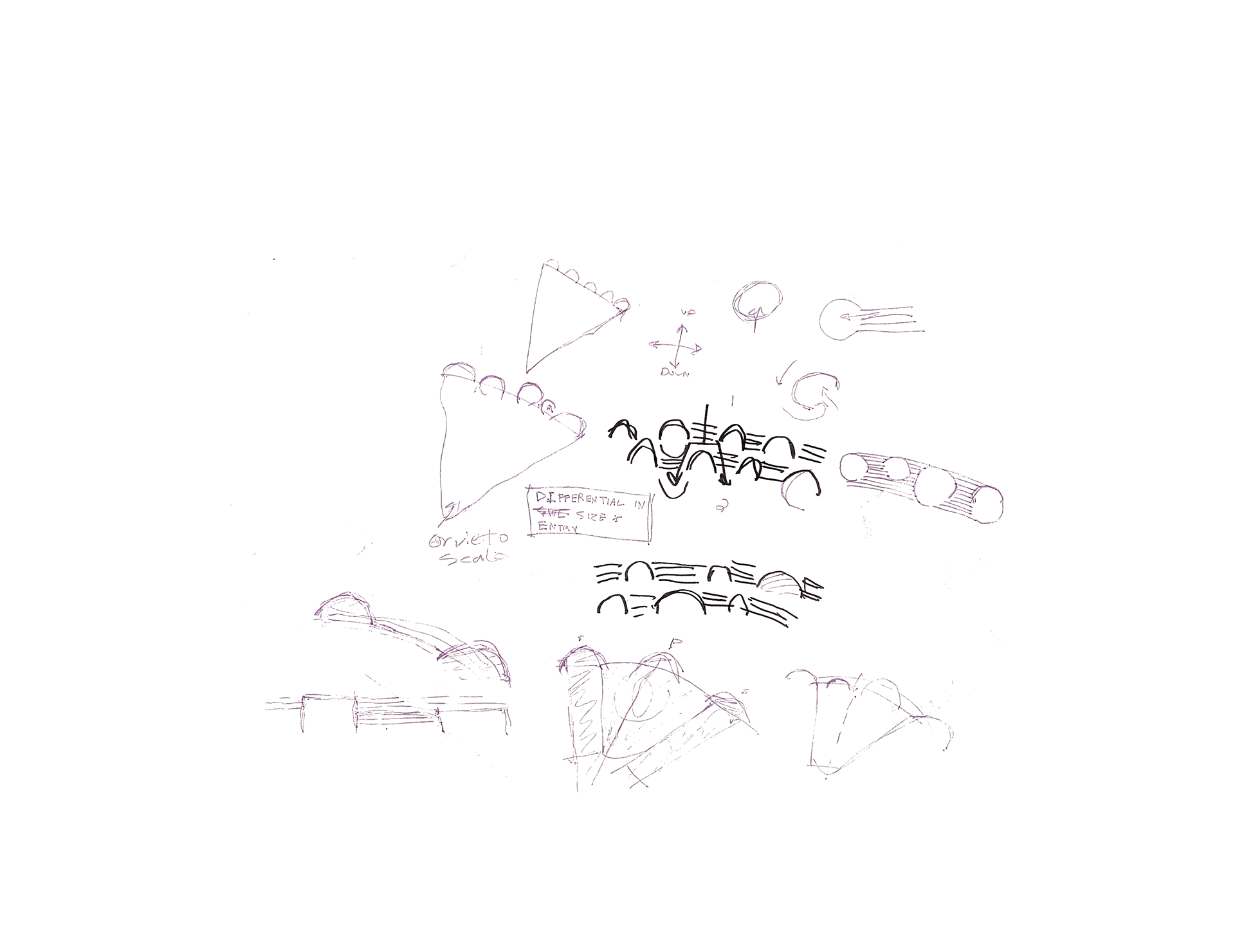
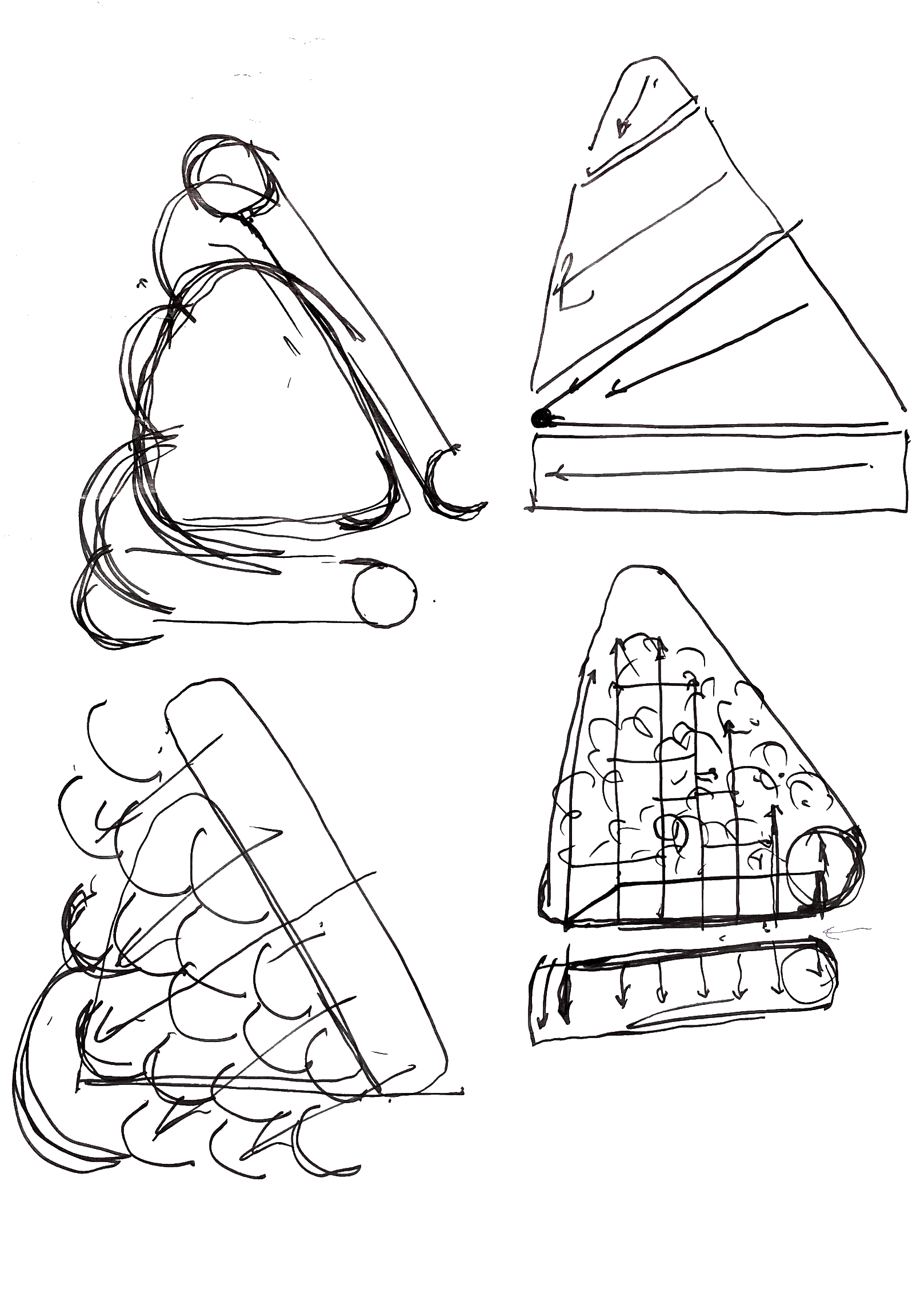
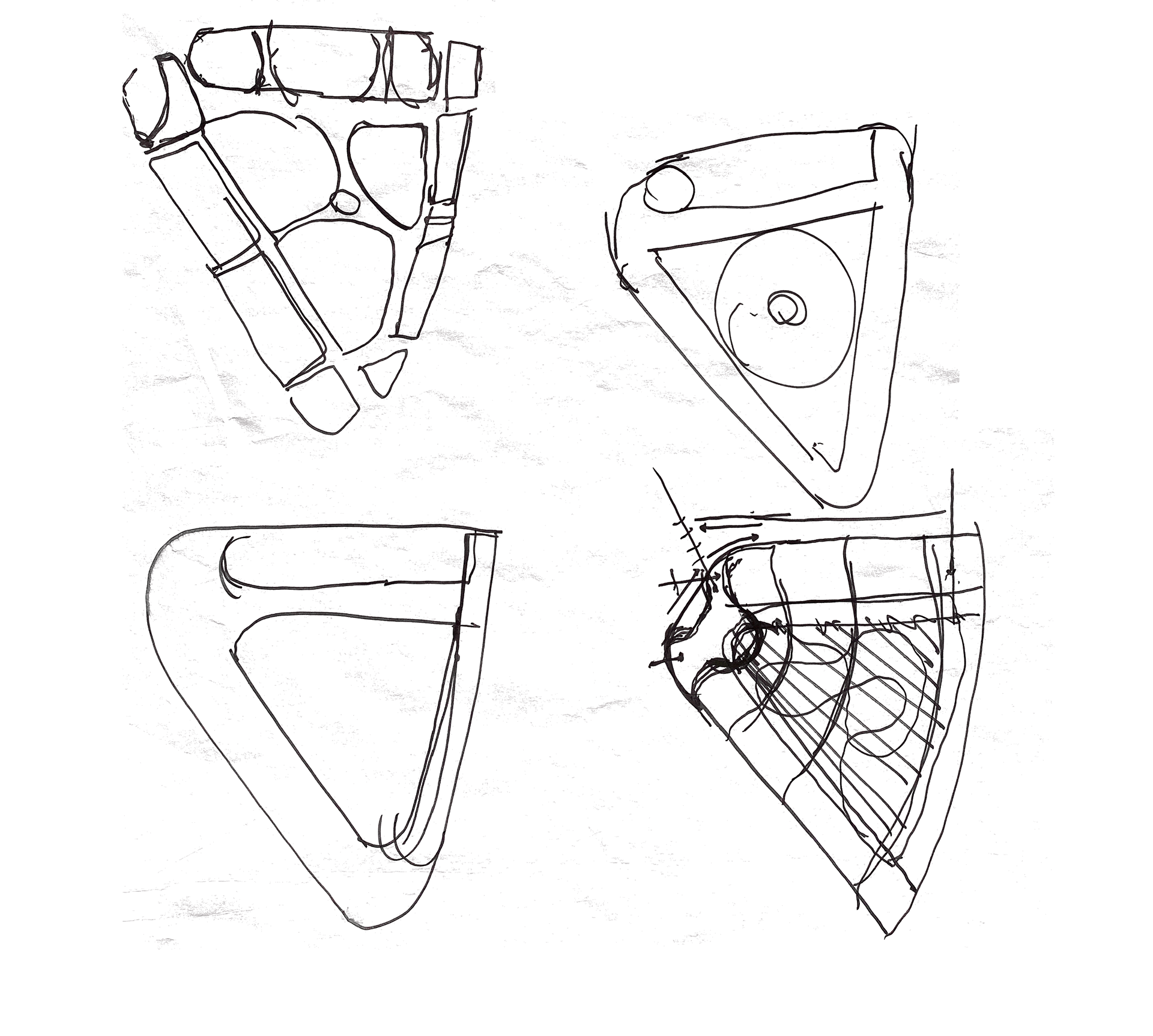
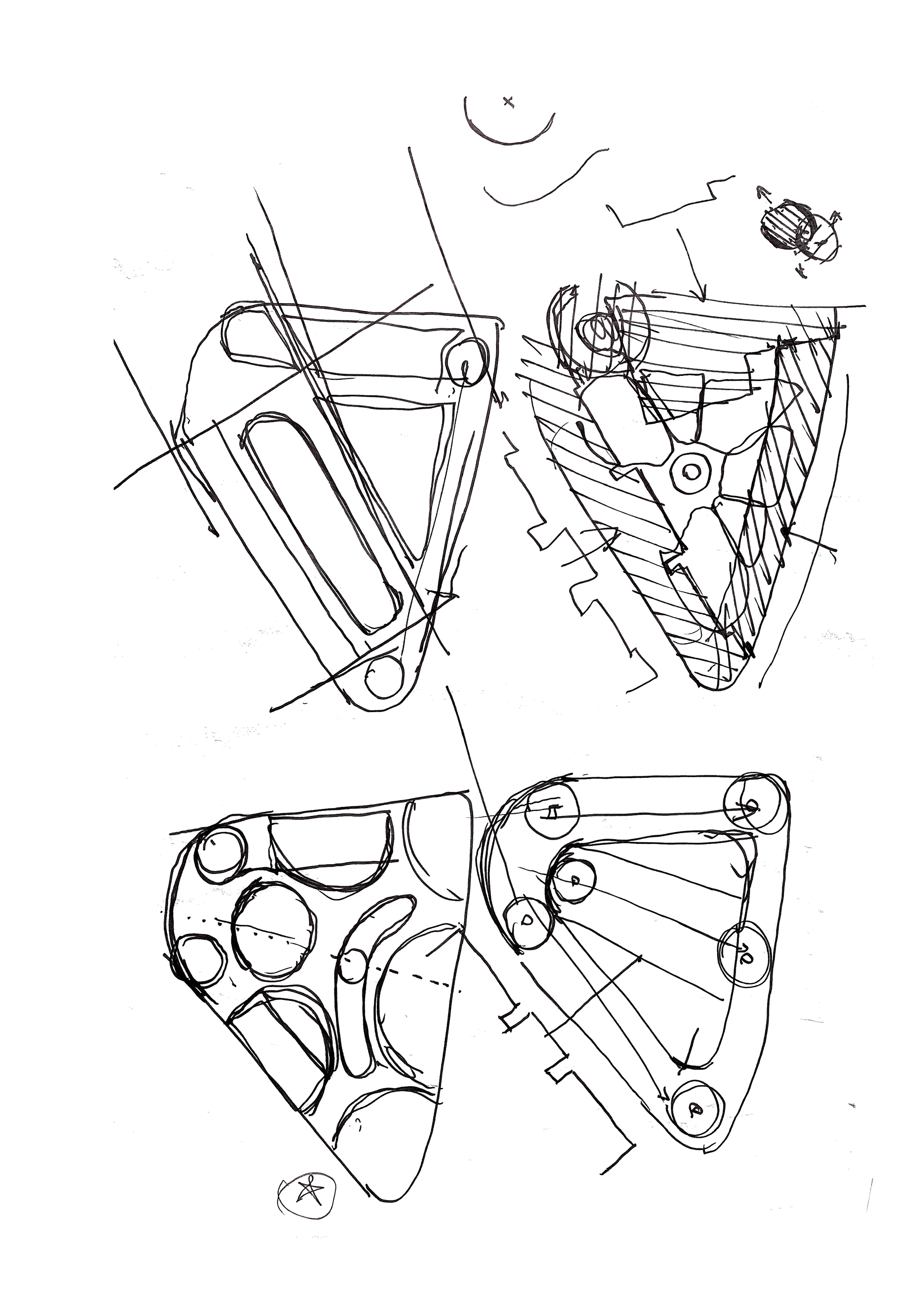
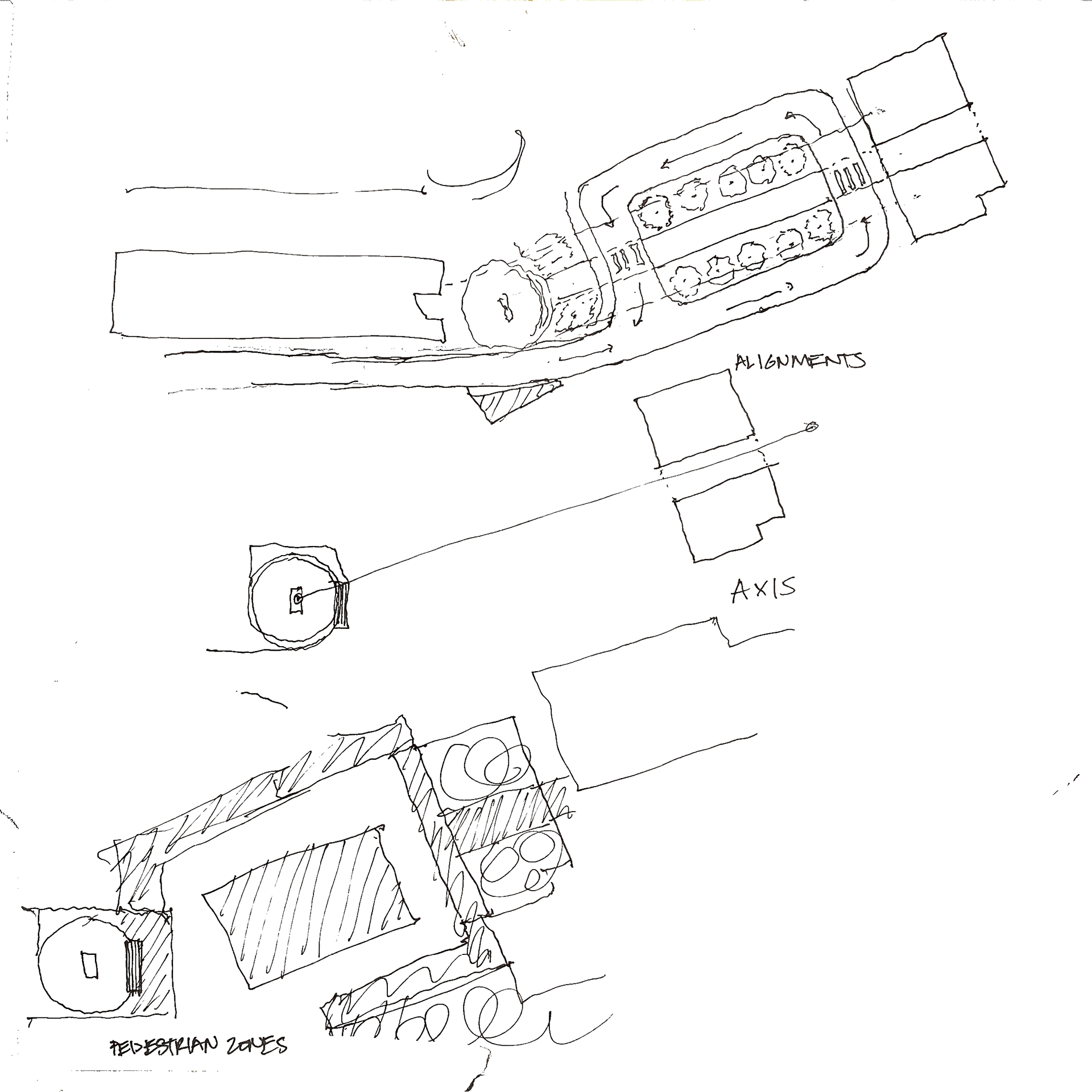
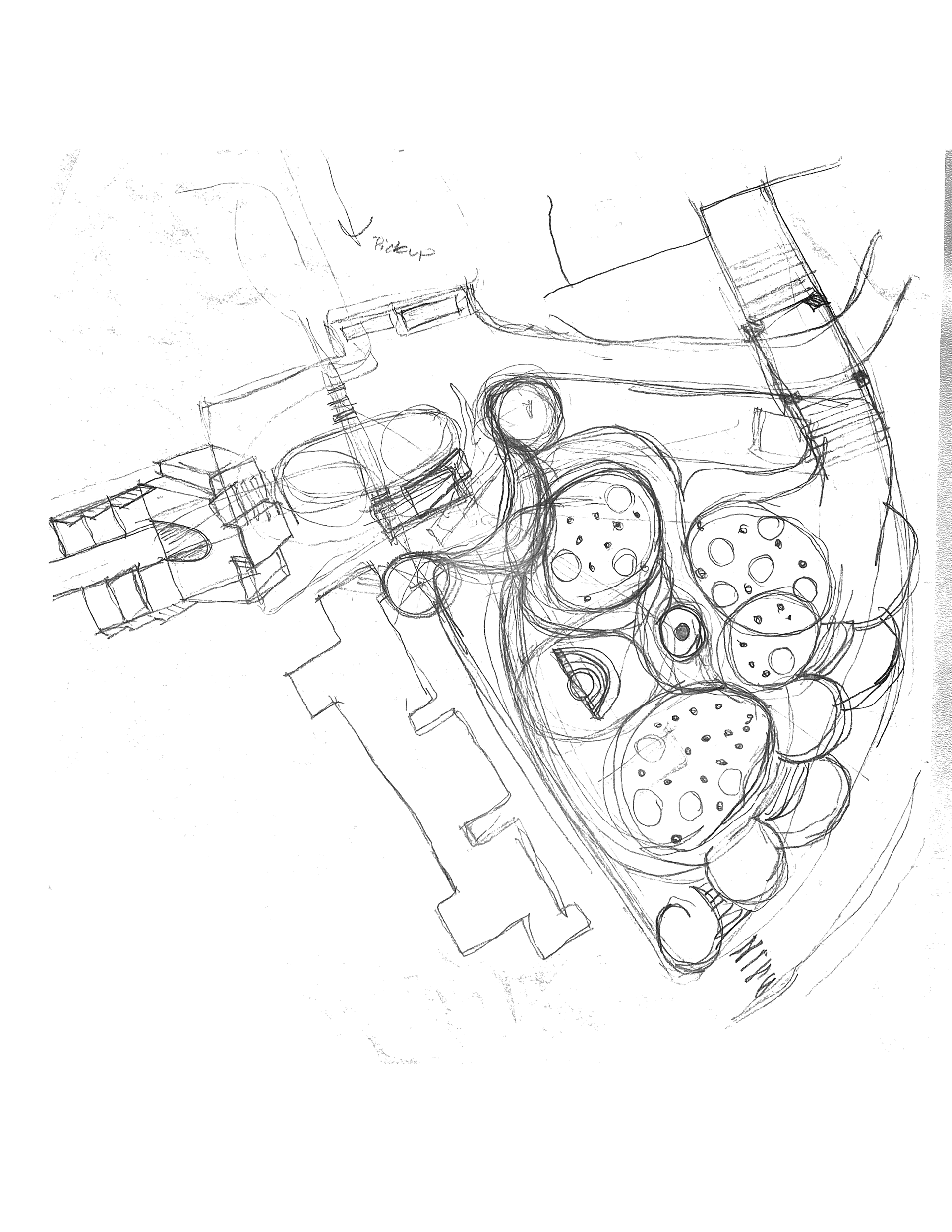
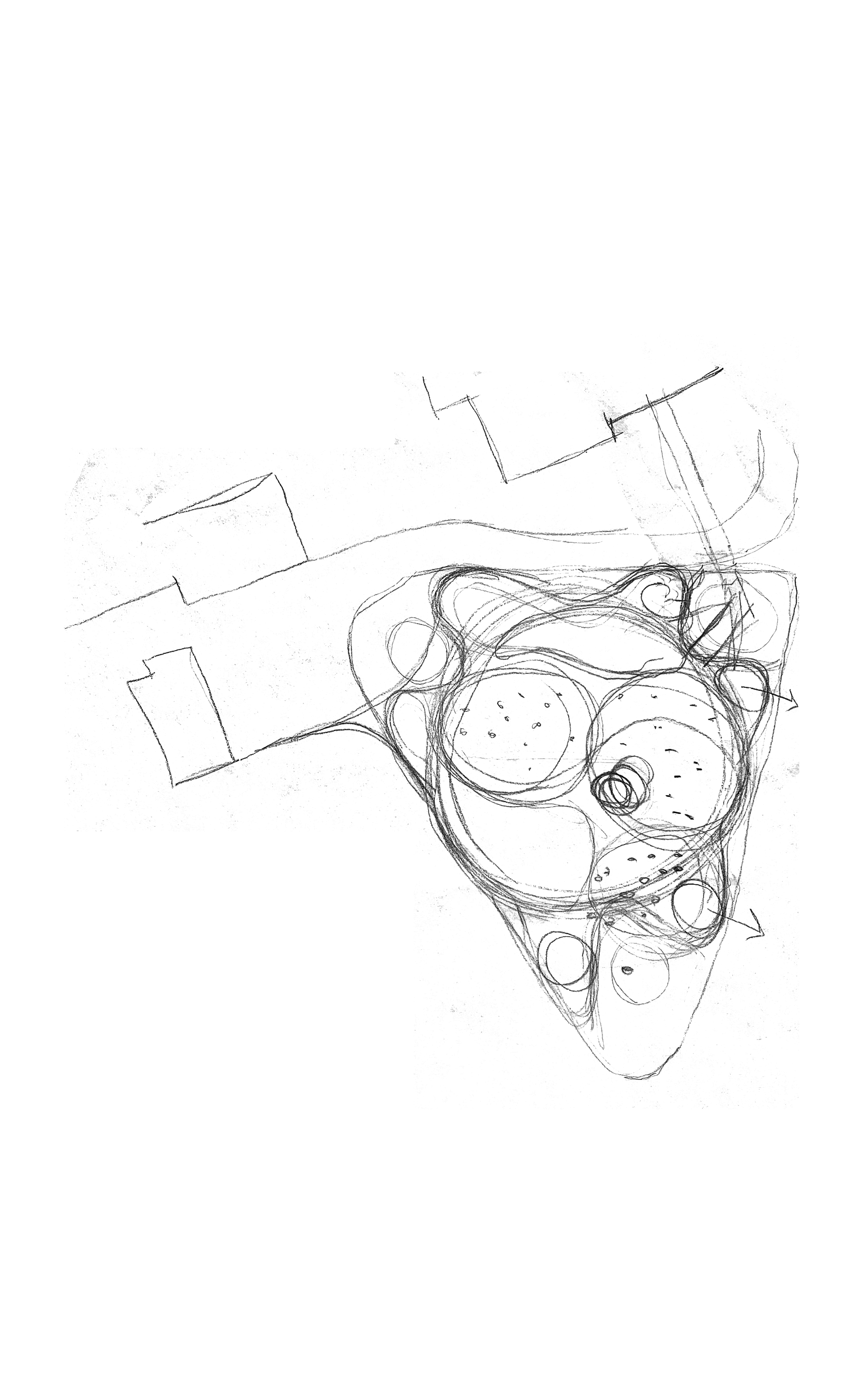
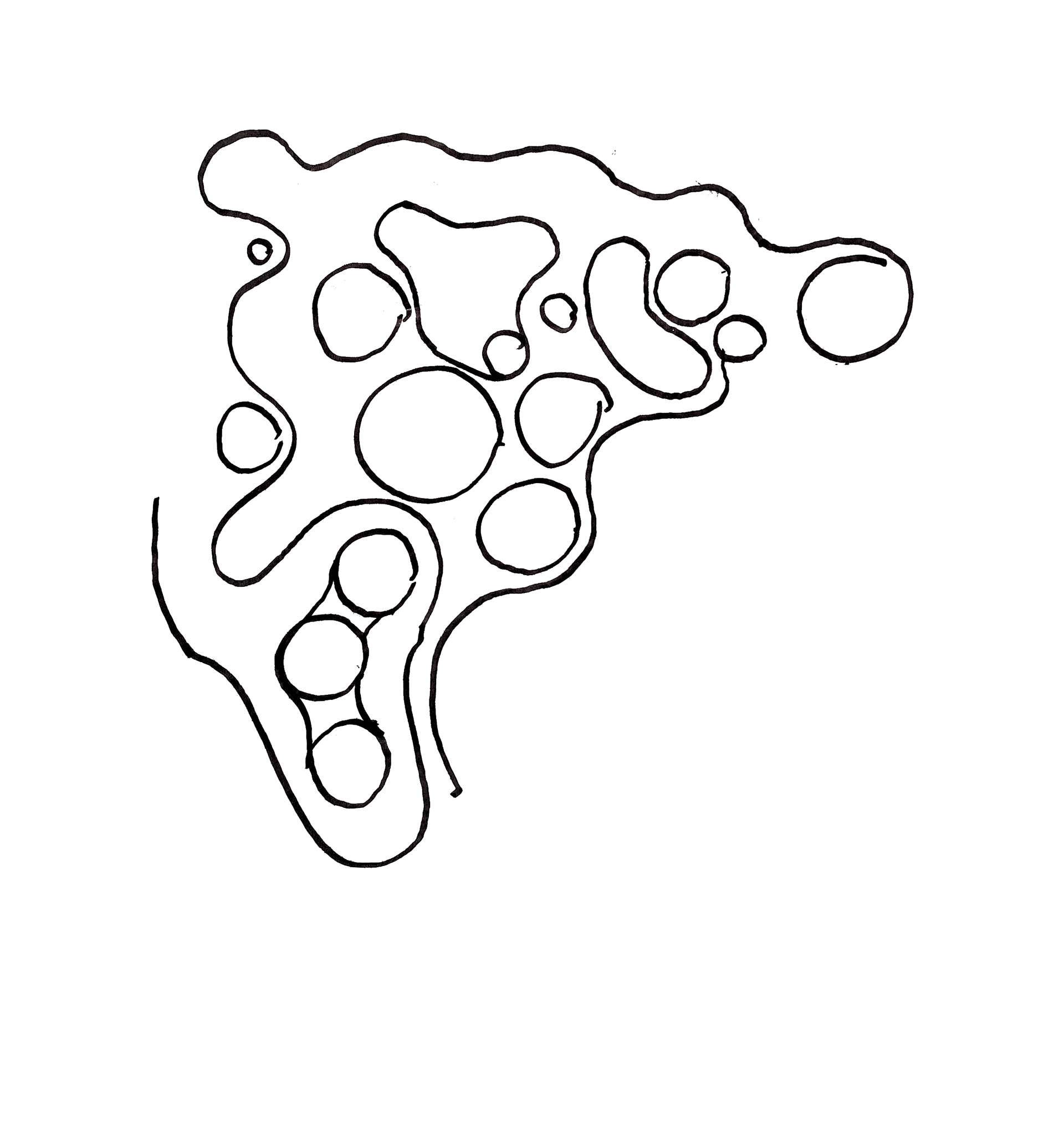
Process & Conceptual Development
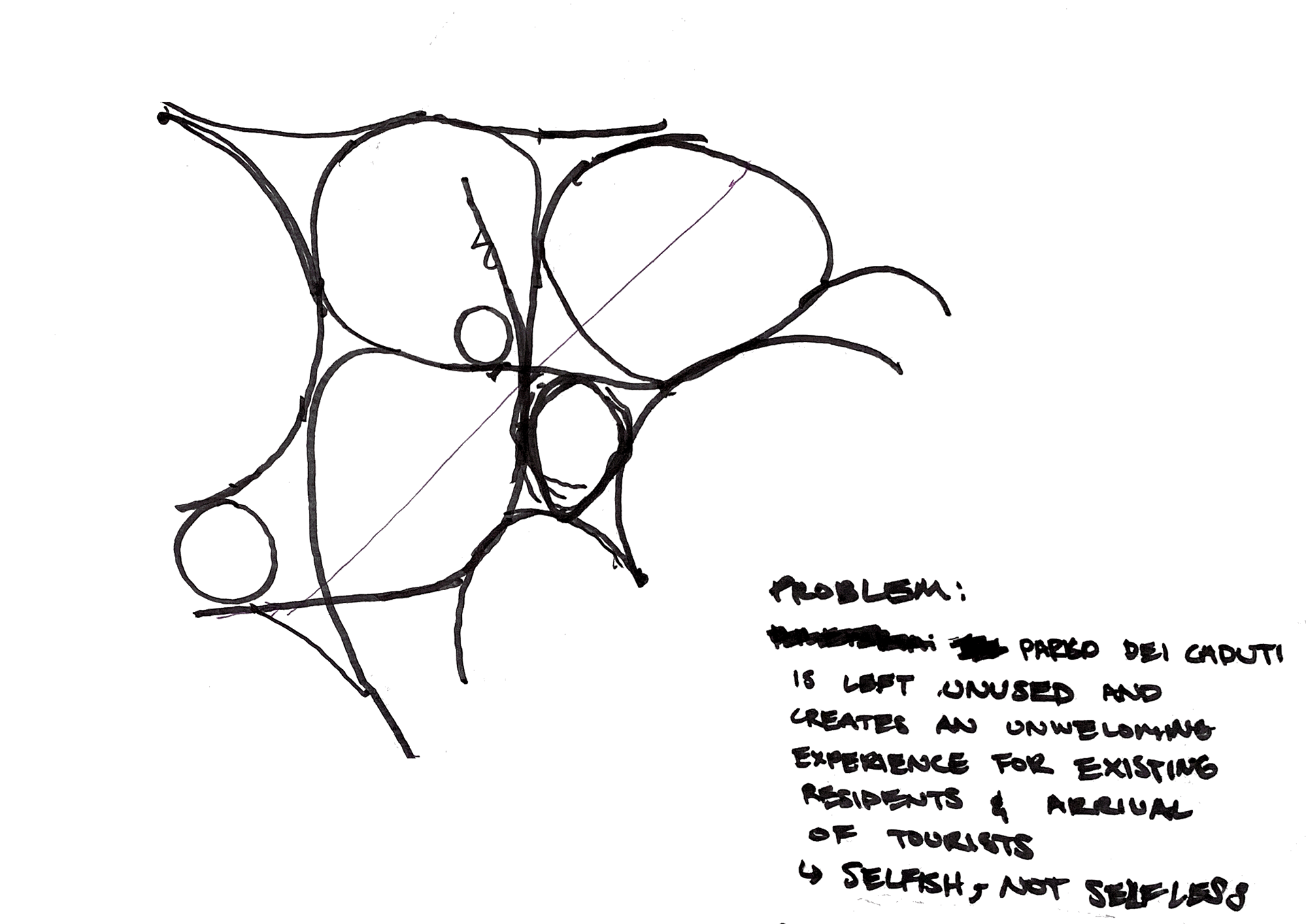
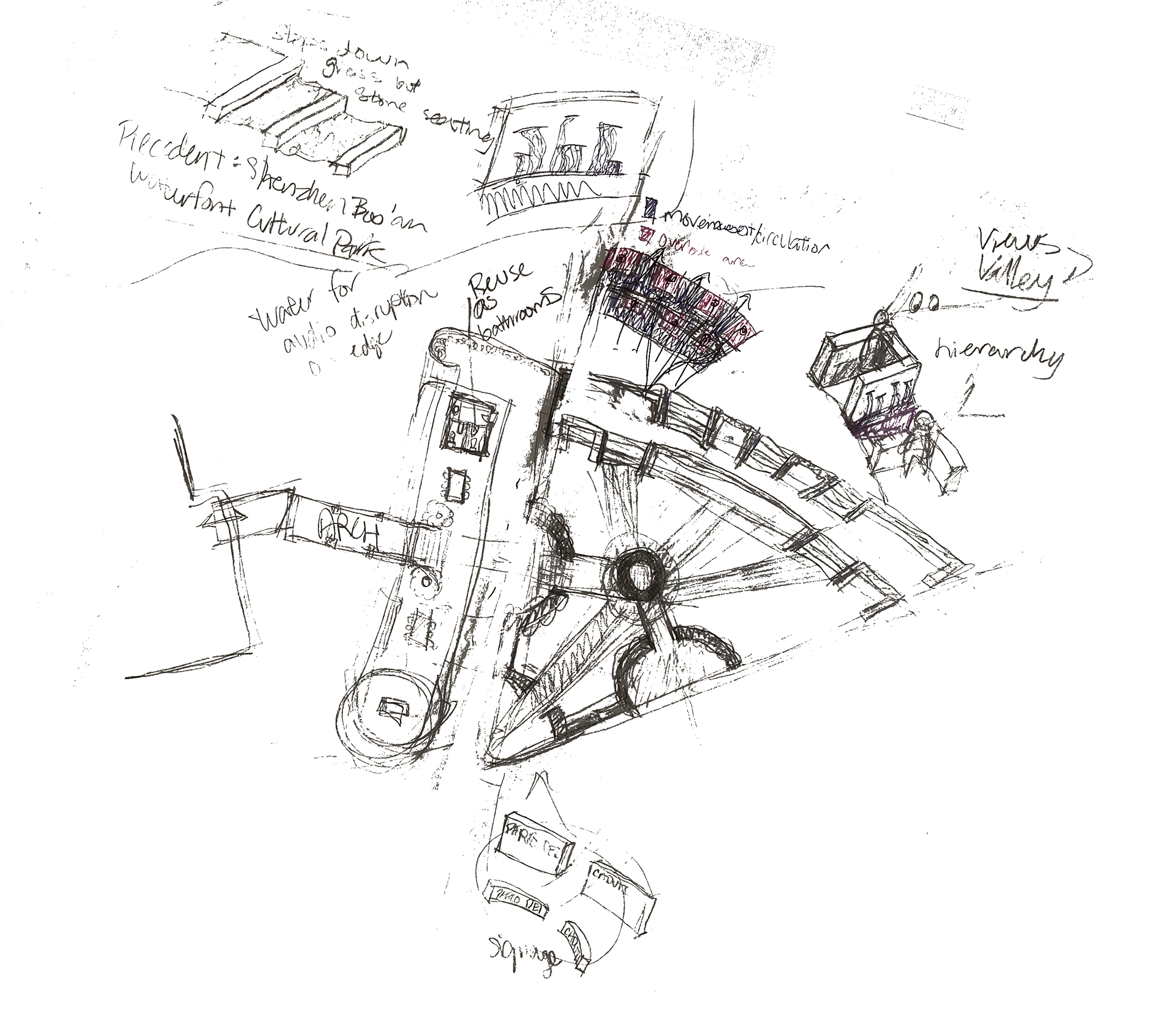
Some of the major things we saw the potential within the park were the edge condition overlooking the valley below, the central location connecting the Barracks and Piazza Cahen, as well as great mature trees. We referred to the park as cut-off and selfish because the lack of entry points and over-run vegetation made it feel like dead space. Creating spaces to invite people to the park was the major goal as we create a strong emphasis on the people and how they influence the overall experience of the Park. With the historical connection of the park and how it used to be used solely for the military elite, we wanted to convert the park and celebrate how it is inclusive and a park for everyone to enjoy. to accomplish this task we need to create a variety of spatial experiences, whether they need to be highly active, passive, or anything else. Spatial experience and spatial variety were supplementary for creating a successful scheme overall. We ended up using the existing tree locations as the foundation of the park's design.
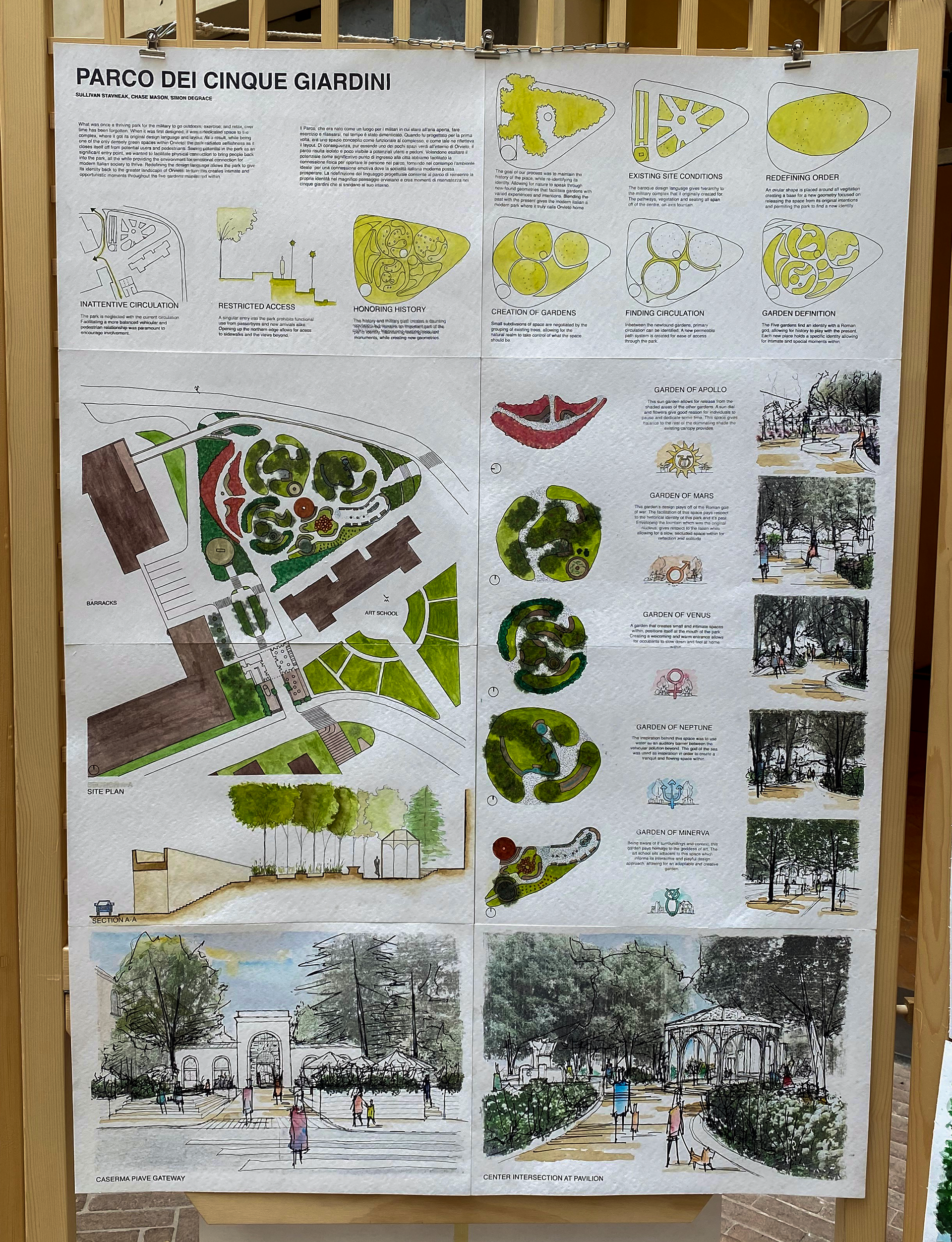
Final Board
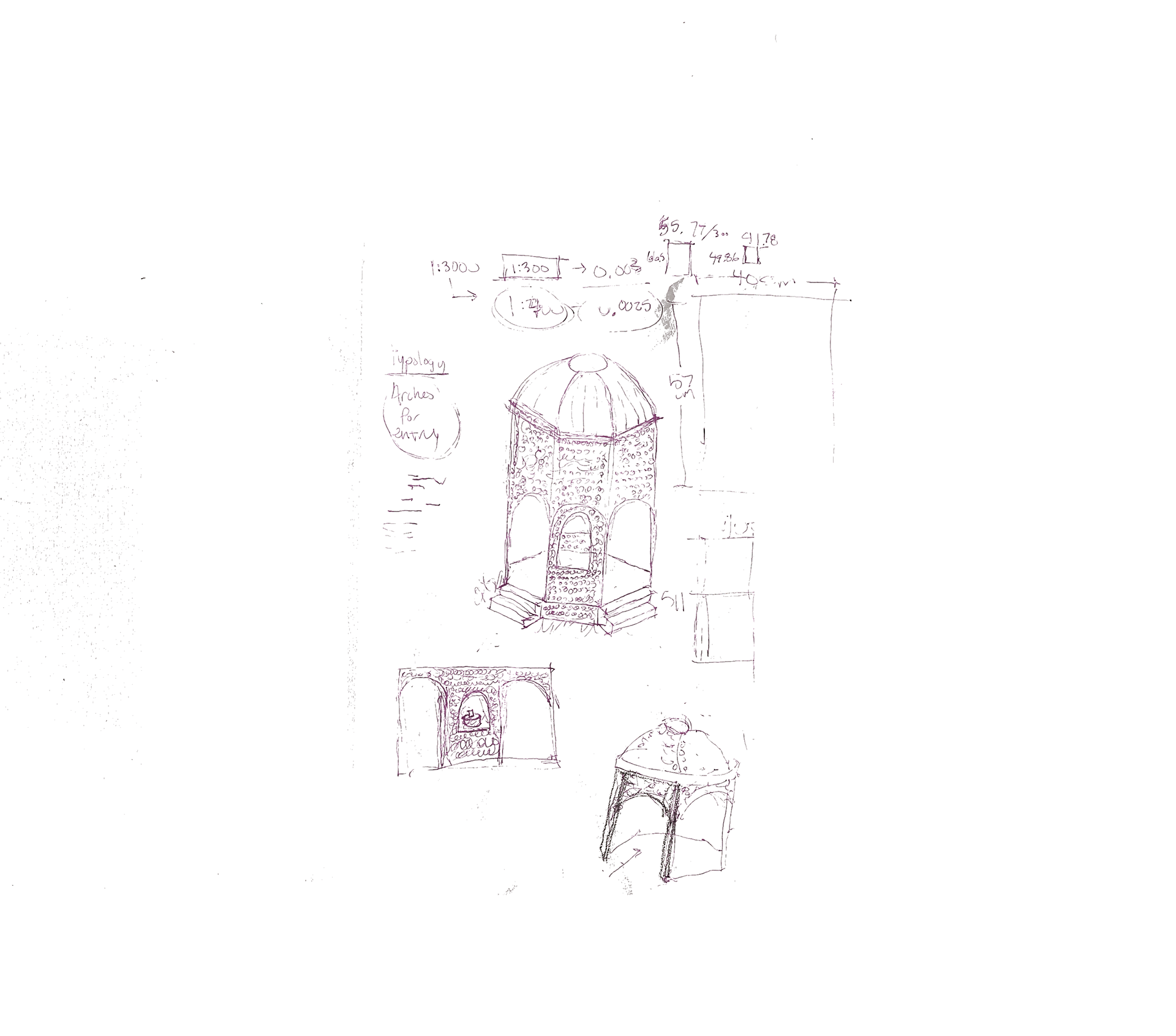
The final design was rooted in the existing tree locations, as we saw great potential in the mature trees on the site. We wanted to get away from the rigid connection to the former military officer residents around fascist times. We redefined the order with the existing trees and then created groupings of trees from that to create the primary spaces. These primary spaces helped create the negative space, which became the secondary spaces for the entry/exit sequences and circulation around the park. To honor the historical influence of the Etruscans and Romans in Orvieto, we ended up creating stylistic parks of Roman Gods and Goddesses that also relate to the overall experience of the primary space. This led to the creation of the Park of the 5 Gods (Apollo, Mars, Venus, Neptune, and Minerva), focused on the Gods or Goddesses. Connecting to the context surrounding the park. The Garden of Minerva focuses on the arts as it is adjacent to the Art School. Meanwhile, the military garden has a bridge connecting to the Barracks which was redesigned to include a military museum in another group's scheme. Overall, I think we successfully revitalized Orvieto's entry and exit experience while celebrating the history and context of the surrounding area.
Grazie Mille!